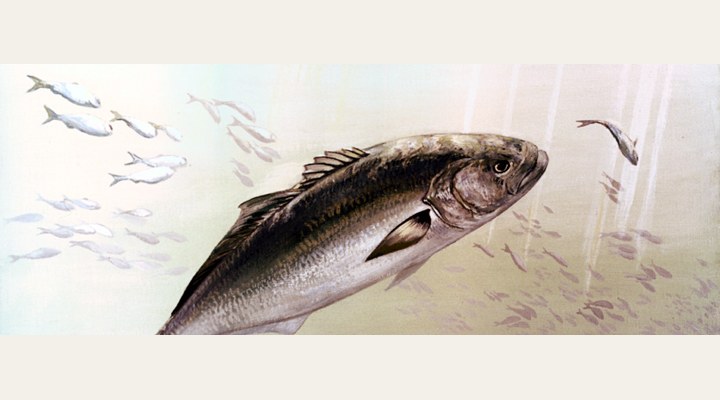
Tailor
Excellent
The main run. Fish the gutters and headlands into the evening; ganged pilchards, metals, and a wire-free trace only if you accept the bite-offs.
Updated Sat, 26 Sept 2026 from live weather and tide data
The biggest river on the east coast south of the tropics: from Grafton down to Yamba and Iluka, bream, flathead, jew, jack and bass across a hundred kilometres of tide.
Sources: Open-Meteo, solunar calculated for these coordinates.
Clarence River rewards patience today, with cool water and short feeding windows. Today brings clear skies, wind NNW around 8 km/h, rising pressure near 1026 hPa and a high of 26 °C. Water sits around 18 °C for the season (estimated). With the full moon, the solunar majors run 11:16 PM-1:16 AM and 11:16 AM-1:16 PM: the windows to build the day around.
The main run. Fish the gutters and headlands into the evening; ganged pilchards, metals, and a wire-free trace only if you accept the bite-offs.
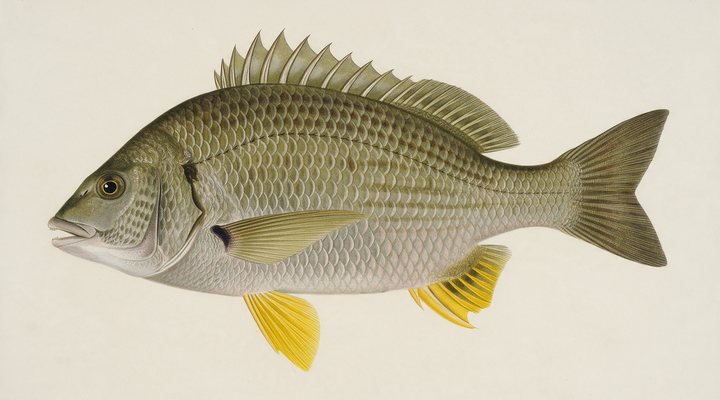
Slow the retrieve right down: blades and lightly weighted plastics along the deeper rock walls and drop-offs, or unweighted bait drifted into the snags.
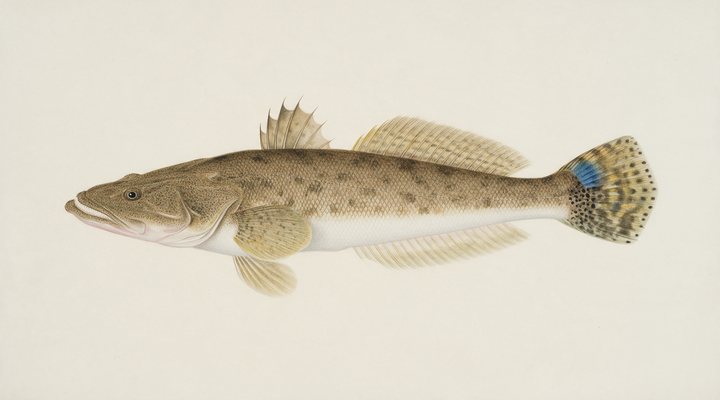
Fish the deeper channels and the last of the run-out; slower hops with a heavier jighead, and a bait on the bottom as back-up.
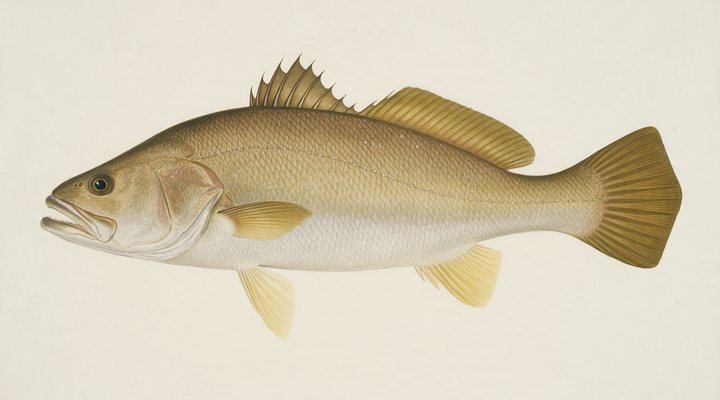
The estuary fish move to the deeper reaches. Long, quiet sessions on the bottom with fresh bait across the top of the tide.
Tie on: Blade or vibe, slow hops · Lightly weighted plastic · Whole pilchard or squid on the bottom · Suspending hardbody. Prime windows: 11:16 PM-1:16 AM, 11:16 AM-1:16 PM, 5:46 AM-6:46 AM. Similar at 26 °C with likely rain: fish ahead of the front. The solunar majors shift about 50 minutes later.
New South Wales requires a fishing licence for most fishing, from A$7.00. New South Wales fishing licence: cost, rules and where to buy →
Chasing bream here? Check the size and bag limits with DPIRD NSW before you keep anything; the Bream page has the seasons and the tactics.
Hour-by-hour bite forecast for today from sunrise (05:34), sunset (17:47), the moon and today's score. Tap a bar to see why.
Solunar majors 11:16 PM-1:16 AM and 11:16 AM-1:16 PM; minor 5:46 AM-6:46 AM. Full Moon, 100% lit.
Conditions here are modelled from weather, season and the nearest stations.
Water readings appear when a Bureau of Meteorology station covers it. Until then the seasonal curve below is the estimate.
Latest readings
The best day on Clarence River this week looks like Sunday 27 Sept, at 3 out of 5, against 2 today. Every day is scored by the same engine as the report above: pressure trend first, then wind, sky and season. Pick a species and the plan for that day changes with it.
Best day this week: Sunday, 27 Sept — fair at 3/5, steady pressure, neither help nor hindrance.
Conditions favor short windows and patient fishing.
Scores are a planning aid built from forecast data, not a promise.
The species that matter on Clarence River: seasons written for the southern year, and how to fish each one. Today's ratings live in the report above.
Yellowfin bream on the east coast, black bream in the southern estuaries. Structure fish: rock walls, jetty piles, oyster racks, snags and pontoons. Slow the retrieve right down: blades and lightly weighted plastics along the deeper rock walls and drop-offs, or unweighted bait drifted into the snags.
Dusky flathead in the eastern estuaries, sand flathead in the southern bays. An ambush predator lying on sand and mud edges waiting for whatever the tide brings. Fish the deeper channels and the last of the run-out; slower hops with a heavier jighead, and a bait on the bottom as back-up.
Jewfish. The big silver prize of the estuaries, breakwalls and surf beaches: nocturnal, tide-driven and unforgiving of noise. The estuary fish move to the deeper reaches. Long, quiet sessions on the bottom with fresh bait across the top of the tide.
The surf and rock fish of the east coast, running north in autumn and winter. Fast, toothy and best at dawn, dusk and into the dark. The main run. Fish the gutters and headlands into the evening; ganged pilchards, metals, and a wire-free trace only if you accept the bite-offs.
Activity by species and month for the southern year, and how the water warms and cools. Tap any cell.
1 = slow, 5 = peak. Current month highlighted. January is midsummer here.
Typical surface temperature for this water type in degrees Celsius; today is around 18 °C (estimated, not a reading).
Real reports from real anglers, reviewed before publishing. Nothing here is copied from a shop or a charter. The water log below tracks each day automatically.
3/5 Fair. Fish the windows. A steady pattern: dawn and dusk carry the day. Tailor led the card at excellent. High of 24 °C, wind to 10 km/h.
3/5 Fair. Fish the windows. A steady pattern: dawn and dusk carry the day. Tailor led the card at excellent. High of 24 °C, wind to 10 km/h.
3/5 Fair. Fish the windows. A steady pattern: dawn and dusk carry the day. Tailor led the card at excellent. High of 23 °C, wind to 6 km/h.
NSW Recreational Fishing Fee, from A$7.00, the same for residents and visitors. Details and where to buy →
Size and bag limits, closed seasons and marine park zones are set by DPIRD NSW and change: confirm the current rules on the agency page linked from the New South Wales licence page before you keep anything.
The NSW Recreational Fishing Fee applies on the river, from A$7 for three days; our New South Wales licence page has the fees.
Clarence River is a river in New South Wales, Australia, covered from the New South Wales reports and listed in all Australia waters.
The Clarence River drains the Northern Tablelands and the Border Ranges and runs through Grafton, Maclean and the delta islands to the sea between Yamba and Iluka, tidal for a hundred kilometres up past Grafton, a river of rock walls, oyster leases, sand flats, deep bends and islands near the coast and of snags, cane fields and long reaches upstream. Yamba, at the mouth, has its own page for the breakwalls and the beaches; this one is scored for the river and reads its reaches first. It is the largest coastal river in New South Wales and it floods, which decides its fishing more than anything else.
Bream fish the walls, the leases and the snags all year with the winter run to the mouth; flathead lie on the flats and the drop-offs of the lower river and the delta from spring to autumn; whiting work the flats in summer; and mangrove jack push into the snags of the middle river through the warm months. Mulloway are the night fish of the walls, the deep bends and the mouth, best after rain; luderick fish the walls in winter; bass hold in the fresh reaches above Grafton and the tributaries with the NSW river closed season for bass to check; and the river’s prawns run on the dark nights of summer under the DPIRD rules.
The river runs on the tide far upstream and the tide panel, a modelled curve for these coordinates labelled as a model, is for the direction of the run, strong at the mouth and slight at Grafton; the Bureau of Meteorology has the coastal times. Rain matters more than anything, because a fresh colours the river for days and a flood changes it for weeks and pushes the fish to the mouth. The wind matters on the open reaches near the coast. Pressure and sky build the score and the planner shows the day.
The NSW Recreational Fishing Fee applies on the river, from A$7 for three days; our New South Wales licence page has the fees. The river parks at Grafton, Maclean and the delta towns, the reserves and the breakwalls are public, with ramps at Yamba, Iluka, Maclean, Harwood, Ulmarra and Grafton; the DPIRD limits, the bass closed season and the prawning rules are on the pages in the sources.
Bream and flathead, whiting in summer, mangrove jack in the warm months, luderick on the walls in winter, mulloway at night, bass in the fresh reaches and prawns on the dark summer nights.
Yes. The NSW Recreational Fishing Fee applies, from A$7 for three days.
Check the daily report at the top of this page: it is regenerated every morning from live data. Today's read: Slow. Work for them. Conditions favor short windows and patient fishing.
 Pablo Ruiz Quintero
Readings refresh on a 30-minute window. The full method, with every figure and its source, is on How our reports are made. Something wrong here? Tell us and it goes in the log with the date.