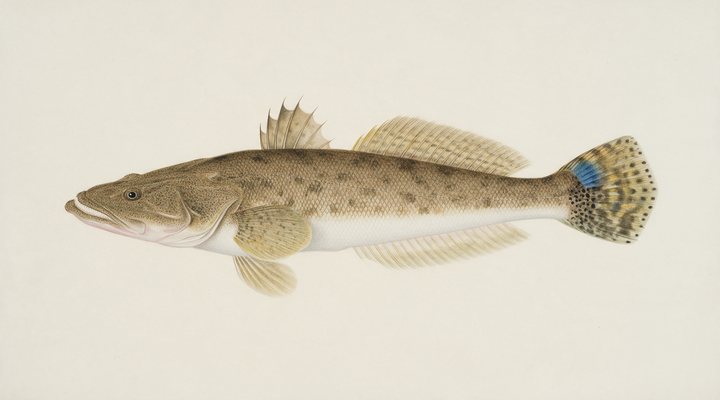
Identification and biology
The flathead of the estuaries and the beaches is the dusky flathead on the east coast, the largest of the family, and a mix of sand, southern blue-spot, rock and tiger flathead elsewhere and offshore; all share the flat, wide head, the eyes on top, the mottled back that vanishes against sand and mud, and the sharp spines on the gill covers that every angler learns about once. Flathead are ambush predators that lie buried to the eyes in sand or mud and launch at whatever passes: prawns, small fish, worms. Dusky flathead grow big, and the big ones are almost all females, which is why New South Wales and other states apply a slot limit that protects the largest fish; the agency page linked from each water has the current figures.
Where they live through the year
From spring to autumn they are on the flats, the drop-offs and the channel edges of every estuary and coastal lake on the east coast, and along the surf beaches where the gutters meet the sand, moving with the tide: up onto the flats on the rise, down to the edges and the holes on the fall. In winter they are in the deeper holes and slower; the flats fish on the warm afternoons. The sand flathead of the southern bays and Tasmania are the year-round fish of the drift, over sand in five to twenty metres, and the tiger flathead are the offshore trawl-ground fish of the boats.
The mistakes that cost fish
Casting to where the water is rather than to where it is draining: flathead lie at the edge of the flat where the falling tide funnels the bait, and a lure worked along that edge, not across the middle of the flat, is the whole trick. Working the lure too fast and too high; a paddle tail or a prawn imitation hopped on the bottom with a pause is what the fish see. And handling a big female for a photograph longer than the slot limit intends: the biggest fish are the breeders and most states want them back in the water quickly.
Reading the report for flathead
The tide panel gives the falling tide that drains the flats, which is the flathead session on most estuaries; the water temperature estimate on each page places the water in the band that decides whether they are on the flats or in the holes. Wind matters little inside an estuary and a lot on the beaches. The species card rates the month; the calendar shows the warm half of the year is the flathead half.
Tackle setups
| Situation | Setup | Why it works |
|---|---|---|
| Plastics on the flats | 2.1 m spin rod rated 2 to 4 kg, 4 to 6 kg braid, 6 to 8 kg fluorocarbon leader, 75 to 100 mm plastic on a 5 to 10 g jighead | The leader has to take the raspy teeth; the jighead has to reach the bottom |
| Drifting the channels | 2.1 m rod rated 3 to 6 kg, 6 kg line, running sinker, whiting or pilchard strip | A bait dragged slowly along the sand finds the fish where they lie |
| Beach gutters | 3 to 3.6 m rod rated 4 to 8 kg, 8 kg line, paternoster or running sinker, pilchard or worm | Distance to the gutter, and enough rod to work a big fish through the wash |
| Southern sand flathead | 1.8 m rod rated 3 to 6 kg, 6 kg braid, paternoster with two small hooks, squid or pilchard | The drift over sand in the bays and Bass Strait: numbers, not size |
Playbook by water temperature
The plan the daily report picks for flathead in each band; the water temperature on each page is a seasonal estimate for its type of water and says so.
Hot water (over 27 °C)
Work the edges of the sand flats and the drop-offs on the run-out tide with 3 to 5 inch paddle-tail plastics hopped along the bottom.
Warm water (18 to 27 °C)
The best of it. Drift the sand and weed edges, bounce plastics or a strip of bait along the bottom, and cover ground until you find the school.
Cool water (10 to 18 °C)
Fish the deeper channels and the last of the run-out; slower hops with a heavier jighead, and a bait on the bottom as back-up.
Cold water (under 10 °C)
Deep holes and the warmest hours of the day. Sand flathead in the bays keep biting on bait; the big duskies are scarce.
Month by month
Activity for the southern year, 1 slow to 5 peak; January is midsummer. Current month highlighted.
Waters we cover for flathead
140 Australia waters carry flathead on their species card, each with a daily report.
New South Wales
Victoria
Queensland
South Australia
Common questions
What is the best time to catch flathead?
The falling tide from spring to autumn, along the edges where the flats drain into the channels, at first light and in the last hours of the day. The species card on each water rates the month.
Is there a size limit on dusky flathead?
Yes, and in New South Wales a slot limit that protects the biggest fish; the figures change and the DPIRD page linked from every New South Wales water has the current ones. Other states publish their own.
What lure for flathead?
A 75 to 100 mm soft plastic paddle tail or prawn imitation on a 5 to 10 g jighead, hopped along the bottom with pauses; a shallow diving hardbody on the flats at high water; a fresh whiting fillet or a whole pilchard on the drift.