Best: November to April · Full guide: tackle, legal season and every water →
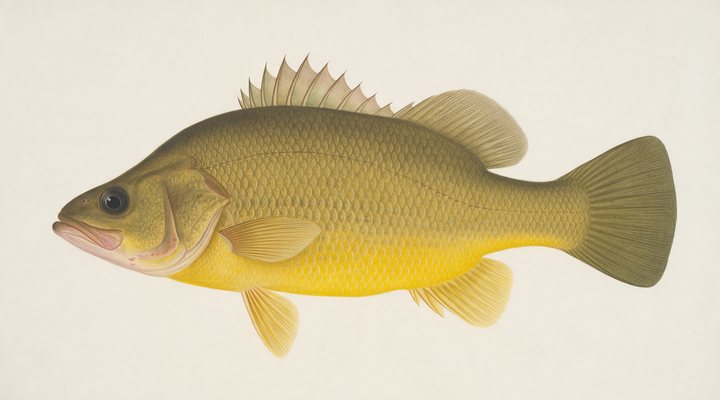
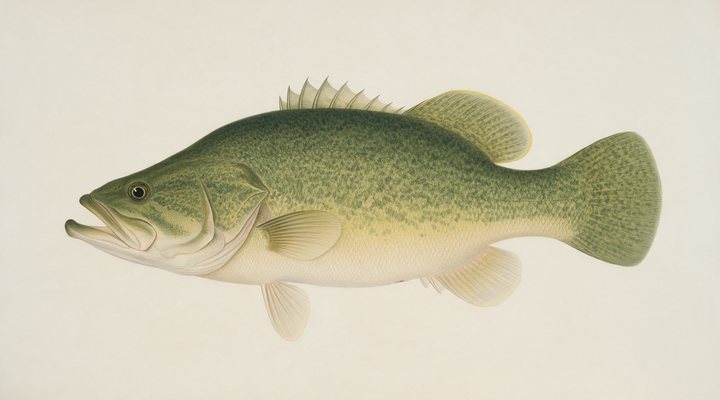
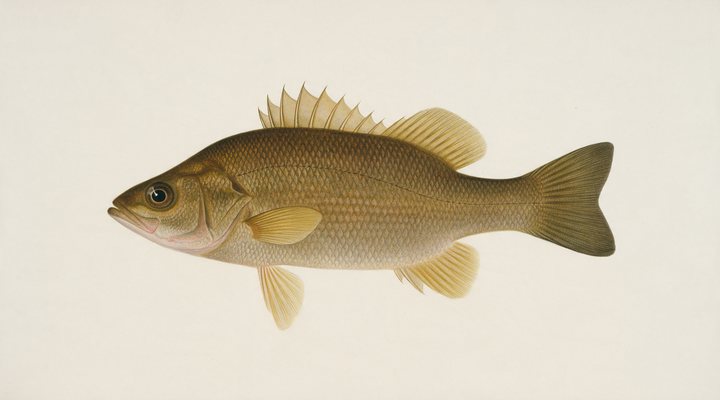
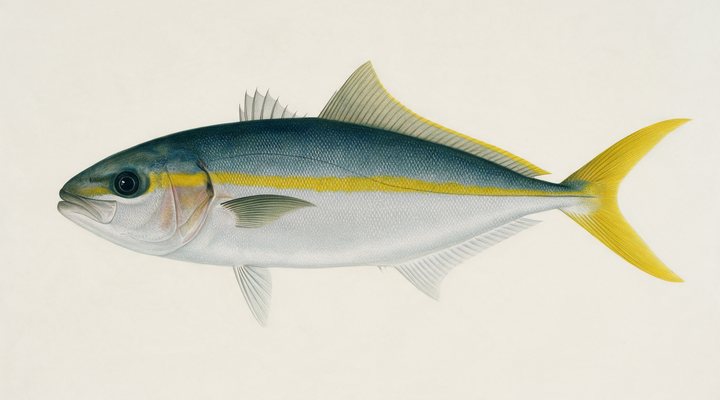
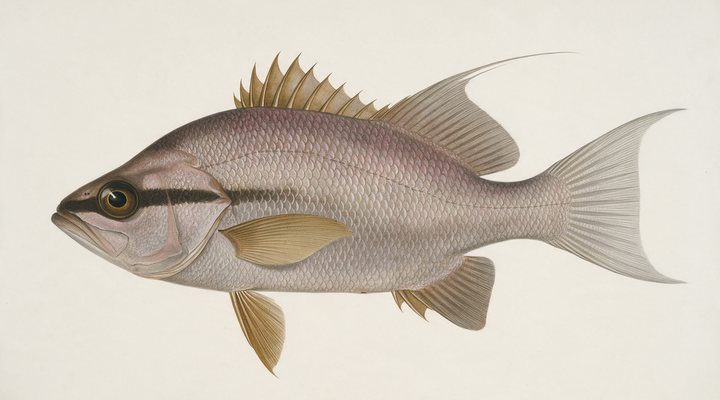
Yellowbelly. The bread-and-butter native of the Murray-Darling lakes and rivers; loves warm water, structure and a lure worked slowly past its nose.
Activity by month: J5 F5 M4 A4 M3 J2 J1 A2 S3 O4 N5 D5 (1 slow, 5 peak)
- Hot water
- Early and late around the standing timber and the rock walls with lipless crankbaits and spinnerbaits.
- Warm water
- Prime. Hop soft plastics and vibes around the timber, or fish shrimp and worms on the bottom.
- Cool water
- Slower. Work the deeper timber and the drop-offs with vibes and bait.
- Cold water
- Almost dormant; a bait fished slowly in the deepest water on the warmest afternoons.
Where we cover it: Lake Eildon, Lake Eppalock, Lake Hume, Lake Somerset, Burrinjuck Dam, Lake St Clair, Lake Mulwala, Copeton Dam, Murrumbidgee River, Wyangala Dam, Darling River, Cairn Curran Reservoir and 161 more.
Open season from October to June in NSW and Victoria; Tasmania from August · Full guide: tackle, legal season and every water →
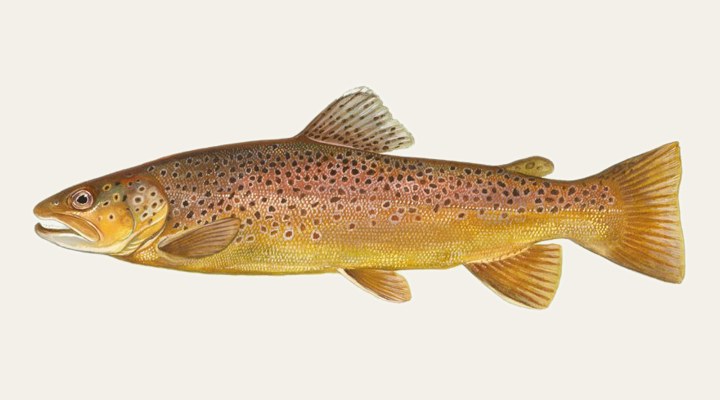
The stocked lakes of the Snowy Mountains, the Victorian highlands and the Tasmanian central plateau. Closed seasons apply on the rivers: check the state rules.
Activity by month: J3 F3 M4 A5 M4 J1 J1 A1 S2 O5 N5 D4 (1 slow, 5 peak)
Closed seasons: New South Wales, trout streams: General trout streams close from the Tuesday after the June long weekend to the last Friday before the October long weekend · New South Wales, trout lakes and dams: open all year · Victoria, trout and salmon in rivers and streams: Rivers and streams close from the Tuesday after the King’s Birthday weekend to the Friday before the first Saturday in September · Victoria, trout in lakes and reservoirs: open all year · Tasmania, brown trout waters: Most waters open from the first Saturday of August to the Sunday nearest 30 April; designated rainbow trout waters run from the Saturday nearest 1 October to the Sunday nearest 31 May · Tasmania, extended-season waters: The South Esk from the Storys Creek Road bridge at Avoca to Beams Hollow, the lower Macquarie, Meander and Brumbys Creek and lakes Mackintosh and Rosebery open with most waters on the first Saturday of August and close with the rainbow waters on the Sunday nearest 31 May · Tasmania, designated rainbow trout waters: Designated rainbow trout waters open on the Saturday nearest 1 October and close on the Sunday nearest 31 May. Each state hub lists the rule, its source and the dates for this year.
- Hot water
- Dawn only, and deep: troll lead-core or downriggers over the thermocline, or fish the cold inflows.
- Warm water
- Early and late around the edges with lures and flies; through the day, troll the drop-offs.
- Cool water
- Prime. Shore fishing along the edges with bait, spinners and flies, and the rivers if the season is open.
- Cold water
- Winter lakes: bait on the bottom in the deeper bays through the middle of the day, or polaroiding the shallows on the bright days in Tasmania.
Where we cover it: Lake Eucumbene, Lake Jindabyne, Googong Reservoir, Snowy River, Blue Rock Lake, Lake Wendouree, Great Lake, Arthurs Lake, Blowering Dam, Oberon Dam, Talbingo Reservoir, Tantangara Reservoir and 129 more.
Open season from October to June in NSW and Victoria; Tasmania from August · Full guide: tackle, legal season and every water →
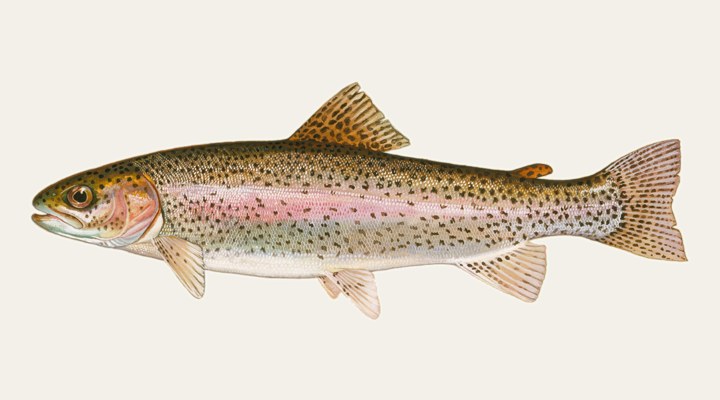
The wild trout of the highland rivers and Tasmania's lakes. Spawns in autumn, hence the closed rivers through winter in NSW and Victoria.
Activity by month: J3 F3 M4 A5 M4 J1 J1 A1 S2 O5 N5 D4 (1 slow, 5 peak)
Closed seasons: New South Wales, trout streams: General trout streams close from the Tuesday after the June long weekend to the last Friday before the October long weekend · New South Wales, trout lakes and dams: open all year · Victoria, trout and salmon in rivers and streams: Rivers and streams close from the Tuesday after the King’s Birthday weekend to the Friday before the first Saturday in September · Victoria, trout in lakes and reservoirs: open all year · Tasmania, brown trout waters: Most waters open from the first Saturday of August to the Sunday nearest 30 April; designated rainbow trout waters run from the Saturday nearest 1 October to the Sunday nearest 31 May · Tasmania, extended-season waters: The South Esk from the Storys Creek Road bridge at Avoca to Beams Hollow, the lower Macquarie, Meander and Brumbys Creek and lakes Mackintosh and Rosebery open with most waters on the first Saturday of August and close with the rainbow waters on the Sunday nearest 31 May · Tasmania, designated rainbow trout waters: Designated rainbow trout waters open on the Saturday nearest 1 October and close on the Sunday nearest 31 May. Each state hub lists the rule, its source and the dates for this year.
- Hot water
- Dawn at the lake edges and the cold inflows; the rivers at first light only.
- Warm water
- Early and late with flies and small lures along the weed edges and the river runs.
- Cool water
- Prime. Nymphs and streamers on the rivers, and the lake edges on the overcast days.
- Cold water
- The lake fishery: bait or slow lures in the deeper bays; the rivers are closed in NSW and Victoria.
Where we cover it: Lake Eucumbene, Lake Jindabyne, Googong Reservoir, Snowy River, Blue Rock Lake, Lake Wendouree, Great Lake, Arthurs Lake, Blowering Dam, Oberon Dam, Talbingo Reservoir, Tantangara Reservoir and 129 more.
Best: November to April · Full guide: tackle, legal season and every water →
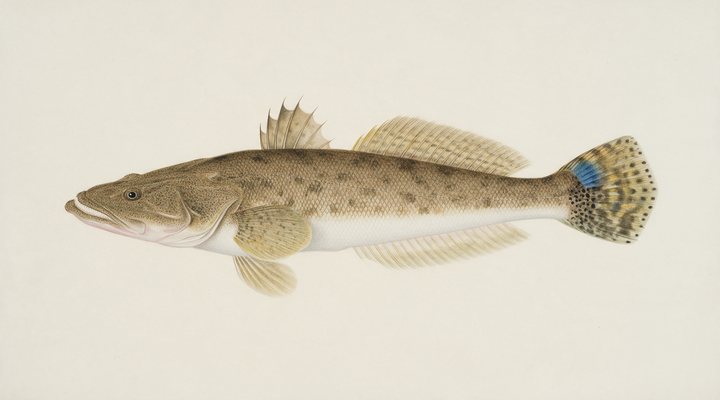
Dusky flathead in the eastern estuaries, sand flathead in the southern bays. An ambush predator lying on sand and mud edges waiting for whatever the tide brings.
Activity by month: J5 F5 M5 A4 M3 J2 J2 A2 S3 O4 N4 D5 (1 slow, 5 peak)
- Hot water
- Work the edges of the sand flats and the drop-offs on the run-out tide with 3 to 5 inch paddle-tail plastics hopped along the bottom.
- Warm water
- The best of it. Drift the sand and weed edges, bounce plastics or a strip of bait along the bottom, and cover ground until you find the school.
- Cool water
- Fish the deeper channels and the last of the run-out; slower hops with a heavier jighead, and a bait on the bottom as back-up.
- Cold water
- Deep holes and the warmest hours of the day. Sand flathead in the bays keep biting on bait; the big duskies are scarce.
Where we cover it: Adelaide, Moreton Bay, Port Phillip, Gold Coast, Geelong, Sunshine Coast, Hervey Bay, Brisbane, Lakes Entrance, Melbourne, Mandurah, Noosa and 128 more.
December to August; closed September to November · Full guide: tackle, legal season and every water →
The giant of the inland rivers and the big lakes (Hume, Mulwala, Eildon). A snag fish that eats big lures, and a species with a closed season across the Murray-Darling.
Activity by month: J4 F4 M5 A5 M4 J3 J2 A2 S1 O1 N1 D5 (1 slow, 5 peak)
Closed seasons: New South Wales, murray cod: Closed 1 September to 30 November in all waters except Blowering and Copeton dams · Victoria, murray cod: Closed 1 September to 30 November inclusive, except in Lake Eildon, Eildon Pondage, Lake Eppalock, Cairn Curran, Lake Nillahcootie and the other waters the VFA lists · Queensland, murray cod, murray-darling waters: Closed 1 August to 31 October in Queensland’s Murray-Darling fresh waters, except Connolly, Cooby, Coolmunda, Glenlyon, Leslie and Storm King dams · South Australia, murray cod, river murray and lakes albert and alexandrina: No Murray cod may be taken at any time from the River Murray or lakes Albert and Alexandrina. Each state hub lists the rule, its source and the dates for this year.
- Hot water
- Surface lures at night and at first light along the snags and rock walls; big spinnerbaits and swimbaits by day.
- Warm water
- Prime. Cast big spinnerbaits, hardbodies and swimbaits tight to timber and rock, and work the same snag several times.
- Cool water
- Slow it down: heavier spinnerbaits, slow-rolled swimbaits and bait on the bottom next to the deep snags.
- Cold water
- Winter cod: the deepest snags and rock walls, big baits, patience. Check the closed season before you go.
Where we cover it: Lake Eildon, Lake Eppalock, Lake Hume, Burrinjuck Dam, Lake Mulwala, Copeton Dam, Murrumbidgee River, Wyangala Dam, Darling River, Cairn Curran Reservoir, Lake Burrendong, Carcoar Dam and 127 more.
Autumn and winter on the east coast; August to September on Fraser Island · Full guide: tackle, legal season and every water →
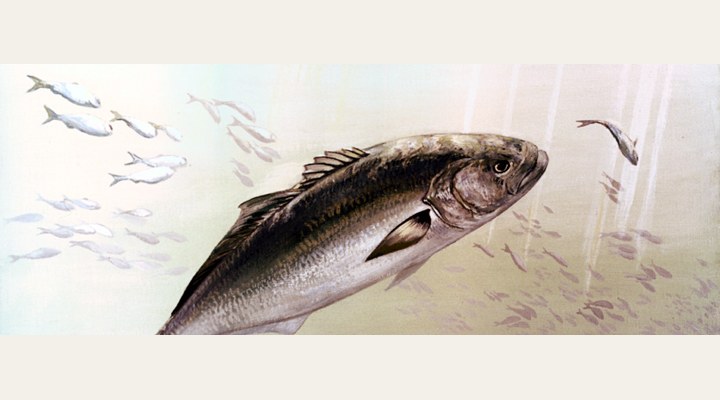
The surf and rock fish of the east coast, running north in autumn and winter. Fast, toothy and best at dawn, dusk and into the dark.
Activity by month: J2 F3 M4 A5 M5 J4 J4 A5 S5 O4 N3 D2 (1 slow, 5 peak)
- Hot water
- Chase the schools along the beach gutters at first and last light with metal slugs and pilchards on ganged hooks.
- Warm water
- Rock ledges and beach gutters on the rising tide; metals cast and retrieved fast, or a whole pilchard drifted through the wash.
- Cool water
- The main run. Fish the gutters and headlands into the evening; ganged pilchards, metals, and a wire-free trace only if you accept the bite-offs.
- Cold water
- Deeper gutters and the headlands after dark; the big greenbacks come in the coldest months on the northern beaches.
Where we cover it: Perth, Moreton Bay, Gold Coast, Sunshine Coast, Hervey Bay, Brisbane, Sydney, Lakes Entrance, Mandurah, Merimbula, Noosa, Port Stephens and 124 more.
Best: summer and autumn, especially after rain · Full guide: tackle, legal season and every water →
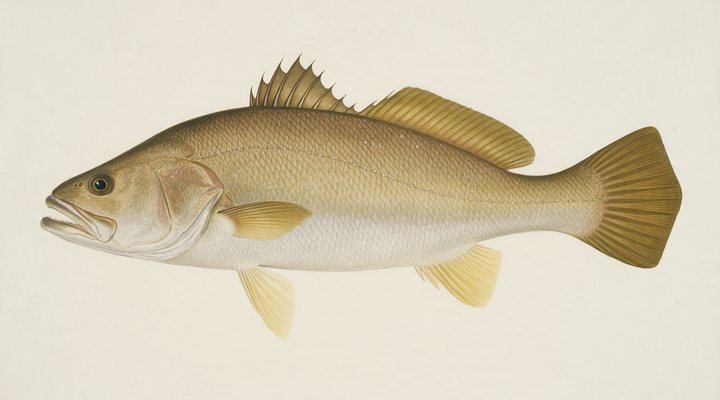
Jewfish. The big silver prize of the estuaries, breakwalls and surf beaches: nocturnal, tide-driven and unforgiving of noise.
Activity by month: J4 F4 M5 A5 M4 J3 J3 A3 S3 O3 N3 D4 (1 slow, 5 peak)
- Hot water
- Night tides on the breakwalls and estuary holes with big live baits or fresh squid; a fresh in the river turns them on.
- Warm water
- Fish the deep holes and the rock walls through a tide change after dark; live mullet, yellowtail or a large soft plastic worked slowly.
- Cool water
- The estuary fish move to the deeper reaches. Long, quiet sessions on the bottom with fresh bait across the top of the tide.
- Cold water
- Scarce inshore; a winter fish or two off the deep beaches and breakwalls at night for the persistent.
Where we cover it: Moreton Bay, Gold Coast, Sunshine Coast, Hervey Bay, Brisbane, Sydney, Lakes Entrance, Mandurah, Merimbula, Noosa, Port Stephens, Eden and 108 more.
Year-round; summer and autumn in the estuaries, winter at the mouths · Full guide: tackle, legal season and every water →
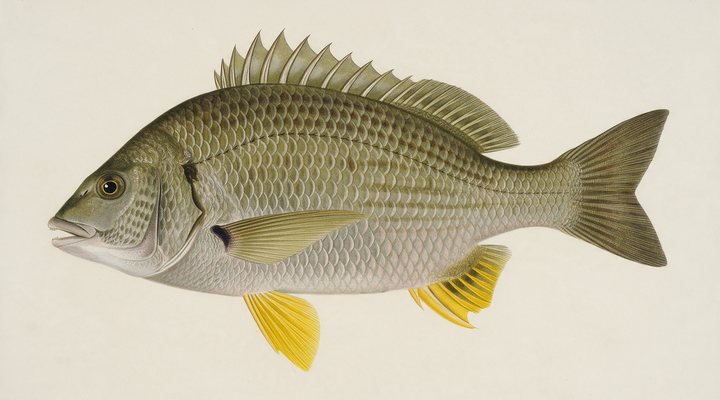
Yellowfin bream on the east coast, black bream in the southern estuaries. Structure fish: rock walls, jetty piles, oyster racks, snags and pontoons.
Activity by month: J4 F4 M5 A5 M4 J3 J3 A3 S3 O4 N4 D4 (1 slow, 5 peak)
- Hot water
- First and last light around the shallow flats and the rock walls with small hardbodies and light plastics; midday, the shade under pontoons and jetties.
- Warm water
- Prime bream weather. Cast small vibes, crankbaits and 2 to 3 inch plastics at every piece of structure on the rising tide.
- Cool water
- Slow the retrieve right down: blades and lightly weighted plastics along the deeper rock walls and drop-offs, or unweighted bait drifted into the snags.
- Cold water
- The winter school-up near the estuary mouths. Baits on the bottom in the deeper holes, and patience: the bite comes in short bursts.
Where we cover it: Moreton Bay, Gold Coast, Sunshine Coast, Hervey Bay, Brisbane, Lakes Entrance, Mandurah, Noosa, Port Stephens, Bribie Island, Forster, Port Macquarie and 95 more.
Run-off (March to May) and build-up (October to November) in the north; check the closed season on the Queensland east coast · Full guide: tackle, legal season and every water →
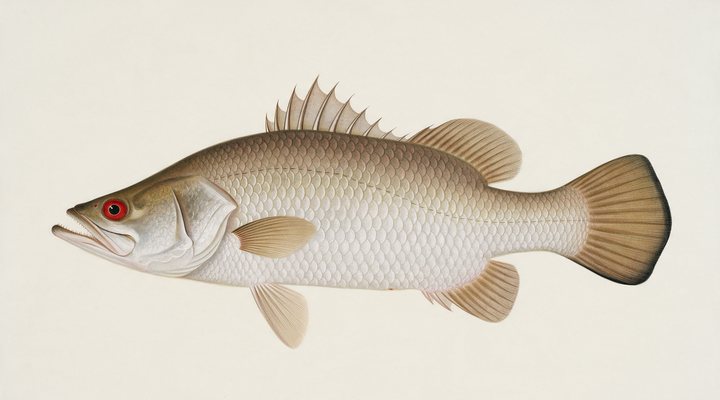
The north's fish. Tidal rivers, run-off creeks, rock bars and the stocked impoundments. Warm water, moving water and a barometer on the way down.
Activity by month: J2 F2 M4 A5 M5 J3 J2 A2 S3 O5 N5 D3 (1 slow, 5 peak)
Closed seasons: Queensland, barramundi, east coast: Closed 1 November to 31 January on the east coast, tidal and fresh, except in the stocked dams the Queensland Government lists · Queensland, barramundi, gulf of carpentaria: Closed 7 October to 31 January in the Gulf of Carpentaria, tidal and fresh. Each state hub lists the rule, its source and the dates for this year.
- Hot water
- Dawn, dusk and the run-off drains and creek mouths on the falling tide; hardbodies and soft vibes cast tight to snags and rock bars.
- Warm water
- Work the colour changes and the snags on the run-out; larger swimbaits and slow-rolled plastics in the impoundments.
- Cool water
- The dry-season lull. Fish the warmest hours over the shallow flats and the rock bars, slower and smaller.
- Cold water
- Sluggish; the southern edge of their range shuts down. Live bait sat on the bottom in the deepest holes of the day.
Where we cover it: Cairns, Darwin, Townsville, Lake Monduran, Mackay, Yeppoon, Gladstone, Port Douglas, Rockhampton, Lake Awoonga, Airlie Beach, Cooktown and 84 more.
Winter and spring on the southern beaches · Full guide: tackle, legal season and every water →
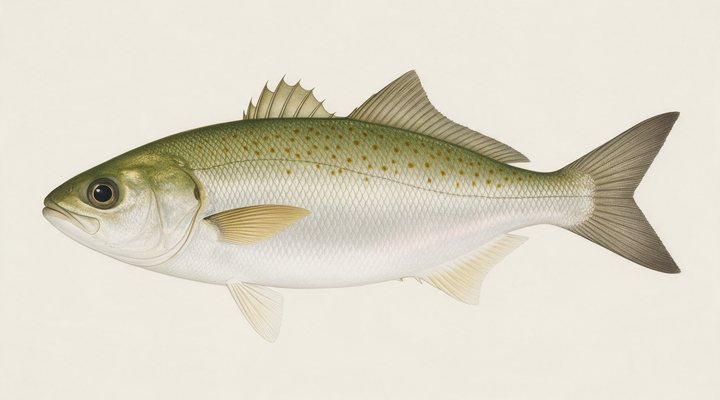
Not a salmon at all: a hard-fighting schooling fish of the surf and the bays, from WA around to NSW. Great on light gear, poor on the plate.
Activity by month: J2 F2 M3 A4 M5 J5 J5 A5 S4 O3 N2 D2 (1 slow, 5 peak)
- Hot water
- Early morning in the beach gutters with metals and pilchards before the schools push wide.
- Warm water
- Look for birds and surface splashes along the beaches and in the bays; cast metals, plastics or ganged pilchards into the school.
- Cool water
- The main season. Beach gutters, rock platforms and bay edges on the rising tide; metals, surf poppers and bait all work.
- Cold water
- Peak on the southern beaches. Big schools on the moving tide; fish the deeper gutters through the middle of the day.
Where we cover it: Adelaide, Port Phillip, Geelong, Sydney, Melbourne, Merimbula, Port Welshpool, Portland, Eden, Bermagui, Fraser Island (K'gari), Port Lincoln and 76 more.
September to April in the rivers; closed June to August in NSW rivers · Full guide: tackle, legal season and every water →
The native sportfish of the east-coast rivers and the stocked dams. Surface lures in summer, deep in winter, and a river closed season for spawning.
Activity by month: J5 F5 M4 A3 M2 J1 J1 A1 S3 O4 N5 D5 (1 slow, 5 peak)
Closed seasons: New South Wales, australian bass and estuary perch in rivers: Closed 1 May to 31 August in all rivers except rivers above impoundments; dams are not closed. Each state hub lists the rule, its source and the dates for this year.
- Hot water
- Surface lures at dawn and dusk along the shaded banks and the snags; in the dams, the schools on the deeper points by day.
- Warm water
- Prime. Cast spinnerbaits, small hardbodies and surface lures tight to structure in the rivers; sound up the schools in the dams.
- Cool water
- Dam fish school deep; vertical jig plastics and blades over them. Rivers slow, and closed in NSW from June.
- Cold water
- Dams only: deep schools, small blades and plastics, slow.
Where we cover it: Lake Somerset, Lake St Clair, Lake Glenbawn, Lostock Dam, Brogo Dam, Fitzroy Falls Reservoir, Tallowa Dam, Lake Glenmaggie, Devilbend Reservoir, Wuruma Dam, Cania Dam, Lake Boondooma and 62 more.
Best: December to May in SA; spring and summer in Port Phillip · Full guide: tackle, legal season and every water →
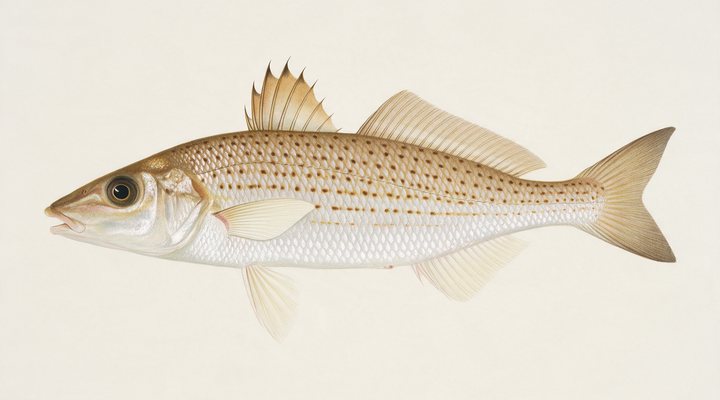
The table fish of the south. Feeds over sand patches between weed and reef in 2 to 10 metres, mostly by day, mostly on the moving tide.
Activity by month: J5 F5 M5 A4 M3 J2 J2 A2 S3 O4 N4 D5 (1 slow, 5 peak)
- Hot water
- Anchor over sand holes in the weed at first light with pipi, squid strip or worm on a small hook and a paternoster rig; move if nothing happens in twenty minutes.
- Warm water
- Peak season. Berley lightly, fish the sand holes on the making tide, and stay mobile: whiting are where the bait is, not where they were last week.
- Cool water
- Deeper sand patches and the middle of the day; slower bites, bigger fish.
- Cold water
- A winter fishery in the deeper gulf water on the calm days; light gear, fresh bait, tide change.
Where we cover it: Adelaide, Perth, Port Phillip, Geelong, Melbourne, Port Welshpool, Portland, Port Lincoln, Western Port, Mornington, Bunbury, Busselton and 58 more.
Spring and autumn peaks in the southern bays · Full guide: tackle, legal season and every water →
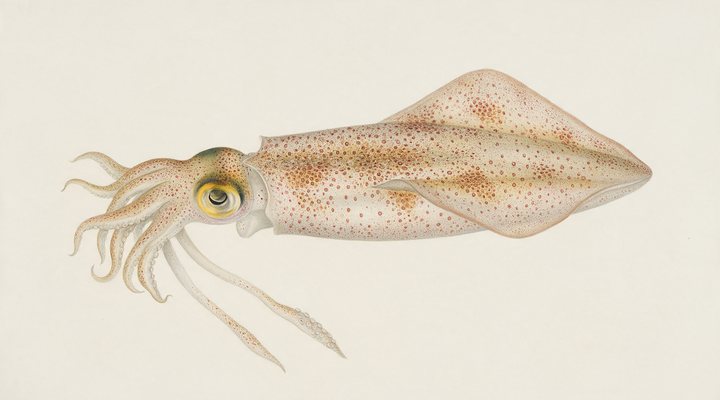
Southern calamari over weed and sand in 2 to 10 metres of the bays and gulfs; a jig fishery at dawn, dusk and under the jetty lights.
Activity by month: J3 F3 M4 A4 M3 J2 J2 A3 S5 O5 N5 D4 (1 slow, 5 peak)
- Hot water
- Dawn and dusk over the weed beds with 2.5 to 3.0 jigs; the jetty lights after dark.
- Warm water
- Prime. Drift the weed edges casting jigs, or a baited jig under a float from the piers.
- Cool water
- Spring and autumn are the seasons: the weed beds on the rising tide, slow sinking jigs.
- Cold water
- Deeper weed and the calm days; the piers at night when the water clears.
Where we cover it: Adelaide, Perth, Port Phillip, Geelong, Melbourne, Port Welshpool, Portland, Port Lincoln, Western Port, Mornington, Bunbury, Busselton and 58 more.
Best: October to January in the southern bays · Full guide: tackle, legal season and every water →
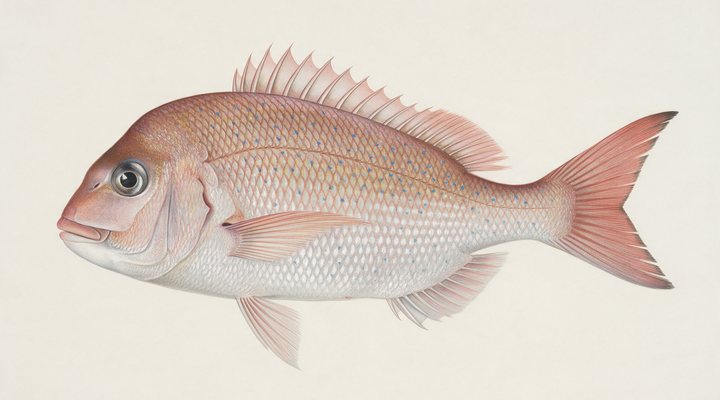
The southern headline fish. Runs into Port Phillip, Western Port, the gulfs and the WA sounds in spring to spawn; holds on reef and rubble the rest of the year.
Activity by month: J4 F3 M3 A3 M2 J2 J2 A2 S3 O5 N5 D5 (1 slow, 5 peak)
Closed seasons: Queensland, snapper and pearl perch, east coast: Closed 15 July to 15 August in east coast tidal waters · South Australia, snapper: closed until 2027-06-30. Each state hub lists the rule, its source and the dates for this year.
- Hot water
- Dawn and dusk on the shallow reef edges with soft plastics or lightly weighted baits; middays, the deeper marks in 20 to 40 metres.
- Warm water
- The spring and early summer run: anchor up-current of a reef or rubble patch, berley steadily and fish pilchard, squid or a 5 to 7 inch plastic on the drop.
- Cool water
- Fish are thinner inshore. Work the deeper structure and the channel edges with baits on the bottom, and pick the tide change.
- Cold water
- Offshore reef on the calm days, slow and deep. Inshore, the odd fish on a big bait at night around the pier lights.
Where we cover it: Adelaide, Port Phillip, Geelong, Melbourne, Port Welshpool, Portland, Port Lincoln, Western Port, Mornington, Warrnambool, Albany, Apollo Bay and 42 more.
Winter and spring in the north; summer in NSW · Full guide: tackle, legal season and every water →
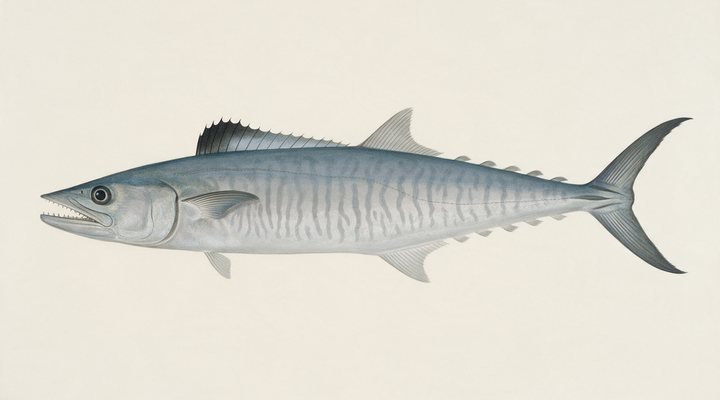
The narrow-barred Spanish mackerel: a speedster of the headlands, reefs and shoals from Queensland around to northern WA, and a summer visitor to NSW.
Activity by month: J3 F3 M3 A3 M4 J4 J5 A5 S5 O4 N3 D3 (1 slow, 5 peak)
- Hot water
- Troll rigged garfish or lures over the reef edges and shoals at first light; float-line a live bait through the middle of the day.
- Warm water
- Prime. Trolled baits and hardbodies over structure on the tide change, or high-speed metals cast at surface schools.
- Cool water
- The northern run. Anchor and float-line pilchards or live baits over the shoals with a wire trace.
- Cold water
- Only in the far north; the southern fish have moved on. Deeper reefs, slower trolling.
Where we cover it: Cairns, Darwin, Townsville, Mackay, Yeppoon, Gladstone, Port Douglas, Rockhampton, Airlie Beach, Cooktown, Karumba, Weipa and 23 more.
Best: December to April · Full guide: tackle, legal season and every water →
The hardest-pulling fish within reach of the shore. Headlands, harbour markers, offshore reefs and the warm current in summer.
Activity by month: J5 F5 M5 A4 M3 J2 J1 A1 S2 O3 N4 D5 (1 slow, 5 peak)
- Hot water
- Live baits or stickbaits around the headlands, markers and bait schools at first light; downrig a live yellowtail over the reefs once the sun is up.
- Warm water
- Prime. Cast stickbaits and poppers at surface activity, jig the deeper reefs, and keep a live bait out under a balloon.
- Cool water
- The fish thin out as the current cools; jig the deeper offshore marks and work the harbours on the warmer afternoons.
- Cold water
- A rare winter fish; deep jigging on the offshore reefs on the calm days only.
Where we cover it: Sydney, Merimbula, Eden, Bermagui, Fraser Island (K'gari), Newcastle, Rainbow Beach, Narooma, Coffs Harbour, Jervis Bay, Wollongong, Central Coast and 22 more.
Year-round demersal fishery with a closed season on the West Coast; check DPIRD · Full guide: tackle, legal season and every water →
WA's prize demersal. Lives on limestone reef and lumps in 20 to 100 metres from Kalbarri to Augusta; slow-growing and tightly managed.
Activity by month: J4 F4 M4 A4 M3 J3 J3 A3 S4 O3 N3 D4 (1 slow, 5 peak)
Closed seasons: Western Australia, west coast demersal scalefish: closed, no reopening date published. Each state hub lists the rule, its source and the dates for this year.
- Hot water
- Early starts on the inshore lumps before the sea breeze; fresh baits or large plastics dropped to the bottom on the tide change.
- Warm water
- Fish the deeper reef in 40 metres and more; big baits, heavy leaders, and release any fish you are not keeping with a release weight.
- Cool water
- A good time on the mid-depth reef on the calm days; jigs and baits, slow.
- Cold water
- Winter swells limit the days out; when it lays down, the deeper ground fishes well.
Where we cover it: Perth, Bunbury, Busselton, Esperance, Geraldton, Kalbarri, Jurien Bay, Lancelin, Rottnest Island, Fremantle, Rockingham, Dunsborough and 4 more.
Best: summer and autumn off WA · Full guide: tackle, legal season and every water →
The big amberjack of the west: bruising fights on jigs over the deep reef and around the offshore aggregations in summer.
Activity by month: J5 F5 M5 A4 M3 J2 J2 A2 S3 O4 N4 D5 (1 slow, 5 peak)
- Hot water
- Heavy jigging over the deep reef and the aggregation sites early; live baits on the wrecks.
- Warm water
- Prime. Knife jigs and big plastics worked over the reef edges and the bait schools.
- Cool water
- Fewer fish, deeper; jig the wrecks and the deeper lumps on the calm days.
- Cold water
- Scarce inshore; a deep-water fish for the dedicated.
Where we cover it: Perth, Bunbury, Busselton, Esperance, Geraldton, Kalbarri, Jurien Bay, Lancelin, Rottnest Island, Fremantle, Rockingham, Dunsborough and 4 more.