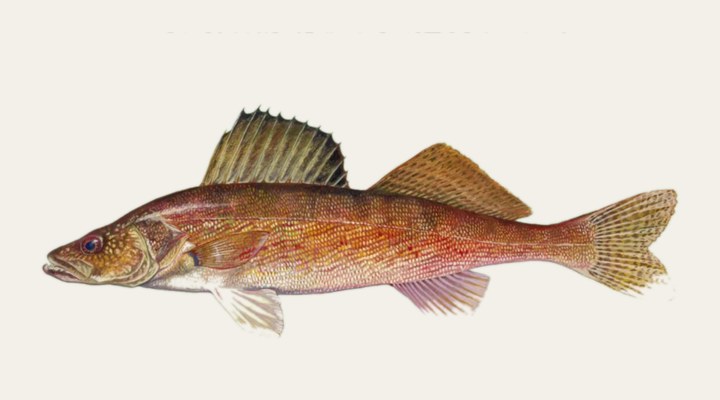
Walleye (pickerel)
Excellent
The fall bite: fish move to the rock and the river mouths; jigs and minnows, stickbaits at night.
Updated Fri, Sep 25, 2026 from live weather and water data
Lake of the Woods at Kenora: walleye, muskie, smallmouth and pike among thousands of islands, with a live level gauge at Keewatin.
Sources: Water Survey of Canada station 05PE014, Open-Meteo, solunar calculated for these coordinates.
Lake of the Woods rewards patience today, with cool water and short feeding windows. The gauge reads 322.63 m, holding steady. Today brings cloud cover, wind SSE around 5 km/h, steady pressure near 1022 hPa and a high of 18 °C. Water sits around 16 °C for the season (estimated). With the full moon, the solunar majors run 10:25 AM-12:25 PM and 10:25 PM-12:25 AM: the windows to build the day around.
The fall bite: fish move to the rock and the river mouths; jigs and minnows, stickbaits at night.
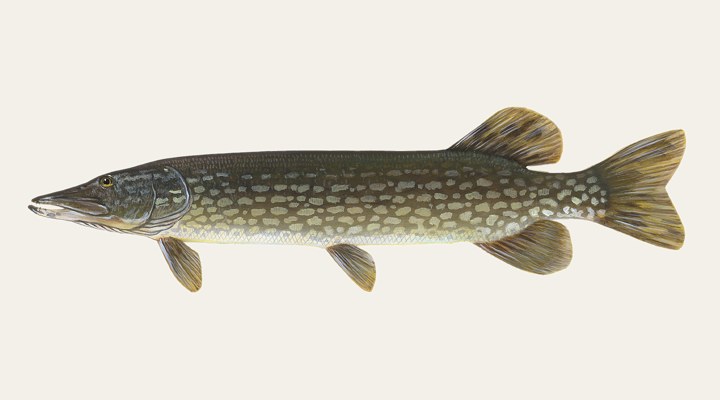
The fall feed: big swimbaits and spoons in the shallows where the baitfish gather.
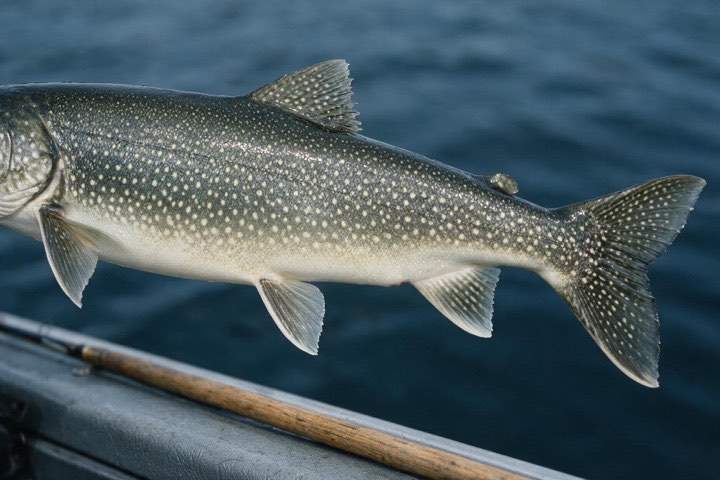
Tie on: Float and roe · Swung fly through the tailout · Jerkbait, long pauses · Hair jig on the rock. Prime windows: 10:25 AM-12:25 PM, 10:25 PM-12:25 AM, 4:55 AM-5:55 AM. Similar at 18 °C with likely rain: fish ahead of the front. The solunar majors shift about 50 minutes later.
Ontario requires a fishing licence for most fishing, from C$12.21. Ontario fishing licence: cost, rules and where to buy →
Chasing walleye (pickerel) here? Check the size and bag limits with Ontario MNR before you keep anything; the Walleye (pickerel) page has the seasons and the tactics.
Hour-by-hour bite forecast for today from sunrise (07:09), sunset (19:09), the moon and today's score. Tap a bar to see why.
Solunar majors 10:25 AM-12:25 PM and 10:25 PM-12:25 AM; minor 4:55 AM-5:55 AM. Full Moon, 99% lit.
Live readings from Water Survey of Canada station 05PE014 (LAKE OF THE WOODS AT KEEWATIN).
Water Survey of Canada real-time hydrometric data, station 05PE014. Latest reading 2026-09-25 06:25.
Latest readings
The best day on Lake of the Woods this week looks like Wednesday Sep 30, at 4 out of 5, against 3 today. Every day is scored by the same engine as the report above: pressure trend first, then wind, sky and season. Pick a species and the plan for that day changes with it.
Best day this week: Wednesday, Sep 30 — good at 4/5, falling pressure, usually the best window of a week.
A steady pattern: dawn and dusk carry the day.
Scores are a planning aid built from forecast data, not a promise.
The species that matter on Lake of the Woods: seasons written for the Canadian year, and how to fish each one. Today's ratings live in the report above.
Called pickerel in much of Ontario and Manitoba. The fish of Lake of the Woods, Lake Winnipeg and the Red River, Lake Diefenbaker, Tobin Lake, Lake Erie and the Bay of Quinte. Most zones close in spring for the spawn. The fall bite: fish move to the rock and the river mouths; jigs and minnows, stickbaits at night.
Called jackfish on the prairies. Found in almost every lake and slow river from Ontario to Alberta; big fish in the cold, deep lakes. The fall feed: big swimbaits and spoons in the shallows where the baitfish gather.
The big char of cold, deep lakes: Lake Simcoe, the Kootenay and Shuswap systems, the northern lakes. A winter favourite through the ice, where the season allows. Fish come shallower after the lake turns over; cast or troll the shoals.
The ice-fishing fish of Lake Simcoe, Long Point Bay and Lake St. Clair, and a summer staple on every Great Lakes shore. Schools move constantly. Schools tighten on the deeper flats; bait near the bottom.
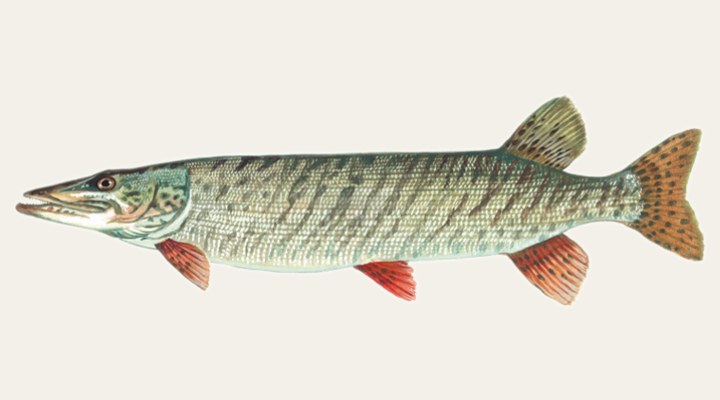
The trophy fish of Lake St. Clair, the St. Lawrence, the Detroit River and Lake of the Woods. Catch-and-release is the culture; minimum sizes are large where retention is allowed. The trophy season: large swimbaits and trolling as the water cools.
Activity by species and month for the Canadian year, and how the water warms and cools. Tap any cell.
1 = slow, 5 = peak. Current month highlighted. January is midsummer here.
Typical surface temperature for this water type in degrees Celsius; today is around 16 °C (estimated, not a reading).
Real reports from real anglers, reviewed before publishing. Nothing here is copied from a shop or a charter. The water log below tracks each day automatically.
3/5 Fair. Fish the windows. A steady pattern: dawn and dusk carry the day. Walleye (pickerel) led the card at excellent. High of 15 °C, wind to 21 km/h.
4/5 Good. Solid day ahead. Stable-to-falling pressure and workable wind line things up. Walleye (pickerel) led the card at excellent. High of 19 °C, wind to 21 km/h.
3/5 Fair. Fish the windows. A steady pattern: dawn and dusk carry the day. Walleye (pickerel) led the card at excellent. High of 17 °C, wind to 19 km/h.
Outdoors Card and Ontario fishing licence, from C$12.21 for a resident adult, with higher prices for other Canadians and visitors. Details and where to buy →
Size and bag limits, closed seasons and protected areas are set by Ontario MNR and, in salt water and for salmon, by Fisheries and Oceans Canada, and change: confirm the current rules on the agency page linked from the Ontario licence page before you keep anything.
On the Ontario side, an Outdoors Card and an Ontario fishing licence are needed; non-Canadians pay non-resident fees, and crossing into Minnesota waters needs a Minnesota licence.
Lake of the Woods is a lake in Ontario, Canada, covered from the Ontario reports and listed in all Canada waters.
Lake of the Woods spreads across the border of Ontario, Manitoba and Minnesota, a maze of thousands of islands and bays on the edge of the Canadian Shield, with Kenora and Keewatin at its northern outlet. It is one of the best-known walleye and muskie lakes in North America and a major ice-fishing destination in winter. The Water Survey of Canada gauge at Keewatin supplies the lake level and the 30-day chart on this page.
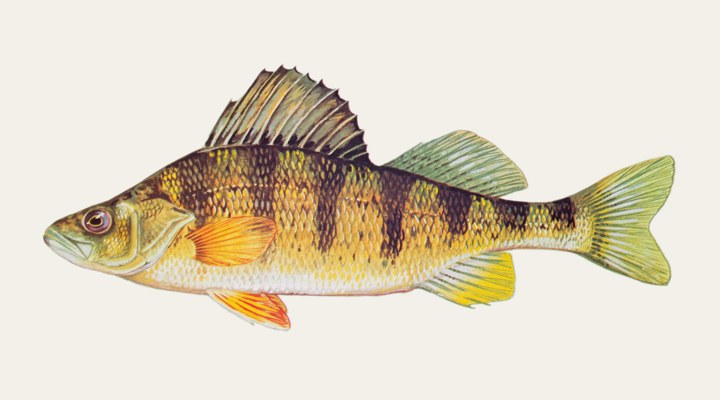
Walleye are the main fish, in open water and through the ice; muskellunge, smallmouth bass, northern pike, crappie and yellow perch are all important, and the colder northern bays hold lake trout. Ontario’s zone seasons and limits apply on the Canadian side; the Minnesota and Manitoba portions have their own rules.
The islands and reefs around Kenora, Sioux Narrows and Nestor Falls are fished from boats and from the many lodges; the big open water to the south is shared with Minnesota. In winter, walleye and crappie are fished through the ice in the bays.
Kenora is on the Trans-Canada Highway, about two hours east of Winnipeg, and is the gateway to the lodges and outfitters. The lake is enormous and easy to get lost on: use charts and a GPS, and know where the border runs.
The lake freezes from late fall and the ice season runs into spring; no agency certifies the ice, and the currents around narrows and islands keep some areas thin. Open water returns in spring, with the walleye season opening after the spawn.
The gauge at Keewatin shows the lake level, regulated at the outlets, and the chart shows the last 30 days. The water temperature estimate, labelled as one, follows a typical Shield lake. Pressure and sky build the score.
On the Ontario side, an Outdoors Card and an Ontario fishing licence are needed; non-Canadians pay non-resident fees, and crossing into Minnesota waters needs a Minnesota licence. The rules are linked below, and our Ontario licence page has the fees.
Walleye and muskellunge, with smallmouth bass, pike and crappie among thousands of islands.
On the Ontario side, yes; the Minnesota and Manitoba parts need their own licences.
Yes, in winter where the ice is safe; check it yourself, as currents keep some areas thin.
Check the daily report at the top of this page: it is regenerated every morning from live data. Today's read: Fair. Fish the windows. A steady pattern: dawn and dusk carry the day.
 Pablo Ruiz Quintero
Readings refresh on a 30-minute window. The full method, with every figure and its source, is on How our reports are made. Something wrong here? Tell us and it goes in the log with the date.