BC coast: spring to late summer; Great Lakes tributaries: September and October · Full guide: tackle, legal season and every water →
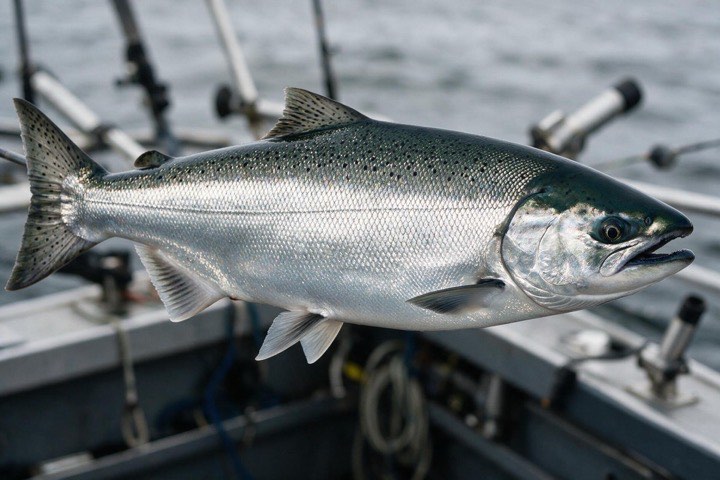
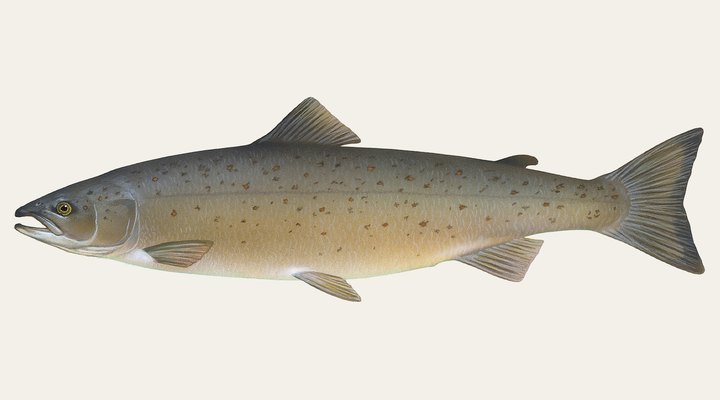
The biggest Pacific salmon, called spring or king on the BC coast. Feeds along the kelp lines, points and tide rips of the BC coast before running rivers in late summer; introduced to the Great Lakes, where it runs the tributaries in fall. Retention on the BC coast changes by area and by DFO fishery notice.
Activity by month: J2 F2 M2 A3 M3 J4 J5 A5 S4 O3 N2 D2 (1 slow, 5 peak)
- Hot water
- The fish go deep and the bite goes early. Troll flashers and hoochies or anchovy in a teaser head on a downrigger at first light, then deeper as the sun climbs.
- Warm water
- Peak season on the coast. Work the tide changes along the points and the kelp beds with a flasher and bait, adjusting depth until you mark fish.
- Cool water
- Fish are staging or moving to the rivers. On the coast, the deeper banks and the winter feeders; in Great Lakes rivers, drifted roe and spinners in the deeper runs.
- Cold water
- Winter feeders on the BC coast, deep and slow, on the calm days only. In the Great Lakes, the run is over until next fall.
Where we cover it: Vedder River, Vancouver, Campbell River, Victoria, Sooke, Nanaimo, Nootka Sound, Fraser River at Mission, Niagara River, Bamfield, Ucluelet, Skeena River at Terrace and 16 more.
BC coast: July to September; rivers: October and November · Full guide: tackle, legal season and every water →
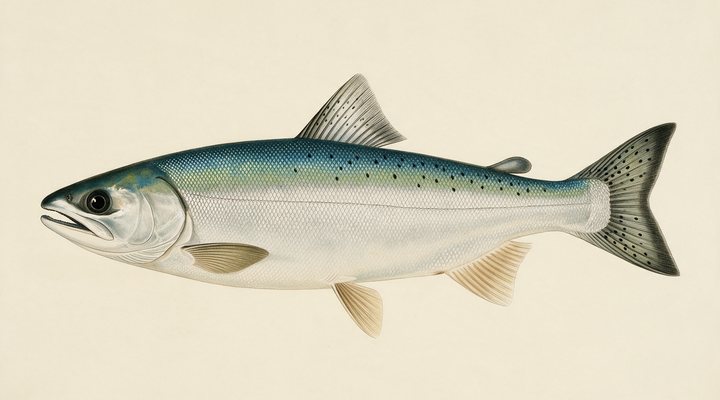
Silver, aggressive and surface-oriented. Feeds hard along the BC coast through summer and runs the Fraser Valley and Island rivers in fall, the Vedder and the Stamp among them. Hatchery coho are marked by a clipped adipose fin; what may be kept depends on the water and the DFO notice.
Activity by month: J1 F1 M1 A2 M2 J3 J4 A5 S5 O5 N4 D2 (1 slow, 5 peak)
- Hot water
- Coho sit higher than chinook. Troll bucktail flies and small hoochies fast near the surface at dawn, or cast spoons to feeding fish.
- Warm water
- The best of the coastal run: surface to twenty metres along rips and bait schools, fast troll, bright colours.
- Cool water
- The river run. Float gear with roe or a jig, or cast spinners and spoons in the slower tailouts after a rise in water.
- Cold water
- Late fish in the rivers are dark and done; the coast is quiet until spring.
Where we cover it: Vedder River, Vancouver, Campbell River, Victoria, Sooke, Nanaimo, Nootka Sound, Fraser River at Mission, Bamfield, Ucluelet, Skeena River at Terrace, Capilano River and 15 more.
Spring opener to fall, and the ice · Full guide: tackle, legal season and every water →
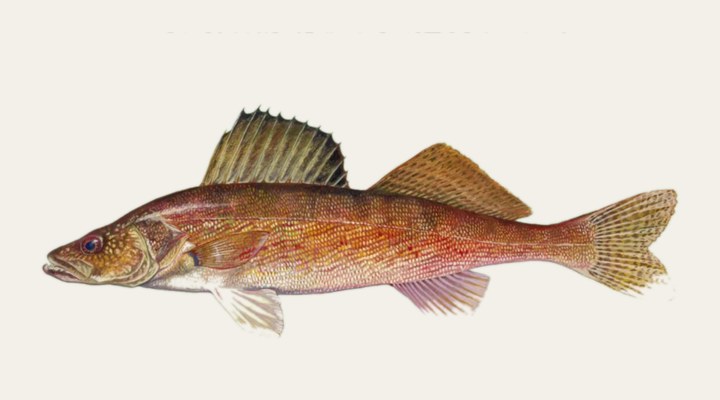
Called pickerel in much of Ontario and Manitoba. The fish of Lake of the Woods, Lake Winnipeg and the Red River, Lake Diefenbaker, Tobin Lake, Lake Erie and the Bay of Quinte. Most zones close in spring for the spawn.
Activity by month: J4 F4 M3 A1 M4 J5 J4 A4 S5 O5 N4 D4 (1 slow, 5 peak)
- Hot water
- Fish go deep or feed at night. Troll crawler harnesses and crankbaits along the mud flats and breaks at dawn and dusk.
- Warm water
- Jig and minnow along the weed edges, reefs and current breaks; troll the flats when they scatter.
- Cool water
- The fall bite: fish move to the rock and the river mouths; jigs and minnows, stickbaits at night.
- Cold water
- Through the ice where it is safe: jigging spoons and a dead-stick minnow near the bottom at first and last light. Open rivers: slow jigs in the deep holes.
Where we cover it: Lake of the Woods, Long Point Bay, Lake Erie, Lake Winnipeg, Erieau, Port Glasgow, Detroit River, Wheatley, Lake St. Clair, Red River at Selkirk, Bay of Quinte, Lake Diefenbaker, Pigeon Lake and 5 more.
Year-round; the ice season at Lake Simcoe and Long Point · Full guide: tackle, legal season and every water →
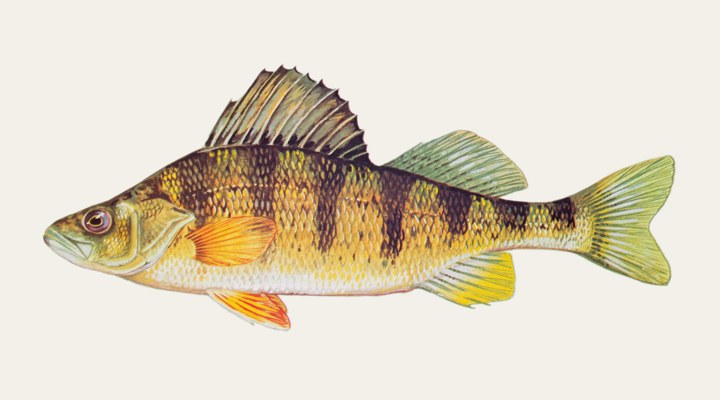
The ice-fishing fish of Lake Simcoe, Long Point Bay and Lake St. Clair, and a summer staple on every Great Lakes shore. Schools move constantly.
Activity by month: J5 F5 M4 A4 M4 J3 J3 A3 S4 O4 N4 D5 (1 slow, 5 peak)
- Hot water
- Deep schools on the flats: small jigs and minnows on a spreader, moving until you find them.
- Warm water
- Small jigs and minnows along the weed edges and the sand flats.
- Cool water
- Schools tighten on the deeper flats; bait near the bottom.
- Cold water
- The ice season where the ice is safe: small spoons and tungsten jigs tipped with minnow heads, moving hole to hole to find the school.
Where we cover it: Lake Simcoe, Lake of the Woods, Long Point Bay, Lake Erie, Lake Winnipeg, Erieau, Port Glasgow, Detroit River, Wheatley, Lake St. Clair, Red River at Selkirk, Bay of Quinte, Lake Diefenbaker and 5 more.
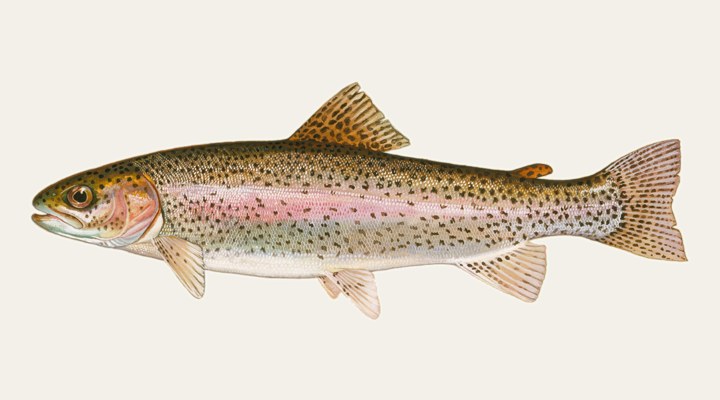
BC: winter run December to April, summer run into fall; Great Lakes: fall and spring · Full guide: tackle, legal season and every water →
Sea-run rainbow trout, the fish of the Vedder, the Skeena system and the Island rivers in winter, and of the Great Lakes tributaries in fall and spring. In BC wild steelhead are released; a steelhead conservation surcharge applies on top of the licence.
Activity by month: J4 F4 M4 A4 M2 J1 J1 A2 S3 O4 N4 D4 (1 slow, 5 peak)
- Hot water
- Summer fish in the northern rivers hold in the deeper runs; fish the early and late light with dry flies or small spoons.
- Warm water
- Fish the riffles and the heads of runs as water drops and clears after a rise.
- Cool water
- Fall fish on the move: float fishing with roe, beads or jigs, and swung flies through the tailouts.
- Cold water
- The winter run. Slow and deep: float gear right on the bottom, swing slower, and fish the days after a small rise in water.
Where we cover it: Vedder River, Niagara River, Skeena River at Terrace, Capilano River, Kitimat River, Cowichan River, Harrison River, Stave River, Lake Ontario, Squamish River, Lake Huron, Bulkley River at Smithers and 2 more.
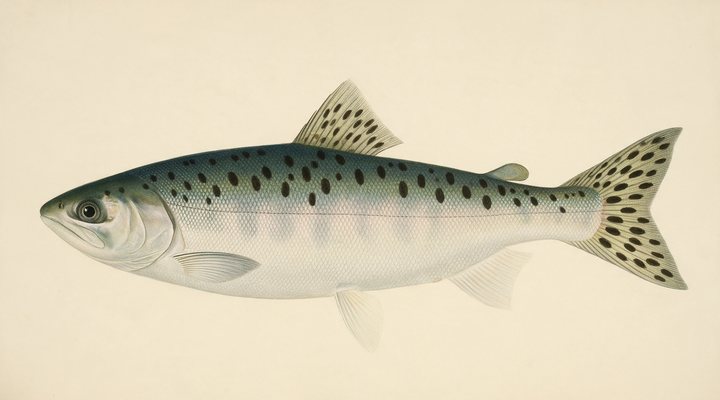
Pink salmon
Late summer, mainly in odd-numbered years in the south
The smallest and most numerous Pacific salmon. In the south of BC the big runs come in odd-numbered years; the fish crowd the estuaries and the lower rivers in August and September.
Activity by month: J1 F1 M1 A1 M1 J1 J3 A5 S4 O1 N1 D1 (1 slow, 5 peak)
- Hot water
- Cast small pink spoons and jigs to schools along the beaches and river mouths.
- Warm water
- Estuary and lower river fishing: small pink lures, slow retrieve.
- Cool water
- The run is over.
- Cold water
- Out of season.
Where we cover it: Vancouver, Campbell River, Victoria, Sooke, Nanaimo, Nootka Sound, Bamfield, Ucluelet, Port Alberni, Powell River, Pedder Bay, Tofino and 2 more.
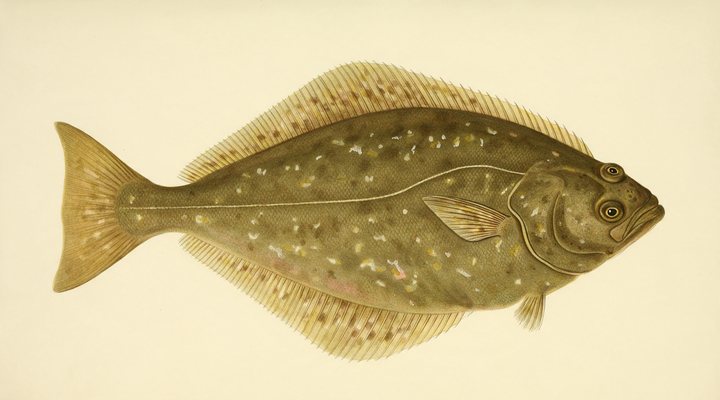
Pacific halibut
Spring and summer on the BC coast, under DFO limits
The big flatfish of the outer coast: Bamfield, Ucluelet, Tofino, Nootka and the north coast. Annual and daily limits and size rules are set by DFO and change during the season.
Activity by month: J1 F1 M2 A3 M4 J5 J5 A5 S3 O2 N1 D1 (1 slow, 5 peak)
- Hot water
- Anchor on the banks and humps in 40 to 100 metres with bait and a scent, or jig heavy plastics.
- Warm water
- Anchor or drift the banks with big baits on a spreader bar; fish the tide change.
- Cool water
- Fewer fish; the offshore banks on the calm days.
- Cold water
- Out of season or unfishable weather.
Where we cover it: Vancouver, Campbell River, Victoria, Sooke, Nanaimo, Nootka Sound, Bamfield, Ucluelet, Port Alberni, Powell River, Pedder Bay, Tofino and 2 more.
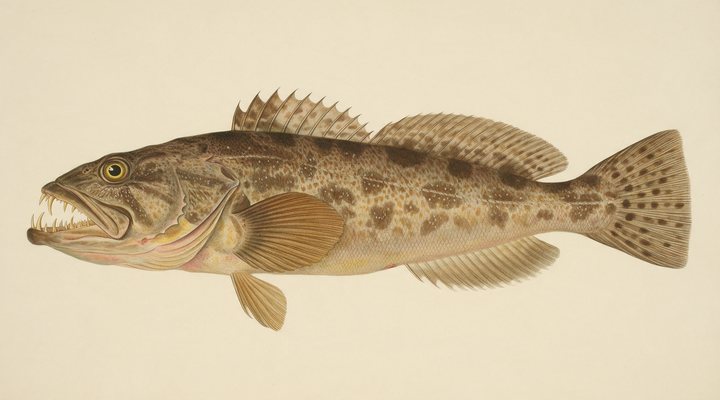
Lingcod
Spring to fall, with a winter closure in many areas
The toothy reef fish of the BC coast, on rock piles and pinnacles. Limits and closures vary by DFO management area.
Activity by month: J1 F1 M1 A2 M4 J5 J5 A5 S4 O3 N1 D1 (1 slow, 5 peak)
- Hot water
- Rock piles and pinnacles in 20 to 60 metres: heavy jigs and big plastics bounced on the bottom.
- Warm water
- Jig the rock edges and pinnacles on the tide change.
- Cool water
- Fish move shallower; jig the rocky points.
- Cold water
- Closed in many areas for the nesting season.
Where we cover it: Vancouver, Campbell River, Victoria, Sooke, Nanaimo, Nootka Sound, Bamfield, Ucluelet, Port Alberni, Powell River, Pedder Bay, Tofino and 2 more.
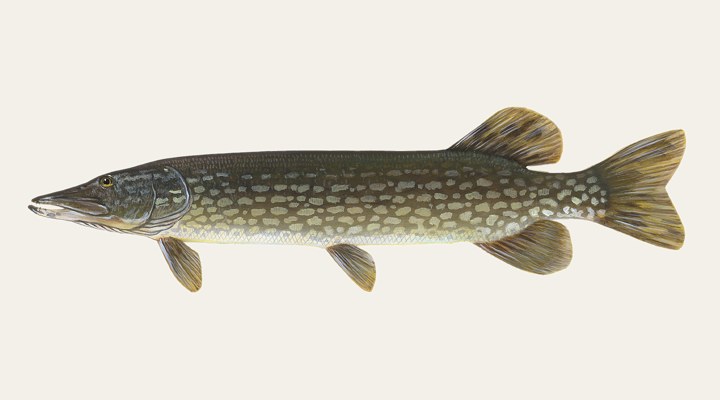
Spring, fall and the ice · Full guide: tackle, legal season and every water →
Called jackfish on the prairies. Found in almost every lake and slow river from Ontario to Alberta; big fish in the cold, deep lakes.
Activity by month: J4 F4 M4 A3 M5 J4 J3 A3 S4 O5 N4 D4 (1 slow, 5 peak)
- Hot water
- Big pike go deep and cool; small ones stay in the weeds. Spoons and spinnerbaits along the deep weed edges.
- Warm water
- Spinnerbaits, spoons and jerkbaits over the weed beds and along the points.
- Cool water
- The fall feed: big swimbaits and spoons in the shallows where the baitfish gather.
- Cold water
- Under the ice where it is safe: tip-ups with dead bait in the shallow bays.
Where we cover it: Lake Simcoe, Lake of the Woods, Lake Winnipeg, Detroit River, Lake St. Clair, Red River at Selkirk, Bay of Quinte, Lake Diefenbaker, Pigeon Lake, Rice Lake, Sylvan Lake, Tobin Lake and 1 more.
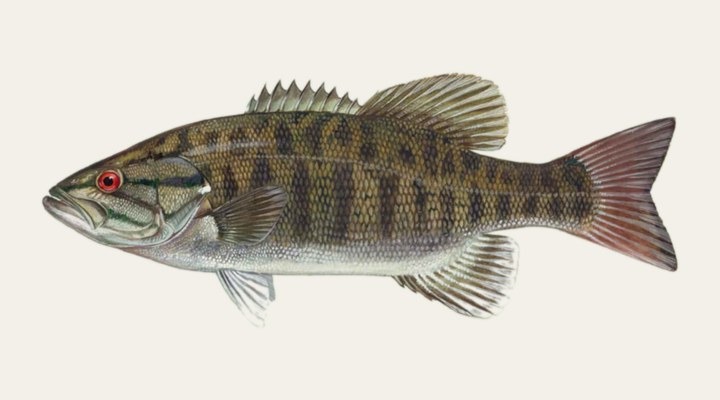
Opens late June in most of Ontario; best July to October · Full guide: tackle, legal season and every water →
The rock-and-current bass of the Great Lakes shores, the Bay of Quinte, the St. Lawrence and Lake St. Clair. The Ontario bass season opens in late June in most zones, after the nesting period.
Activity by month: J1 F1 M1 A2 M2 J3 J5 A5 S5 O4 N2 D1 (1 slow, 5 peak)
- Hot water
- Deep rock and current: tubes and drop shots on the humps and the shoals.
- Warm water
- The prime season: tubes, crankbaits and topwater along the rocky points and breaks.
- Cool water
- Fall schools on the deeper rock: jerkbaits and hair jigs.
- Cold water
- Closed or out of season in most waters.
Where we cover it: Lake Simcoe, Long Point Bay, Lake Erie, Niagara River, Erieau, Port Glasgow, Detroit River, Wheatley, Lake St. Clair, Bay of Quinte, Rice Lake, St. Lawrence River, Grand River.
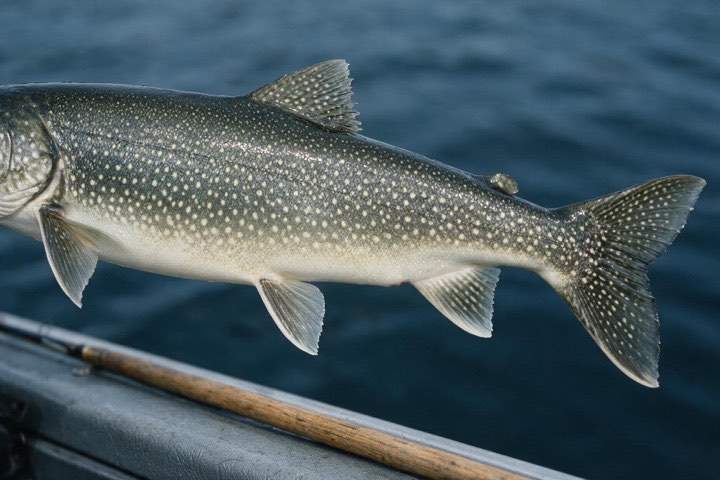
Ice season, and spring after ice-off · Full guide: tackle, legal season and every water →
The big char of cold, deep lakes: Lake Simcoe, the Kootenay and Shuswap systems, the northern lakes. A winter favourite through the ice, where the season allows.
Activity by month: J5 F5 M4 A4 M4 J3 J2 A2 S3 O3 N2 D4 (1 slow, 5 peak)
- Hot water
- Deep below the thermocline: troll spoons and plugs on downriggers or lead core.
- Warm water
- Deep water over humps and drop-offs; vertical jigging where you mark fish.
- Cool water
- Fish come shallower after the lake turns over; cast or troll the shoals.
- Cold water
- The ice season where it is open and the ice is safe: tube jigs and bucktails worked over 15 to 30 metres of water.
Where we cover it: Lake Simcoe, Lake of the Woods, Niagara River, Kootenay Lake, Lake Ontario, Lake Huron, Lake Superior.
Chum salmon
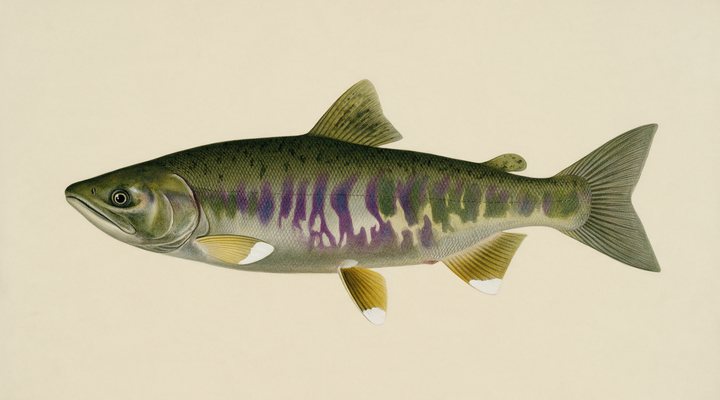
Fraser Valley and Island rivers: October and November
The late-fall salmon of the lower mainland and the Island, big and hard-fighting. Runs the Vedder, the Harrison and the Stave in numbers some years. Retention depends on the run and the DFO notice.
Activity by month: J1 F1 M1 A1 M1 J1 J1 A2 S3 O5 N5 D2 (1 slow, 5 peak)
- Hot water
- Not in the rivers yet.
- Warm water
- Not in the rivers yet.
- Cool water
- The run. Float fish pink and chartreuse jigs, wool or roe through the slower runs and the back eddies.
- Cold water
- Late fish hold in the lower river; slow presentations near the bottom.
Where we cover it: Vedder River, Fraser River at Mission, Capilano River, Cowichan River, Harrison River, Stave River, Squamish River.
Lakes: ice-off to June and September to freeze-up; rivers through the open season · Full guide: tackle, legal season and every water →
Canada’s most stocked sport fish, in thousands of BC, Alberta and prairie lakes and in the famous rivers, the Bow first among them. Wild rainbows in the rivers; stocked fish in most small lakes.
Activity by month: J3 F3 M3 A4 M5 J5 J3 A3 S4 O5 N4 D3 (1 slow, 5 peak)
- Hot water
- Lake fish drop below the thermocline. Troll or fish chironomids deep over the drop-offs at first light; in rivers, the shaded riffles.
- Warm water
- Prime time on the lakes after ice-off and in fall: chironomids and leeches under an indicator, or a slow troll with a small spoon. In rivers, dries and nymphs through the riffles.
- Cool water
- Fish shallower as the lake turns over; leeches and small lures along the shoals. Rivers fish best in the warmest hours.
- Cold water
- Under the ice where it is safe: small jigs and bait near the bottom in shallow bays. On open rivers, nymphs slow and deep.
Where we cover it: Bow River at Calgary, Elk River at Fernie, Kamloops, Tunkwa Lake, Kootenay Lake, Okanagan Lake at Kelowna.
Muskellunge
Opens in June in Ontario; best in fall
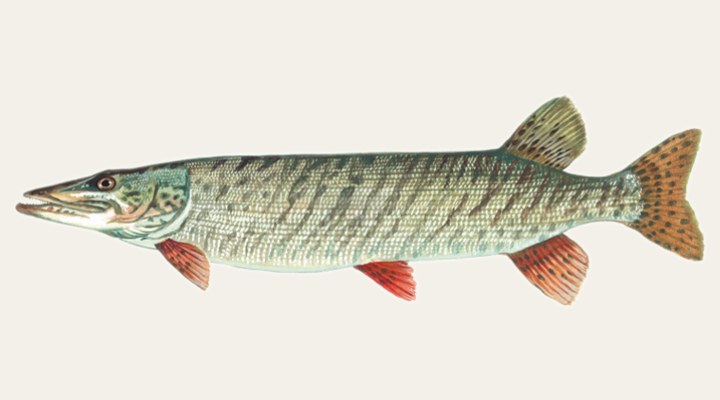
The trophy fish of Lake St. Clair, the St. Lawrence, the Detroit River and Lake of the Woods. Catch-and-release is the culture; minimum sizes are large where retention is allowed.
Activity by month: J1 F1 M1 A1 M1 J3 J4 A4 S5 O5 N4 D1 (1 slow, 5 peak)
- Hot water
- Early and late with big topwaters and bucktails along the weed edges.
- Warm water
- Bucktails, jerkbaits and trolling big crankbaits along the breaks.
- Cool water
- The trophy season: large swimbaits and trolling as the water cools.
- Cold water
- Out of season.
Where we cover it: Lake of the Woods, Detroit River, Lake St. Clair, Bay of Quinte, Rice Lake, St. Lawrence River.
Largemouth bass
Late June to October in Ontario
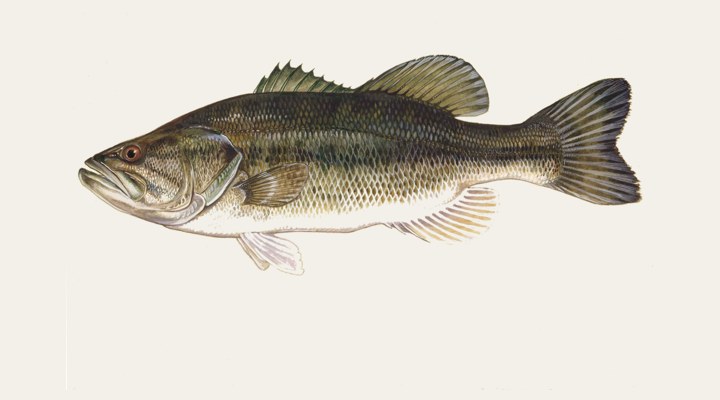
The weed and dock bass of southern Ontario, Rice Lake and the Bay of Quinte. Same season as smallmouth in most zones.
Activity by month: J1 F1 M1 A1 M2 J3 J5 A5 S5 O3 N1 D1 (1 slow, 5 peak)
- Hot water
- Heavy cover and shade: punch the weed mats and flip the docks.
- Warm water
- Topwater at dawn, then soft plastics and spinnerbaits along the weed lines.
- Cool water
- Fish follow the green weeds that remain; spinnerbaits and lipless cranks.
- Cold water
- Out of season.
Where we cover it: Detroit River, Lake St. Clair, Bay of Quinte, Rice Lake, St. Lawrence River.
Sockeye salmon
Summer, only when DFO opens a fishery
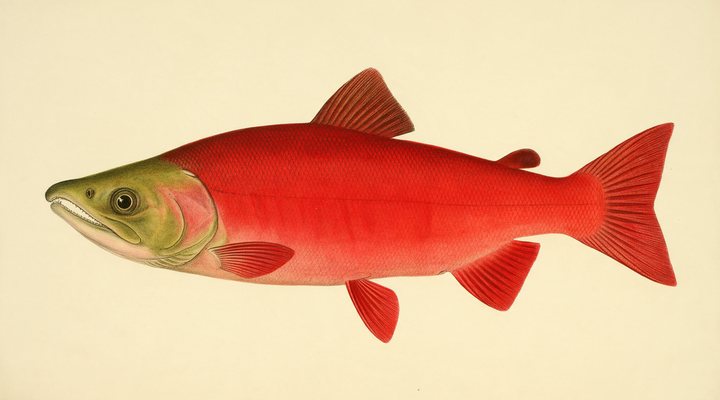
The Fraser and Skeena salmon, prized and tightly managed. Recreational sockeye fisheries open only by DFO notice in years when the run allows; many years they stay closed.
Activity by month: J1 F1 M1 A1 M1 J2 J4 A5 S3 O1 N1 D1 (1 slow, 5 peak)
- Hot water
- Only if DFO has opened a fishery: bottom-bouncing or bar fishing on the Fraser, where the rules allow it.
- Warm water
- Only if DFO has opened a fishery. Check the notice first.
- Cool water
- Out of season.
- Cold water
- Out of season.
Where we cover it: Fraser River at Mission, Skeena River at Terrace, Kitimat River, Bulkley River at Smithers.
Kokanee
Late spring and summer
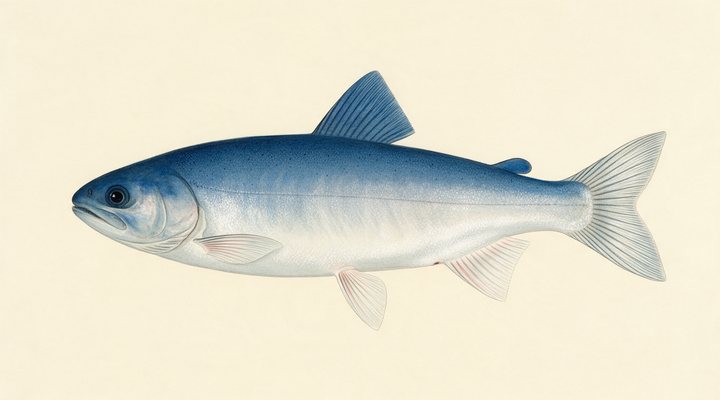
Landlocked sockeye of the BC interior lakes: Okanagan, Kootenay, Shuswap and many smaller lakes. Schools in open water and feeds on plankton.
Activity by month: J1 F1 M1 A2 M4 J5 J5 A4 S2 O1 N1 D1 (1 slow, 5 peak)
- Hot water
- Deep and early: small dodgers and hoochies tipped with corn on downriggers.
- Warm water
- Slow troll with a small dodger and a pink or orange lure through the schools you mark.
- Cool water
- Fish spawn in fall and leave the fishery.
- Cold water
- Out of season.
Where we cover it: Kamloops, Tunkwa Lake, Kootenay Lake, Okanagan Lake at Kelowna.
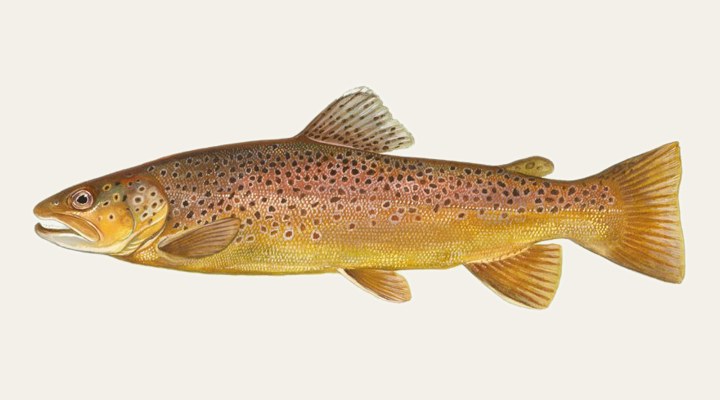
Brown trout
Best: spring and fall
The big-fish trout of the Bow below Calgary and of a handful of Alberta and Ontario rivers. Wary, nocturnal in summer and aggressive before the fall spawn.
Activity by month: J2 F2 M3 A4 M4 J4 J3 A3 S4 O5 N4 D2 (1 slow, 5 peak)
- Hot water
- Browns feed at night in the heat. Fish the last light and the first light with streamers and mice along the banks.
- Warm water
- Hatches bring browns up; fish dries and nymphs in the riffles, streamers under the banks on cloudy days.
- Cool water
- The pre-spawn fall bite: big streamers stripped along the banks and through the deep runs.
- Cold water
- Slow nymphs in the deep runs during the warmest hours; many waters close for the spawn.
Where we cover it: Bow River at Calgary, Elk River at Fernie, Grand River.
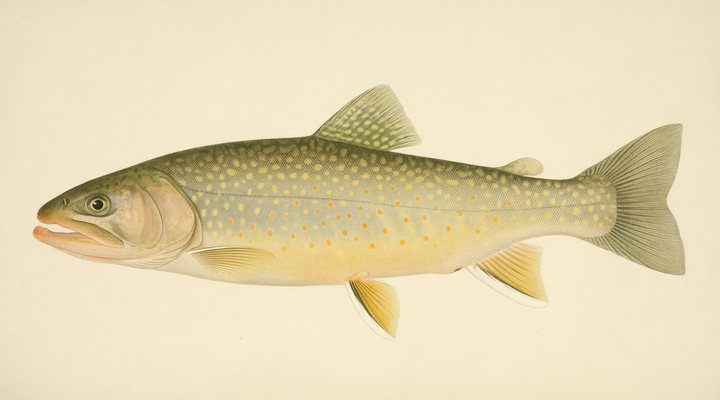
Bull trout
Summer and fall
A native char of the cold mountain rivers of BC and Alberta, a predator of other fish. Protected in Alberta, where every bull trout must be released; limits vary by water in BC.
Activity by month: J1 F1 M1 A2 M3 J4 J4 A4 S4 O3 N2 D1 (1 slow, 5 peak)
- Hot water
- Deep, cold pools below the riffles; big streamers at dawn.
- Warm water
- Streamers swung and stripped through the deep runs and around the logjams.
- Cool water
- Pre-spawn fish move upstream; large streamers in the pools.
- Cold water
- Slow and deep, if the water is open to fishing.
Where we cover it: Bow River at Calgary, Elk River at Fernie, Kootenay Lake.
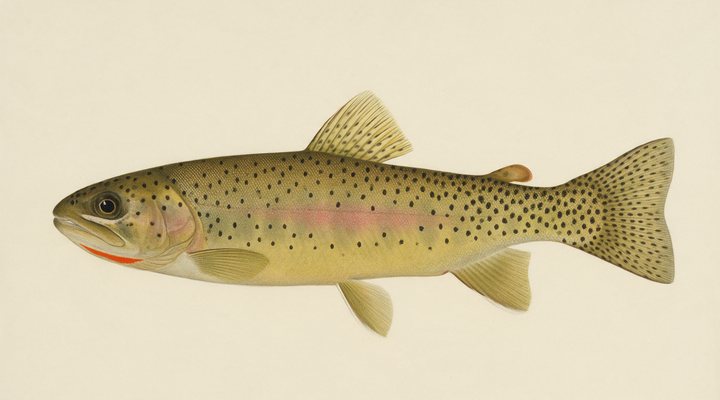
Westslope cutthroat trout
Summer and early fall
The native trout of the Elk River and the East Kootenay rivers, and of the Rocky Mountain headwaters of Alberta. Rises freely to dry flies; many waters are catch-and-release or have special limits.
Activity by month: J1 F1 M1 A1 M2 J4 J5 A5 S4 O2 N1 D1 (1 slow, 5 peak)
- Hot water
- Early and late: dries in the riffles and along the foam lines, and nymphs in the deeper runs at midday.
- Warm water
- The dry-fly season. Hoppers, stoneflies and attractors along the banks and the seams.
- Cool water
- Fish slow down; nymphs and small streamers in the deeper runs.
- Cold water
- Out of season in most waters, or very slow.
Where we cover it: Bow River at Calgary, Elk River at Fernie.
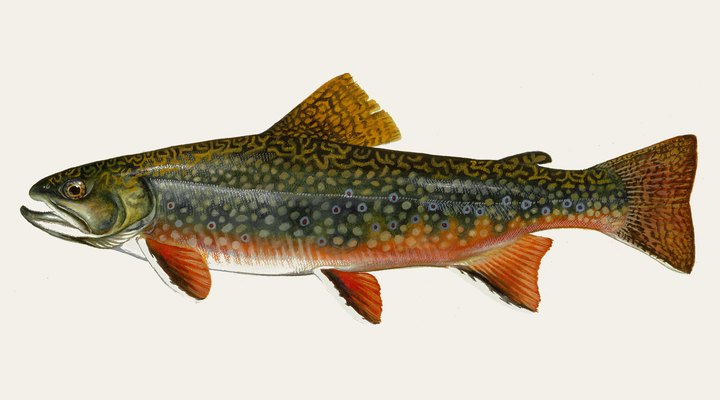
Brook trout
Spring, and the ice in winter
The native speckled trout of eastern Canada, in the rivers and lakes of Nova Scotia, New Brunswick and Ontario, and stocked in western lakes.
Activity by month: J3 F3 M3 A4 M5 J5 J3 A3 S4 O4 N3 D3 (1 slow, 5 peak)
- Hot water
- Brook trout need cold water: fish the spring holes and the mouths of cold tributaries at dawn.
- Warm water
- Small spinners, worms and flies in the riffles and along the shaded banks.
- Cool water
- The best of the year: fish move shallow and feed before the fall spawn.
- Cold water
- Through the ice where it is safe and open: small jigs and worms in the shallows.
Where we cover it: Miramichi River, Margaree River.
Atlantic salmon
Summer and fall runs, fly fishing only
The fish of the Miramichi and the Margaree. Fly fishing only, with retention rules by river and size (many rivers are catch-and-release for large salmon) and a salmon licence or tags on top of the general licence.
Activity by month: J1 F1 M1 A1 M2 J3 J4 A4 S5 O5 N3 D1 (1 slow, 5 peak)
- Hot water
- Warm water stresses salmon: fish only the early morning and check for warm-water closures.
- Warm water
- Wet flies swung through the pools and runs after a rise in water.
- Cool water
- The fall run: swung flies and dry flies on the pools as fish move up.
- Cold water
- The season is closed.
Where we cover it: Miramichi River, Margaree River.
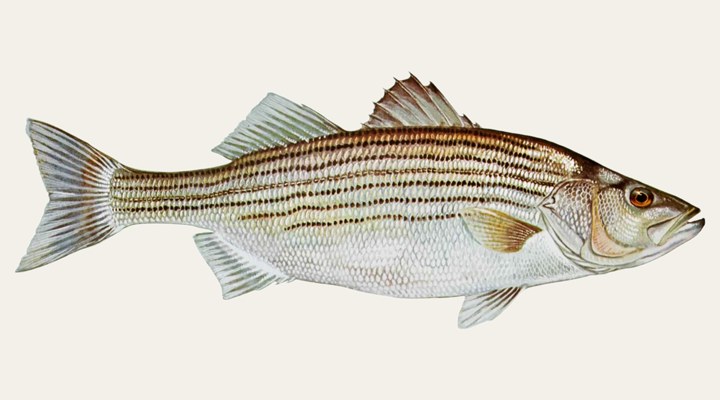
Striped bass
Spring on the Miramichi
A spring run in the Miramichi estuary, with retention limits set by DFO that change year to year.
Activity by month: J1 F1 M1 A2 M5 J4 J3 A3 S2 O1 N1 D1 (1 slow, 5 peak)
- Hot water
- Dawn and dusk along the estuary with surface plugs and soft plastics.
- Warm water
- Cast plugs and plastics to the rips and the flats on the moving tide.
- Cool water
- The run has passed.
- Cold water
- Out of season.
Where we cover it: Miramichi River, Margaree River.
Year-round, catch-and-release only · Full guide: tackle, legal season and every water →
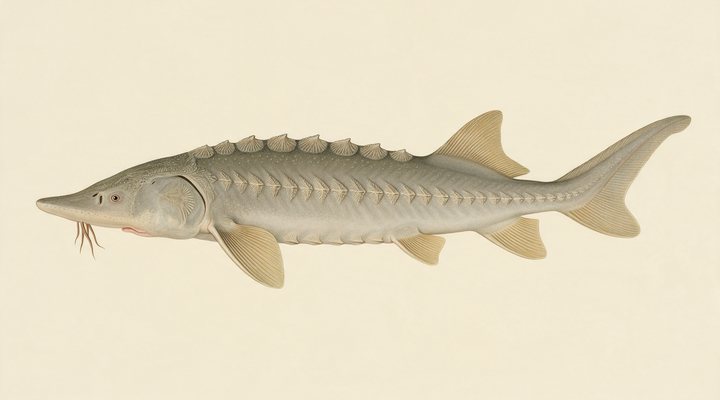
The giant of the Fraser River: catch-and-release only, with the separate White Sturgeon Conservation Licence and the handling rules in the BC synopsis. Fish must stay in the water.
Activity by month: J3 F3 M3 A4 M4 J4 J4 A5 S5 O5 N4 D3 (1 slow, 5 peak)
- Hot water
- Deep holes and the edges of the main current, with bait on the bottom; keep the fight short in warm water.
- Warm water
- Bait on the bottom in the back eddies and deep runs, following the salmon runs.
- Cool water
- The salmon runs bring the fish: roe and salmon parts in the deep holes.
- Cold water
- Deep, slow water with bait on the bottom; fewer fish, big fish.
Where we cover it: Fraser River at Mission.
Lake whitefish
The ice season
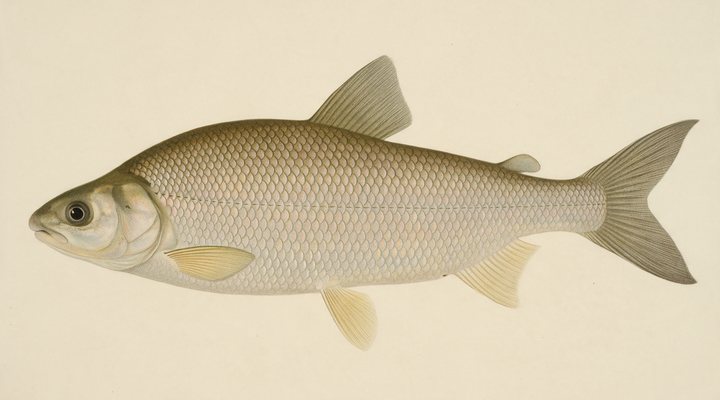
A cold-water schooling fish taken mostly through the ice, notably on Lake Simcoe. Soft mouth, subtle bite.
Activity by month: J5 F5 M4 A2 M2 J2 J2 A2 S2 O3 N3 D4 (1 slow, 5 peak)
- Hot water
- Deep and scattered; rarely targeted.
- Warm water
- Deep and scattered; rarely targeted.
- Cool water
- Fish come shallower as the lake cools; small jigs near the bottom.
- Cold water
- Through the ice where it is safe: small jigging spoons and flies tipped with a minnow or a wax worm near the bottom over 10 to 25 metres.
Where we cover it: Lake Simcoe.