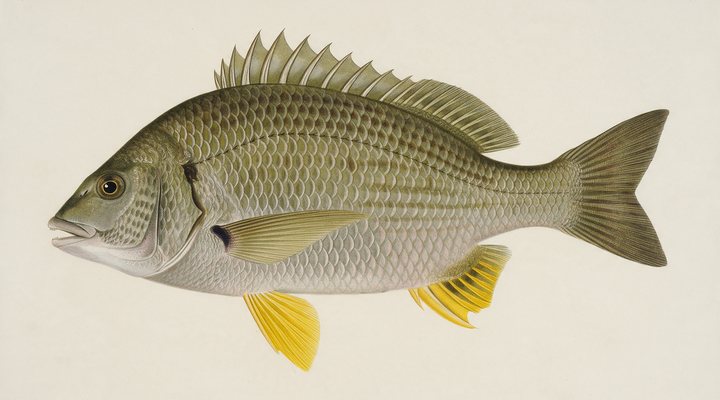
Bream
Good
Prime bream weather. Cast small vibes, crankbaits and 2 to 3 inch plastics at every piece of structure on the rising tide.
Updated Mon, 9 Nov 2026 from live weather and tide data
The lake south of Port Macquarie whose entrance opens and closes: bream, flathead and whiting in the lake and channel, and the beaches of Lake Cathie and Bonny Hills.
Sources: modelled tide curve, Open-Meteo, solunar calculated for these coordinates.
Lake Cathie has the water in the comfortable band where most of its fish feed through the day. Today brings clear skies, wind WSW around 11 km/h, rising pressure near 1019 hPa and a high of 21 °C. Tides: high 8:12 am and 8:30 pm, low 1:38 am and 2:38 pm: the moving water either side of each change is when this place feeds. Water sits around 22 °C for the season (estimated). With the new moon, the solunar majors run 11:46 PM-1:46 AM and 11:22 AM-1:22 PM: the windows to build the day around.
Prime bream weather. Cast small vibes, crankbaits and 2 to 3 inch plastics at every piece of structure on the rising tide.
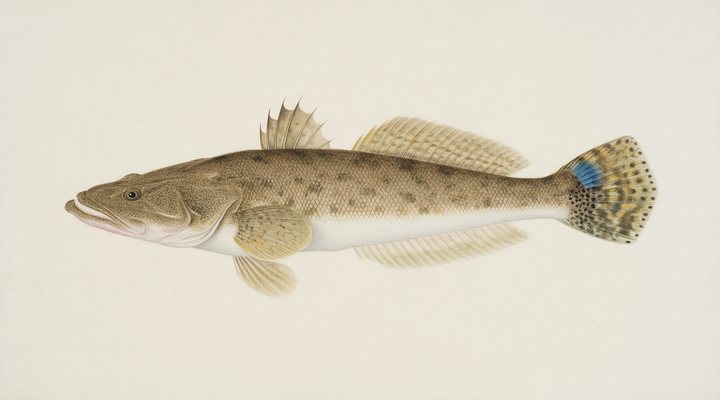
The best of it. Drift the sand and weed edges, bounce plastics or a strip of bait along the bottom, and cover ground until you find the school.
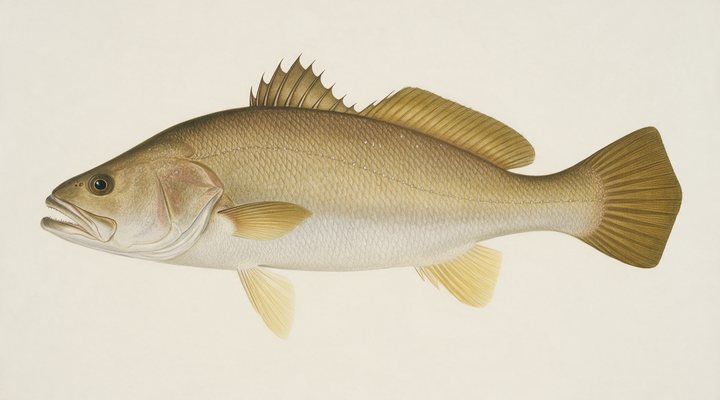
Fish the deep holes and the rock walls through a tide change after dark; live mullet, yellowtail or a large soft plastic worked slowly.
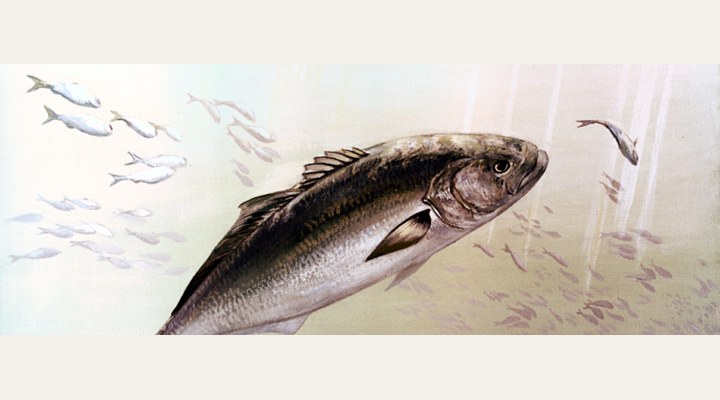
Rock ledges and beach gutters on the rising tide; metals cast and retrieved fast, or a whole pilchard drifted through the wash.
Tie on: Soft plastic on a 1/4 oz jighead · Small hardbody, shallow diver · Squid jig, size 3.0 · Fresh pipi or worm on a small hook. Prime windows: 11:46 PM-1:46 AM, 11:22 AM-1:22 PM, 4:48 AM-5:48 AM. Similar at 22 °C. The solunar majors shift about 50 minutes later.
New South Wales requires a fishing licence for most fishing, from A$7.00. New South Wales fishing licence: cost, rules and where to buy →
Chasing bream here? Check the size and bag limits with DPIRD NSW before you keep anything; the Bream page has the seasons and the tactics.
Hour-by-hour bite forecast for today from sunrise (05:45), sunset (19:19), the moon and today's score, with the modelled tide changes in the panel below. Tap a bar to see why.
Solunar majors 11:46 PM-1:46 AM and 11:22 AM-1:22 PM; minor 4:48 AM-5:48 AM. New Moon, 0% lit.
A modelled tide curve for these coordinates and the forecast for the day.
Modelled sea level curve from Open-Meteo Marine for these coordinates, datum mean sea level. Fish the moving water either side of each change.
A model, not the official prediction: times can drift by tens of minutes inside bays and estuaries. Check the Bureau of Meteorology tide predictions for the exact times before you rely on them.
Latest readings
Why the tide matters here: tides and fishing in Australia.
The best day on Lake Cathie this week looks like Friday 13 Nov, at 5 out of 5, against 2 today.
Best day this week: Friday, 13 Nov — excellent at 5/5, falling pressure, usually the best window of a week.
Conditions favor short windows and patient fishing.
Forecast-based scores, less reliable further out.
The species that matter on Lake Cathie: seasons written for the southern year, and how to fish each one. Today's ratings live in the report above.
Yellowfin bream on the east coast, black bream in the southern estuaries. Structure fish: rock walls, jetty piles, oyster racks, snags and pontoons. Prime bream weather. Cast small vibes, crankbaits and 2 to 3 inch plastics at every piece of structure on the rising tide.
Dusky flathead in the eastern estuaries, sand flathead in the southern bays. An ambush predator lying on sand and mud edges waiting for whatever the tide brings. The best of it. Drift the sand and weed edges, bounce plastics or a strip of bait along the bottom, and cover ground until you find the school.
Jewfish. The big silver prize of the estuaries, breakwalls and surf beaches: nocturnal, tide-driven and unforgiving of noise. Fish the deep holes and the rock walls through a tide change after dark; live mullet, yellowtail or a large soft plastic worked slowly.
The surf and rock fish of the east coast, running north in autumn and winter. Fast, toothy and best at dawn, dusk and into the dark. Rock ledges and beach gutters on the rising tide; metals cast and retrieved fast, or a whole pilchard drifted through the wash.
Activity by species and month for the southern year, and how the water warms and cools. Tap any cell.
1 = slow, 5 = peak. Current month highlighted. January is midsummer here.
Typical surface temperature for this water type in degrees Celsius; today is around 22 °C (estimated, not a reading).
Real reports from real anglers, reviewed before publishing. Nothing here is copied from a shop or a charter. The water log below tracks each day automatically.
3/5 Fair. Fish the windows. A steady pattern: dawn and dusk carry the day. Bream led the card at good. High of 21 °C, wind to 32 km/h.
5/5 Excellent. Go now. Everything lines up: pressure, wind and light are in your favor. Bream led the card at excellent. High of 27 °C, wind to 16 km/h.
5/5 Excellent. Go now. Everything lines up: pressure, wind and light are in your favor. Bream led the card at excellent. High of 23 °C, wind to 16 km/h.
NSW Recreational Fishing Fee, from A$7.00, the same for residents and visitors. Details and where to buy →
Size and bag limits, closed seasons and marine park zones are set by DPIRD NSW and change: confirm the current rules on the agency page linked from the New South Wales licence page before you keep anything.
The NSW Recreational Fishing Fee applies at Lake Cathie from A$7 for three days; the New South Wales licence page lists the longer periods.
Lake Cathie is a coastal town in New South Wales, Australia, covered from the New South Wales reports and listed in all Australia waters.
Lake Cathie is the coastal lake and village south of Port Macquarie, with a shallow lake behind the dunes, an entrance channel under the road bridge that opens to the sea and closes again as sand builds up, Lake Cathie beach outside and Bonny Hills to the south. The fishing changes with the entrance, and the report on this page is scored for the lake’s coordinates. Port Macquarie has its own page.
Bream are caught all year around the bridge, the channel and the lake edges; flathead lie on the flats and channel sand from spring to autumn; mulloway are taken in the channel at night when the lake is open; and tailor come in through the entrance and run the beach in the cooler months. Whiting feed on the flats in summer, and luderick come to the bridge in winter.
The bridge over the entrance channel is the obvious spot for bream and luderick when the lake is open and water is running, and the flats behind the village are for flathead and whiting on light tackle. Lake Cathie beach is for tailor and whiting, and the rocks toward Bonny Hills hold drummer and bream when the swell allows. When the entrance is closed, the lake fishes more like a still, shallow lagoon, and small soft plastics worked slowly over the flats are a good way to find flathead.
Whether the entrance is open decides whether the lake has a tide, and the modelled tide curve, labelled as a model, only applies when it is. The lake itself is sheltered, so wind matters more on the beaches and rocks, where a southerly can close the coast. Warm, settled weather tends to bring flathead up onto the shallow flats.
The NSW Recreational Fishing Fee applies at Lake Cathie from A$7 for three days; the New South Wales licence page lists the longer periods. Port Macquarie-Hastings is not one of the declared rock fishing lifejacket areas, and DPIRD’s bag and size limits apply in the lake and on the coast.
The entrance opens after the lake fills and closes when sand builds up; this page cannot show its current state, so check locally.
Bream at the bridge and in the channel, flathead on the flats, whiting in summer, luderick in winter and mulloway in the channel when the lake is open.
Yes. Unless exempt, you need the NSW Recreational Fishing Fee, from A$7 for three days.
Check the daily report at the top of this page: it is regenerated every morning from live data. Today's read: Slow. Work for them. Conditions favor short windows and patient fishing.
 Pablo Ruiz Quintero
Readings refresh on a 30-minute window. The full method, with every figure and its source, is on How our reports are made. Something wrong here? Tell us and it goes in the log with the date.