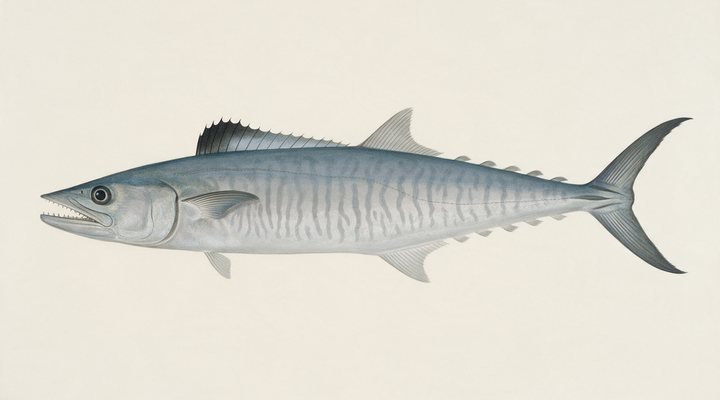
Spanish mackerel
Excellent
Prime. Trolled baits and hardbodies over structure on the tide change, or high-speed metals cast at surface schools.
Updated Fri, 25 Sept 2026 from live weather and tide data
The town on the Hinchinbrook Channel: the jetty, the creeks and the mangroves, with barra, jacks and grunter, and the island across the water.
Sources: modelled tide curve, Open-Meteo, solunar calculated for these coordinates.
Cardwell has the water in the comfortable band where most of its fish feed through the day. Today brings a mixed sky, wind SSW around 3 km/h, steady pressure near 1024 hPa and a high of 24 °C. Tides: high 7:25 am and 7:42 pm, low 1:34 am and 1:30 pm: the moving water either side of each change is when this place feeds. Water sits around 26 °C for the season (estimated). With the full moon, the solunar majors run 10:25 AM-12:25 PM and 10:25 PM-12:25 AM: the windows to build the day around.
Prime. Trolled baits and hardbodies over structure on the tide change, or high-speed metals cast at surface schools.
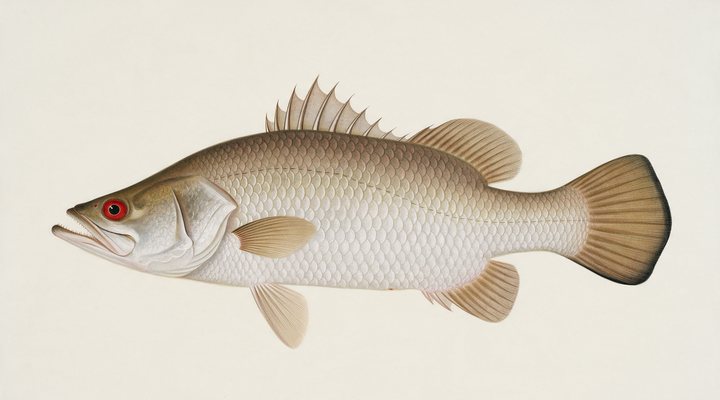
Work the colour changes and the snags on the run-out; larger swimbaits and slow-rolled plastics in the impoundments.
Tie on: Soft plastic on a 1/4 oz jighead · Small hardbody, shallow diver · Squid jig, size 3.0 · Fresh pipi or worm on a small hook. Prime windows: 10:25 AM-12:25 PM, 10:25 PM-12:25 AM, 4:55 AM-5:55 AM. Similar at 24 °C with likely rain: fish ahead of the front. The solunar majors shift about 50 minutes later.
Queensland has no general fishing licence, but rules and permits apply. Queensland fishing licence: cost, rules and where to buy →
Chasing barramundi here? Check the size and bag limits with Queensland DPI before you keep anything; the Barramundi page has the seasons and the tactics.
Hour-by-hour bite forecast for today from sunrise (06:03), sunset (18:12), the moon and today's score, with the modelled tide changes in the panel below. Tap a bar to see why.
Solunar majors 10:25 AM-12:25 PM and 10:25 PM-12:25 AM; minor 4:55 AM-5:55 AM. Full Moon, 99% lit.
A modelled tide curve for these coordinates and the forecast for the day.
Modelled sea level curve from Open-Meteo Marine for these coordinates, datum mean sea level. Fish the moving water either side of each change.
A model, not the official prediction: times can drift by tens of minutes inside bays and estuaries. Check the Bureau of Meteorology tide predictions for the exact times before you rely on them.
Latest readings
Why the tide matters here: tides and fishing in Australia.
Today is the pick of the week on Cardwell, at 4 out of 5. Every day is scored by the same engine as the report above: pressure trend first, then wind, sky and season. Pick a species and the plan for that day changes with it.
Best day this week: today, 25 Sept — good at 4/5, steady pressure, neither help nor hindrance.
Stable-to-falling pressure and workable wind line things up.
Scores are a planning aid built from forecast data, not a promise.
The species that matter on Cardwell: seasons written for the southern year, and how to fish each one. Today's ratings live in the report above.
Open now Closes 1 Nov 2026. Closed 1 November to 31 January on the east coast, tidal and fresh, except in the stocked dams the Queensland Government lists. No catch and release in the closure. Rule as read from Queensland Department of Primary Industries on 2026-09-23.
The north's fish. Tidal rivers, run-off creeks, rock bars and the stocked impoundments. Warm water, moving water and a barometer on the way down. Work the colour changes and the snags on the run-out; larger swimbaits and slow-rolled plastics in the impoundments.
The narrow-barred Spanish mackerel: a speedster of the headlands, reefs and shoals from Queensland around to northern WA, and a summer visitor to NSW. Prime. Trolled baits and hardbodies over structure on the tide change, or high-speed metals cast at surface schools.
Activity by species and month for the southern year, and how the water warms and cools. Tap any cell.
1 = slow, 5 = peak. Current month highlighted. January is midsummer here.
Typical surface temperature for this water type in degrees Celsius; today is around 26 °C (estimated, not a reading).
Real reports from real anglers, reviewed before publishing. Nothing here is copied from a shop or a charter. The water log below tracks each day automatically.
4/5 Good. Solid day ahead. Stable-to-falling pressure and workable wind line things up. Spanish mackerel led the card at excellent. High of 22 °C, wind to 10 km/h.
4/5 Good. Solid day ahead. Stable-to-falling pressure and workable wind line things up. Spanish mackerel led the card at excellent. High of 23 °C, wind to 11 km/h.
4/5 Good. Solid day ahead. Stable-to-falling pressure and workable wind line things up. Spanish mackerel led the card at excellent. High of 27 °C, wind to 14 km/h.
Queensland has no general recreational fishing licence; permits apply on some waters and the limits and closures do. Details and where to buy →
Size and bag limits, closed seasons and marine park zones are set by Queensland DPI and change: confirm the current rules on the agency page linked from the Queensland licence page before you keep anything.
Queensland has no general fishing licence, at Cardwell or anywhere; the barramundi closed season, the coral reef fin fish rules, the size and bag limits and the marine park zoning of the channel apply, on the pages linked below.
Cardwell is a coastal town in Queensland, Australia, covered from the Queensland reports and listed in all Australia waters.
Cardwell is the highway town on the shore of the Hinchinbrook Channel between Ingham and Tully, with the jetty and the foreshore facing Hinchinbrook Island, the creeks of Meunga, Five Mile and the Port Hinchinbrook marina, the mangroves of the channel and the reef beyond the island. It is a channel town, and the report on this page is scored for the town’s coordinates. Lucinda at the channel’s southern end has its own page.
Barramundi fish the creeks, the snags and the drains in the warm season and are the town’s fish, under the east coast closed season; mangrove jack fish the snags in summer; grunter and fingermark fish the channel holes and the jetty at night; queenfish and trevally work the jetty; Spanish mackerel run the reef and the island points in the cooler months; mud crabs work the creeks under the pot rules; and the reef gives coral trout and red emperor for the boats out of the marina. Salmon, both blue and king threadfin, fish the flats.
Cardwell jetty on the foreshore is the walk-on mark for grunter, fingermark and trevally, fished at night, and Meunga Creek south of the town and the Five Mile and Kennedy creeks are the barra and jack water for small boats on the run-out; the channel’s flats off the town are the threadfin salmon water. The ramps are at the town foreshore and the Port Hinchinbrook marina.
The island shelters the channel and the creeks fish in most weather; the wind row matters at the jetty and for the reef. The tide panel is a modelled curve for the coordinates of Cardwell, labelled as a model, and the creeks run on it, with the last of the run-out the barra tide. Pressure and sky build the score at Cardwell, and the rain row matters in the wet season; the planner shows the day.
Queensland has no general fishing licence, at Cardwell or anywhere; the barramundi closed season, the coral reef fin fish rules, the size and bag limits and the marine park zoning of the channel apply, on the pages linked below. The jetty, the foreshore and the creeks are public, with ramps at the town and the marina; the crocodile warnings are the other rule to read.
Barramundi in the creeks in the warm season, mangrove jack in summer, grunter and fingermark at the jetty at night, mackerel off the island in the cooler months, reef fish for the boats.
No. Queensland has no general recreational fishing licence; the limits and the closed seasons still apply.
Check the daily report at the top of this page: it is regenerated every morning from live data. Today's read: Good. Solid day ahead. Stable-to-falling pressure and workable wind line things up.
 Pablo Ruiz Quintero
Readings refresh on a 30-minute window. The full method, with every figure and its source, is on How our reports are made. Something wrong here? Tell us and it goes in the log with the date.