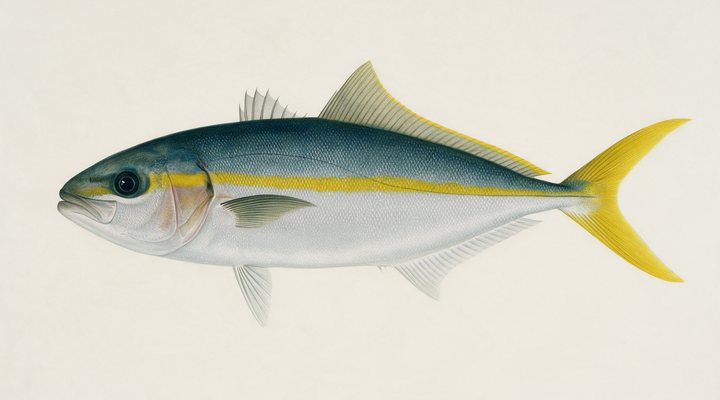
Yellowtail kingfish
Good
Prime. Cast stickbaits and poppers at surface activity, jig the deeper reefs, and keep a live bait out under a balloon.
Updated Mon, 9 Nov 2026 from live weather and tide data
The coloured cliffs, Inskip Point and the beach to Double Island Point: tailor gutters, whiting and the barge to K’gari at the top of the Cooloola coast.
Sources: modelled tide curve, Open-Meteo, solunar calculated for these coordinates.
Rainbow Beach sits in the warm band: moving baits, moving tides and fish on the edges. Today brings clear skies, wind NE around 14 km/h, rising pressure near 1018 hPa and a high of 23 °C. Tides: high 7:12 am and 7:12 pm, low 12:37 am and 1:34 pm: the moving water either side of each change is when this place feeds. Water sits around 20 °C for the season (estimated). With the new moon, the solunar majors run 10:21 AM-12:21 PM and 10:43 PM-12:43 AM: the windows to build the day around.
Prime. Cast stickbaits and poppers at surface activity, jig the deeper reefs, and keep a live bait out under a balloon.
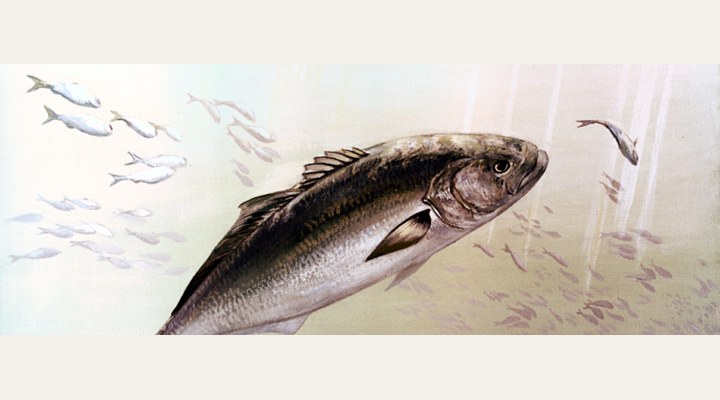
Rock ledges and beach gutters on the rising tide; metals cast and retrieved fast, or a whole pilchard drifted through the wash.
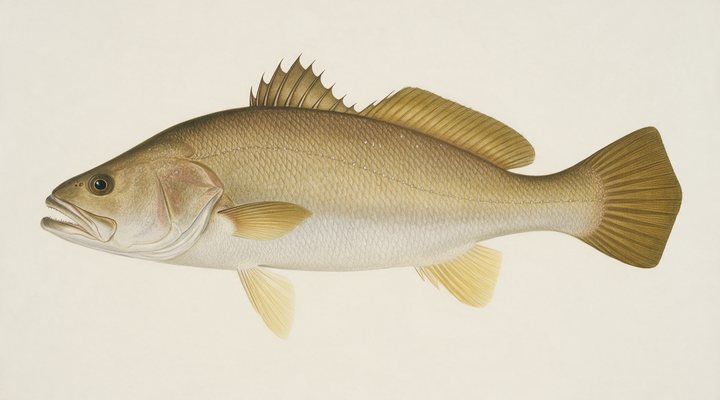
Fish the deep holes and the rock walls through a tide change after dark; live mullet, yellowtail or a large soft plastic worked slowly.
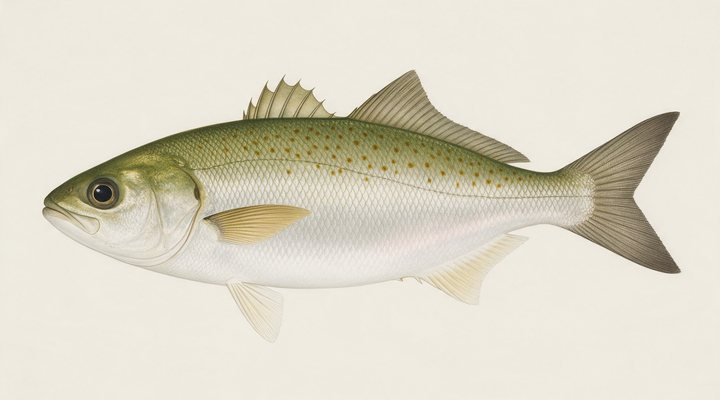
Look for birds and surface splashes along the beaches and in the bays; cast metals, plastics or ganged pilchards into the school.
Tie on: Soft plastic on a 1/4 oz jighead · Small hardbody, shallow diver · Squid jig, size 3.0 · Fresh pipi or worm on a small hook. Prime windows: 10:21 AM-12:21 PM, 10:43 PM-12:43 AM, 3:58 AM-4:58 AM. Similar at 25 °C with likely rain: fish ahead of the front. The solunar majors shift about 50 minutes later.
Queensland has no general fishing licence, but rules and permits apply. Queensland fishing licence: cost, rules and where to buy →
Chasing tailor here? Check the size and bag limits with Queensland DPI before you keep anything; the Tailor page has the seasons and the tactics.
Hour-by-hour bite forecast for today from sunrise (04:54), sunset (18:09), the moon and today's score, with the modelled tide changes in the panel below. Tap a bar to see why.
Solunar majors 10:21 AM-12:21 PM and 10:43 PM-12:43 AM; minor 3:58 AM-4:58 AM. New Moon, 0% lit.
A modelled tide curve for these coordinates and the forecast for the day.
Modelled sea level curve from Open-Meteo Marine for these coordinates, datum mean sea level. Fish the moving water either side of each change.
A model, not the official prediction: times can drift by tens of minutes inside bays and estuaries. Check the Bureau of Meteorology tide predictions for the exact times before you rely on them.
Latest readings
Why the tide matters here: tides and fishing in Australia.
The best day on Rainbow Beach this week looks like Tuesday 10 Nov, at 4 out of 5, against 2 today.
Best day this week: Tuesday, 10 Nov — good at 4/5, rising pressure behind a front, typically the slowest.
Conditions favor short windows and patient fishing.
Forecast-based scores, less reliable further out.
The species that matter on Rainbow Beach: seasons written for the southern year, and how to fish each one. Today's ratings live in the report above.
The surf and rock fish of the east coast, running north in autumn and winter. Fast, toothy and best at dawn, dusk and into the dark. Rock ledges and beach gutters on the rising tide; metals cast and retrieved fast, or a whole pilchard drifted through the wash.
Jewfish. The big silver prize of the estuaries, breakwalls and surf beaches: nocturnal, tide-driven and unforgiving of noise. Fish the deep holes and the rock walls through a tide change after dark; live mullet, yellowtail or a large soft plastic worked slowly.
The hardest-pulling fish within reach of the shore. Headlands, harbour markers, offshore reefs and the warm current in summer. Prime. Cast stickbaits and poppers at surface activity, jig the deeper reefs, and keep a live bait out under a balloon.
Not a salmon at all: a hard-fighting schooling fish of the surf and the bays, from WA around to NSW. Great on light gear, poor on the plate. Look for birds and surface splashes along the beaches and in the bays; cast metals, plastics or ganged pilchards into the school.
Activity by species and month for the southern year, and how the water warms and cools. Tap any cell.
1 = slow, 5 = peak. Current month highlighted. January is midsummer here.
Typical surface temperature for this water type in degrees Celsius; today is around 20 °C (estimated, not a reading).
Real reports from real anglers, reviewed before publishing. Nothing here is copied from a shop or a charter. The water log below tracks each day automatically.
4/5 Good. Solid day ahead. Stable-to-falling pressure and workable wind line things up. Yellowtail kingfish led the card at excellent. High of 32 °C, wind to 23 km/h.
4/5 Good. Solid day ahead. Stable-to-falling pressure and workable wind line things up. Yellowtail kingfish led the card at excellent. High of 27 °C, wind to 14 km/h.
4/5 Good. Solid day ahead. Stable-to-falling pressure and workable wind line things up. Yellowtail kingfish led the card at excellent. High of 26 °C, wind to 21 km/h.
Queensland has no general recreational fishing licence; permits apply on some waters and the limits and closures do. Details and where to buy →
Size and bag limits, closed seasons and marine park zones are set by Queensland DPI and change: confirm the current rules on the agency page linked from the Queensland licence page before you keep anything.
Queensland has no general fishing licence; the size and bag limits, the closed seasons and the Great Sandy Marine Park zoning apply, and Double Island Point is where Queensland Parks puts the park’s southern end.
Rainbow Beach is a coastal town in Queensland, Australia, covered from the Queensland reports and listed in all Australia waters.
Rainbow Beach is a small town on the Cooloola coast of Queensland, north of Noosa and south of K’gari, named for the coloured sand cliffs behind its beach. The fishing is the beach: south along the Cooloola sands to Double Island Point, where the rock platform and the lee beach are the classic marks, and north to Inskip Point, where the barge leaves for the island and the Great Sandy Strait opens behind it. The strait and Tin Can Bay give calm water and flats; the offshore reefs off Double Island Point are for the boats.
Tailor are the beach fish of the cooler months, in the gutters at dawn and dusk and off the rocks at Double Island Point; dart and whiting fish the gutters in summer; bream fish the rocks and the strait all year; and mulloway are the night fish of the deeper gutters and Inskip Point. The strait and Tin Can Bay give flathead, whiting and crabs in calm water, the rock platform at the point turns up trevally, tuna and the odd pelagic, and the reefs offshore fish for snapper in winter, when the east coast snapper and pearl perch closure from 15 July to 15 August applies, and the reef species in season.
The beach is the whole game and the wind and swell run it: a south-easterly builds the surf and puts weed in the gutters while it makes the lee side of Double Island Point fishable, a westerly flattens the beach. Pressure and sky build the score and the planner shows the day; the tide panel is a modelled curve for these coordinates, labelled as a model, and the gutters fish on the falling tide, so use the curve for direction and the Bureau of Meteorology prediction for the minute. The sand is also the highway to Double Island Point, and the tide decides when it can be driven.
Queensland has no general fishing licence; the size and bag limits, the closed seasons and the Great Sandy Marine Park zoning apply, and Double Island Point is where Queensland Parks puts the park’s southern end. Those rules sit on the Queensland Government pages in the sources. Driving the Cooloola beaches needs a vehicle access permit from Queensland Parks, which also warns that natural sand movement can cut access to Double Island Point; Inskip Point and the town beach are walk-on, and the state facility list has ramps at Carlo Point and at Norman Point in Tin Can Bay.
No. Queensland has no recreational fishing licence; limits, closed seasons and marine park zones apply, and driving the Cooloola beaches needs a vehicle access permit.
Tailor in the cooler months, dart and whiting in summer, bream and trevally off the rocks and mulloway at night.
Check the daily report at the top of this page: it is regenerated every morning from live data. Today's read: Slow. Work for them. Conditions favor short windows and patient fishing.
 Pablo Ruiz Quintero
Readings refresh on a 30-minute window. The full method, with every figure and its source, is on How our reports are made. Something wrong here? Tell us and it goes in the log with the date.