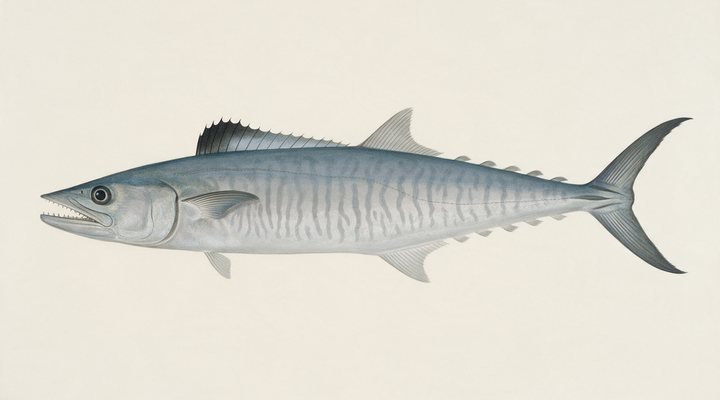
Spanish mackerel
Excellent
Prime. Trolled baits and hardbodies over structure on the tide change, or high-speed metals cast at surface schools.
Updated Fri, 25 Sept 2026 from live weather and tide data
The Ningaloo coast: a gulf on one side, the reef on the other, and a fishery of pelagics, bonefish flats and the deep water off the North West Cape.
Sources: modelled tide curve, Open-Meteo, solunar calculated for these coordinates.
Exmouth has the water in the comfortable band where most of its fish feed through the day. Today brings clear skies, wind SSW around 18 km/h, steady pressure near 1017 hPa and a high of 32 °C. Tides: high 10:05 am and 10:21 pm, low 3:58 am and 4:09 pm: the moving water either side of each change is when this place feeds. Water sits around 26 °C for the season (estimated). With the full moon, the solunar majors run 10:25 AM-12:25 PM and 10:25 PM-12:25 AM: the windows to build the day around.
Prime. Trolled baits and hardbodies over structure on the tide change, or high-speed metals cast at surface schools.
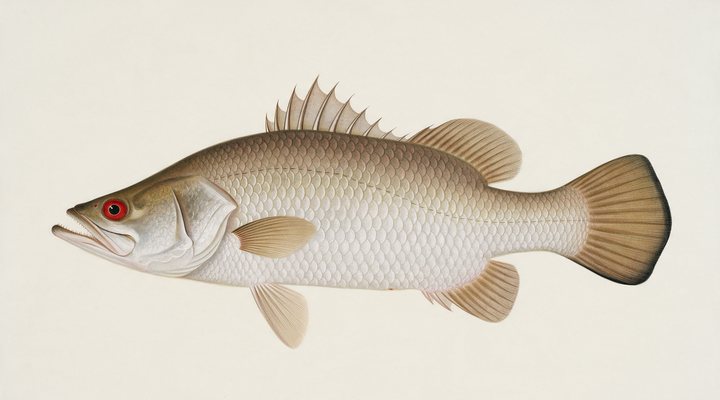
Work the colour changes and the snags on the run-out; larger swimbaits and slow-rolled plastics in the impoundments.
Tie on: Soft plastic on a 1/4 oz jighead · Small hardbody, shallow diver · Squid jig, size 3.0 · Fresh pipi or worm on a small hook. Prime windows: 10:25 AM-12:25 PM, 10:25 PM-12:25 AM, 4:55 AM-5:55 AM. Similar at 33 °C. The solunar majors shift about 50 minutes later.
Western Australia requires a fishing licence for most fishing, from A$40.00. Western Australia fishing licence: cost, rules and where to buy →
Chasing barramundi here? Check the size and bag limits with DPIRD WA before you keep anything; the Barramundi page has the seasons and the tactics.
Hour-by-hour bite forecast for today from sunrise (06:10), sunset (18:20), the moon and today's score, with the modelled tide changes in the panel below. Tap a bar to see why.
Solunar majors 10:25 AM-12:25 PM and 10:25 PM-12:25 AM; minor 4:55 AM-5:55 AM. Full Moon, 99% lit.
A modelled tide curve for these coordinates and the forecast for the day.
Modelled sea level curve from Open-Meteo Marine for these coordinates, datum mean sea level. Fish the moving water either side of each change.
A model, not the official prediction: times can drift by tens of minutes inside bays and estuaries. Check the Bureau of Meteorology tide predictions for the exact times before you rely on them.
Latest readings
Why the tide matters here: tides and fishing in Australia.
The best day on Exmouth this week looks like Sunday 27 Sept, at 4 out of 5, against 3 today. Every day is scored by the same engine as the report above: pressure trend first, then wind, sky and season. Pick a species and the plan for that day changes with it.
Best day this week: Sunday, 27 Sept — good at 4/5, steady pressure, neither help nor hindrance.
A steady pattern: dawn and dusk carry the day.
Scores are a planning aid built from forecast data, not a promise.
The species that matter on Exmouth: seasons written for the southern year, and how to fish each one. Today's ratings live in the report above.
The north's fish. Tidal rivers, run-off creeks, rock bars and the stocked impoundments. Warm water, moving water and a barometer on the way down. Work the colour changes and the snags on the run-out; larger swimbaits and slow-rolled plastics in the impoundments.
The narrow-barred Spanish mackerel: a speedster of the headlands, reefs and shoals from Queensland around to northern WA, and a summer visitor to NSW. Prime. Trolled baits and hardbodies over structure on the tide change, or high-speed metals cast at surface schools.
Activity by species and month for the southern year, and how the water warms and cools. Tap any cell.
1 = slow, 5 = peak. Current month highlighted. January is midsummer here.
Typical surface temperature for this water type in degrees Celsius; today is around 26 °C (estimated, not a reading).
Real reports from real anglers, reviewed before publishing. Nothing here is copied from a shop or a charter. The water log below tracks each day automatically.
2/5 Slow. Work for them. Conditions favor short windows and patient fishing. Spanish mackerel led the card at excellent. High of 32 °C, wind to 27 km/h.
2/5 Slow. Work for them. Conditions favor short windows and patient fishing. Spanish mackerel led the card at excellent. High of 31 °C, wind to 31 km/h.
3/5 Fair. Fish the windows. A steady pattern: dawn and dusk carry the day. Spanish mackerel led the card at excellent. High of 33 °C, wind to 31 km/h.
Western Australian recreational fishing licences, from A$40.00, the same for residents and visitors. Details and where to buy →
Size and bag limits, closed seasons and marine park zones are set by DPIRD WA and change: confirm the current rules on the agency page linked from the Western Australia licence page before you keep anything.
Line fishing from the shore is not among Western Australia’s licensed activities; fishing from a boat needs the boat licence, and the Ningaloo Marine Park has sanctuary zones and gear rules that DPIRD and the parks service publish; our Western Australia licence page has the fees.
Exmouth is a coastal town in Western Australia, Australia, covered from the Western Australia reports and listed in all Australia waters.
Exmouth sits at the top of the North West Cape in Western Australia, with Exmouth Gulf on its eastern side and the Ningaloo Reef, the fringing reef that runs for hundreds of kilometres down the western coast, on the other. That gives the town two fisheries a few kilometres apart: the sheltered, muddy gulf of creeks, flats and mangroves, and the reef with its lagoon, its passages and the deep water close outside where the marlin and the tuna live. The marina, the town beach and the ramps at Bundegi and Tantabiddi are the launching points; the sanctuary zones of the Ningaloo Marine Park are the first map to read. The report on this page is scored for the town’s coordinates.
The gulf gives queenfish, trevally, mangrove jack, grunter and, in the creeks and on the flats, barramundi at the southern edge of their range and the bonefish and permit that make the flats famous with fly anglers; the reef lagoon gives spangled emperor, coral trout and the reef species; the passages and the deep water outside give Spanish mackerel, tuna, sailfish and marlin in their seasons, which the boats work through the winter dry and the spring. Squid work the weed of the gulf. Water temperature is high all year and the seasonal curve on this page is an estimate for a tropical coast.
The wind runs everything: the sea breeze and the winter easterlies decide whether the reef passages and the outside water are fishable, and the gulf is the fallback when they are not. Pressure and sky build the score and the planner shows the window; the tide panel is a modelled curve for these coordinates, labelled as a model, and the flats and the creeks of the gulf fish on the tide, so use the curve for the direction and the Bureau of Meteorology page for the times.
Line fishing from the shore is not among Western Australia’s licensed activities; fishing from a boat needs the boat licence, and the Ningaloo Marine Park has sanctuary zones and gear rules that DPIRD and the parks service publish; our Western Australia licence page has the fees. The town beach, the gulf foreshore and the reef beaches inside the national park are public, with ramps at the marina, Bundegi and Tantabiddi.
Not for line fishing from the shore; fishing from a boat needs the boat licence, and the marine park zones apply. See our Western Australia page.
Queenfish, trevally, mangrove jack and grunter, barramundi in the creeks, bonefish and permit on the flats, and squid over the weed.
Check the daily report at the top of this page: it is regenerated every morning from live data. Today's read: Fair. Fish the windows. A steady pattern: dawn and dusk carry the day.
 Pablo Ruiz Quintero
Readings refresh on a 30-minute window. The full method, with every figure and its source, is on How our reports are made. Something wrong here? Tell us and it goes in the log with the date.