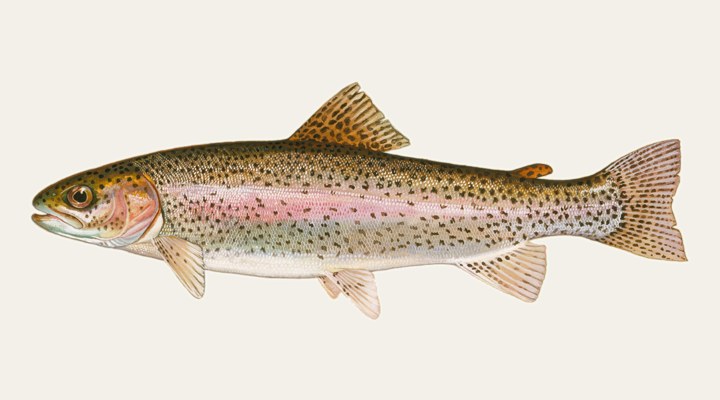
Rainbow trout
Slow
Winter lakes: bait on the bottom in the deeper bays through the middle of the day, or polaroiding the shallows on the bright days in Tasmania.
Updated Sun, 27 Sept 2026 from live weather and tide data
The reservoir south-east of Canberra: trout, golden perch and cod in a water the ACT manages and New South Wales licenses, with a level read from the Bureau.
Sources: Bureau of Meteorology gauge 410748, Open-Meteo, solunar calculated for these coordinates.
Googong Reservoir has cold water and fish that move for very little; fish the sunniest hours. The gauge reads 662.79 m, holding steady. Today brings cloud cover, wind SSE around 5 km/h, falling pressure near 1030 hPa and a high of 12 °C. Water sits around 8 °C for the season (estimated). With the full moon, the solunar majors run 12:06 AM-2:06 AM and 12:06 PM-2:06 PM: the windows to build the day around.
Winter lakes: bait on the bottom in the deeper bays through the middle of the day, or polaroiding the shallows on the bright days in Tasmania.
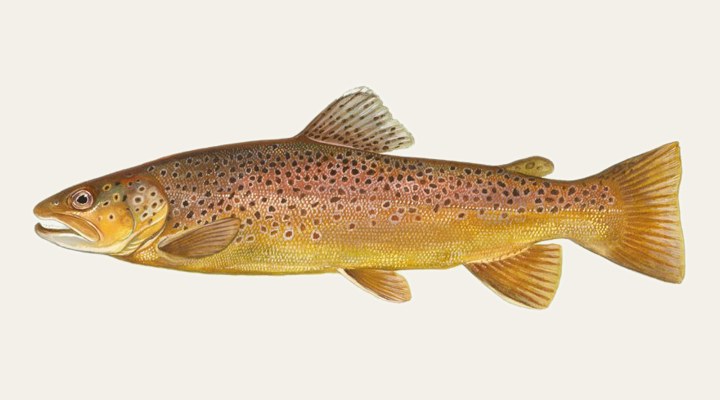
The lake fishery: bait or slow lures in the deeper bays; the rivers are closed in NSW and Victoria.
Tie on: Bait on the bottom, running sinker · Heavy blade, deep · Slow-rolled swimbait · Live bait, deepest hole. Prime windows: 12:06 AM-2:06 AM, 12:06 PM-2:06 PM, 6:36 AM-7:36 AM. Warmer at 16 °C. The solunar majors shift about 50 minutes later.
New South Wales requires a fishing licence for most fishing, from A$7.00. New South Wales fishing licence: cost, rules and where to buy →
Chasing rainbow trout here? Check the size and bag limits with DPIRD NSW before you keep anything; the Rainbow trout page has the seasons and the tactics.
Hour-by-hour bite forecast for today from sunrise (05:46), sunset (18:03), the moon and today's score. Tap a bar to see why.
Solunar majors 12:06 AM-2:06 AM and 12:06 PM-2:06 PM; minor 6:36 AM-7:36 AM. Full Moon, 99% lit.
Live readings from Bureau of Meteorology station 410748 (Googong Res at Dam).
Bureau of Meteorology Water Data Online, station 410748. Latest reading 2026-09-25 18:00.
Latest readings
The best day on Googong Reservoir this week looks like Monday 28 Sept, at 4 out of 5, against 3 today. Every day is scored by the same engine as the report above: pressure trend first, then wind, sky and season. Pick a species and the plan for that day changes with it.
Best day this week: Monday, 28 Sept — good at 4/5, falling pressure, usually the best window of a week.
A steady pattern: dawn and dusk carry the day.
Scores are a planning aid built from forecast data, not a promise.
The species that matter on Googong Reservoir: seasons written for the southern year, and how to fish each one. Today's ratings live in the report above.
Open all year No closed season in lakes and dams; the winter closure applies to streams only. Rule as read from DPIRD NSW on 2026-09-23.
The stocked lakes of the Snowy Mountains, the Victorian highlands and the Tasmanian central plateau. Closed seasons apply on the rivers: check the state rules. Winter lakes: bait on the bottom in the deeper bays through the middle of the day, or polaroiding the shallows on the bright days in Tasmania.
Open all year No closed season in lakes and dams; the winter closure applies to streams only. Rule as read from DPIRD NSW on 2026-09-23.
The wild trout of the highland rivers and Tasmania's lakes. Spawns in autumn, hence the closed rivers through winter in NSW and Victoria. The lake fishery: bait or slow lures in the deeper bays; the rivers are closed in NSW and Victoria.
Activity by species and month for the southern year, and how the water warms and cools. Tap any cell.
1 = slow, 5 = peak. Current month highlighted. January is midsummer here.
Typical surface temperature for this water type in degrees Celsius; today is around 8 °C (estimated, not a reading).
Real reports from real anglers, reviewed before publishing. Nothing here is copied from a shop or a charter. The water log below tracks each day automatically.
3/5 Fair. Fish the windows. A steady pattern: dawn and dusk carry the day. Rainbow trout led the card at slow. High of 24 °C, wind to 18 km/h.
3/5 Fair. Fish the windows. A steady pattern: dawn and dusk carry the day. Rainbow trout led the card at slow. High of 22 °C, wind to 14 km/h.
4/5 Good. Solid day ahead. Stable-to-falling pressure and workable wind line things up. Rainbow trout led the card at fair. High of 22 °C, wind to 11 km/h.
NSW Recreational Fishing Fee, from A$7.00, the same for residents and visitors. Details and where to buy →
Size and bag limits, closed seasons and marine park zones are set by DPIRD NSW and change: confirm the current rules on the agency page linked from the New South Wales licence page before you keep anything.
The NSW Recreational Fishing Fee applies at Googong, from A$7 for three days, even though the ACT manages the reservoir; our New South Wales licence page has the fees.
Googong Reservoir is a lake in New South Wales, Australia, covered from the New South Wales reports and listed in all Australia waters.
Googong Reservoir is the storage on the Queanbeyan River south-east of Canberra, a long, deep lake in dry hills that supplies the capital and is managed by the ACT Parks and Conservation Service, though it sits inside New South Wales: which is why the New South Wales rules and fee apply on its banks and why the ACT licence page on this site sends people here. It is a shore fishery for the most part, with a foreshore recreation area at the dam end, walking access along the shore and no powered boats, and it fishes for trout in the cold months and natives in the warm ones. The storage level in the report comes from the Bureau of Meteorology’s gauge at the dam, stamped with the time of the reading.
Brown and rainbow trout are the cool-season fish, stocked and taken from the bank along the drop-offs and the points from autumn through spring on bait, lures and flies; golden perch fish the timber and the points from spring to autumn; Murray cod are stocked and fish the same water in the warmer months, with the closed season from September to November that DPIRD publishes; and redfin and carp are present, with the rules on carp. The reservoir has the general trout waters limits of New South Wales rather than the trout stream ones.
The level is in the report and the 30-day chart, and it matters because a rising lake floods the grass edges where the trout and the perch feed and a falling one pulls the fish to the points; the wind row decides which shore to fish, because the reservoir is long and a westerly funnels down it. The barometer and the cloud fill in the score; the water temperature is a seasonal estimate for a tableland reservoir, labelled as such; and the planner picks the day.
The NSW Recreational Fishing Fee applies at Googong, from A$7 for three days, even though the ACT manages the reservoir; our New South Wales licence page has the fees. The foreshore recreation area and the walking tracks are public under the ACT parks service’s rules, which ban powered boats and set the hours; the DPIRD limits, the cod closed season and the trout rules are on the pages in the sources.
The NSW Recreational Fishing Fee, from A$7 for three days: the reservoir is in New South Wales even though the ACT manages it. See our New South Wales licence page.
The ACT parks service’s rules for the reservoir ban powered boats and set the access hours; its page is linked in the sources.
Check the daily report at the top of this page: it is regenerated every morning from live data. Today's read: Fair. Fish the windows. A steady pattern: dawn and dusk carry the day.
 Pablo Ruiz Quintero
Readings refresh on a 30-minute window. The full method, with every figure and its source, is on How our reports are made. Something wrong here? Tell us and it goes in the log with the date.