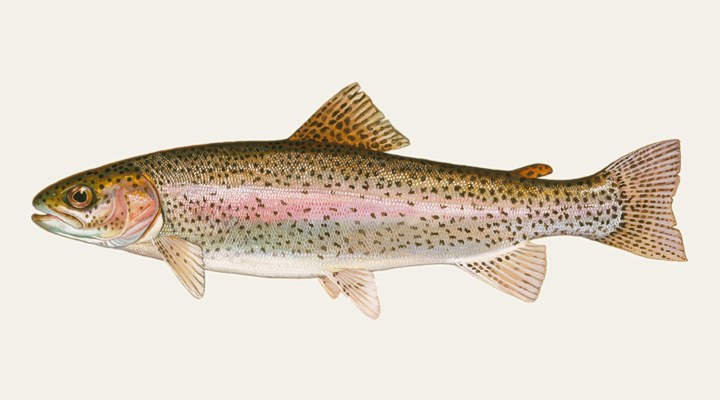
Rainbow trout
Excellent
Prime. Shore fishing along the edges with bait, spinners and flies, and the rivers if the season is open.
Updated Mon, 9 Nov 2026 from live weather and tide data
The Central Highlands rainbow trout water off the Victoria Valley Road: stocked rainbows and wild browns, lure and fly only, the rainbow-water season and a Bureau gauge.
Sources: Bureau of Meteorology gauge 179.1, Open-Meteo, solunar calculated for these coordinates.
Dee Lagoon has cool water and fish holding a little deeper and slower. The gauge reads 655.32 m, holding steady. Today brings a mixed sky, wind NNW around 5 km/h, falling pressure near 1019 hPa and a high of 17 °C. Water sits around 13 °C for the season (estimated). With the new moon, the solunar majors run 11:20 PM-1:20 AM and 11:49 AM-1:49 PM: the windows to build the day around.
Prime. Shore fishing along the edges with bait, spinners and flies, and the rivers if the season is open.
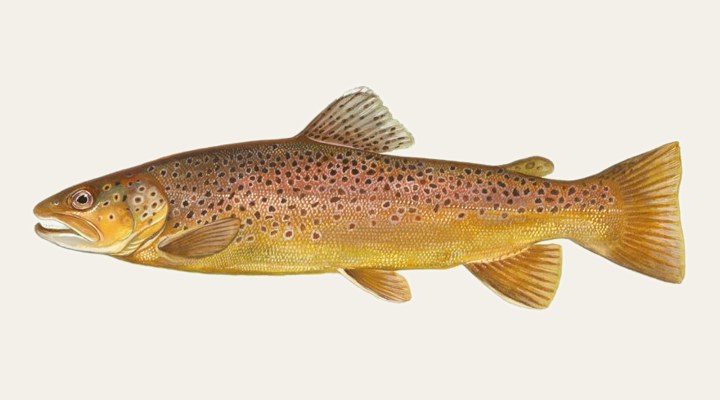
Prime. Nymphs and streamers on the rivers, and the lake edges on the overcast days.
Tie on: Blade or vibe, slow hops · Lightly weighted plastic · Whole pilchard or squid on the bottom · Suspending hardbody. Prime windows: 11:20 PM-1:20 AM, 11:49 AM-1:49 PM, 4:48 AM-5:48 AM. Similar at 16 °C with a rain chance. The solunar majors shift about 50 minutes later.
Tasmania requires a fishing licence for most fishing, from A$29.00. Tasmania fishing licence: cost, rules and where to buy →
Chasing rainbow trout here? Check the size and bag limits with IFS Tasmania before you keep anything; the Rainbow trout page has the seasons and the tactics.
Hour-by-hour bite forecast for today from sunrise (05:49), sunset (20:06), the moon and today's score. Tap a bar to see why.
Solunar majors 11:20 PM-1:20 AM and 11:49 AM-1:49 PM; minor 4:48 AM-5:48 AM. New Moon, 0% lit.
Live readings from Bureau of Meteorology station 179.1 (DEE LAGOON - AT TUNNEL INLET).
Bureau of Meteorology Water Data Online, station 179.1. Latest reading 2026-11-08 17:45.
Latest readings
Today is the pick of the week on Dee Lagoon, at 4 out of 5.
Best day this week: today, 9 Nov — good at 4/5, falling pressure, usually the best window of a week.
Stable-to-falling pressure and workable wind line things up.
Forecast-based scores, less reliable further out.
The species that matter on Dee Lagoon: seasons written for the southern year, and how to fish each one. Today's ratings live in the report above.
Open now Closes 31 May 2027. Designated rainbow trout waters open on the Saturday nearest 1 October and close on the Sunday nearest 31 May. Rule as read from Inland Fisheries Service Tasmania on 2026-09-24.
The stocked lakes of the Snowy Mountains, the Victorian highlands and the Tasmanian central plateau. Closed seasons apply on the rivers: check the state rules. Prime. Shore fishing along the edges with bait, spinners and flies, and the rivers if the season is open.
Open now Closes 31 May 2027. Designated rainbow trout waters open on the Saturday nearest 1 October and close on the Sunday nearest 31 May. Rule as read from Inland Fisheries Service Tasmania on 2026-09-24.
The wild trout of the highland rivers and Tasmania's lakes. Spawns in autumn, hence the closed rivers through winter in NSW and Victoria. Prime. Nymphs and streamers on the rivers, and the lake edges on the overcast days.
Activity by species and month for the southern year, and how the water warms and cools. Tap any cell.
1 = slow, 5 = peak. Current month highlighted. January is midsummer here.
Typical surface temperature for this water type in degrees Celsius; today is around 13 °C (estimated, not a reading).
Real reports from real anglers, reviewed before publishing. Nothing here is copied from a shop or a charter. The water log below tracks each day automatically.
3/5 Fair. Fish the windows. A steady pattern: dawn and dusk carry the day. Rainbow trout led the card at excellent. High of 12 °C, wind to 11 km/h.
3/5 Fair. Fish the windows. A steady pattern: dawn and dusk carry the day. Rainbow trout led the card at excellent. High of 7 °C, wind to 18 km/h.
3/5 Fair. Fish the windows. A steady pattern: dawn and dusk carry the day. Rainbow trout led the card at excellent. High of 12 °C, wind to 27 km/h.
Tasmanian Inland Angling Licence, from A$29.00, the same for residents and visitors. Details and where to buy →
Size and bag limits, closed seasons and marine park zones are set by IFS Tasmania and change: confirm the current rules on the agency page linked from the Tasmania licence page before you keep anything.
Anglers from age 14 need the Tasmanian inland angling licence, with fees on our Tasmania licence page.
Compare it with every other storage in the state on Tasmania dam levels today.
Dee Lagoon is a lake in Tasmania, Australia, covered from the Tasmania reports and listed in all Australia waters.
Dee Lagoon was created in 1955 as a hydro-electric storage for the Tungatinah power development, and water from the upper Dee catchment leaves it through a tunnel to Bradys Lake, the Inland Fisheries Service records. Tall eucalypt forest surrounds it, and it has two distinct parts: an open southern basin and a timbered northern basin. The most reliable way in, the service says, is the Osterley turn-off from the Lyell Highway at Bronte Lagoon, then the Victoria Valley Road (C173). The Bureau of Meteorology’s gauge at the tunnel inlet supplies the level and 30-day chart.
The service recognises Dee as a rainbow trout fishery: brown trout recruit naturally and rainbows are stocked periodically, the southern basin holding good numbers of rainbows while browns favour the timbered north. It is a designated rainbow trout water, open from the Saturday nearest 1 October to the Sunday nearest 31 May, computed on the species card, and reserved for artificial lures and flies, with a bag of five, only two over 500 mm, and a 300 mm minimum. Redfin and tench are present.
Midge hatches and heavy gum beetle falls are what Dee is known for, the service notes. On calm frosty mornings rainbows feed in the wind lanes of the southern basin, but a boat is essential for that; browns work the midge in the northern basin, often just out of reach from the shore. From December to April beetle falls bring both species up, and The Neck, Hill 24, Station Bay and Brownie Bay are named as the best areas. Trolling, and spinning from the shore, also account for good numbers.
The water temperature estimate, labelled as one, is cold for much of the season, and the level chart shows the hydro transfers through the lagoon. The fly fishing depends on calm or light-wind mornings, so the wind row matters more here than the score alone suggests. Pressure and sky complete the picture.
Anglers from age 14 need the Tasmanian inland angling licence, with fees on our Tasmania licence page. Boats launch at Brownie Bay and Spillway Bay on the south-western shore off the Victoria Valley Road, and navigation is prohibited in the Lake Echo Power Station tailrace and in the waters around the Dee Tunnel inlet. All waters flowing into the lagoon, and 50 metres below where they enter, are closed. Informal lakeshore camping is permitted, with no facilities.
The two basins fish differently enough to plan a day around them. The open south is a boat angler’s rainbow water of wind lanes and trolled lures; the timbered north is brown trout water where a careful approach along the snags counts for more than casting distance. On a flat calm morning the rising rainbows of the south are the first target, and when the breeze breaks the lanes up the shelter of the northern timber becomes the better bet.
Rainbow trout, which the Inland Fisheries Service stocks periodically, along with naturally recruiting browns; midge hatches and summer gum beetle falls bring both to the surface.
From the Saturday nearest 1 October to the Sunday nearest 31 May, because Dee is a designated rainbow trout water; the species card computes it with the Inland Fisheries Service rule linked.
Check the daily report at the top of this page: it is regenerated every morning from live data. Today's read: Good. Solid day ahead. Stable-to-falling pressure and workable wind line things up.
 Pablo Ruiz Quintero
Readings refresh on a 30-minute window. The full method, with every figure and its source, is on How our reports are made. Something wrong here? Tell us and it goes in the log with the date.