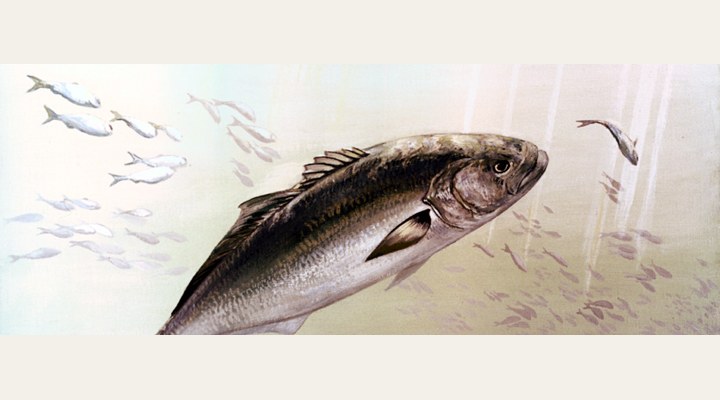
Tailor
Excellent
The main run. Fish the gutters and headlands into the evening; ganged pilchards, metals, and a wire-free trace only if you accept the bite-offs.
Updated Fri, 25 Sept 2026 from live weather and tide data
The Genoa River at Gipsy Point, the quiet arm of Mallacoota Inlet: bream, flathead, estuary perch and mulloway, with no current Bureau level series.
Sources: Open-Meteo, solunar calculated for these coordinates.
Genoa River at Gipsy Point is in its cool-water rhythm: slower presentations and the warmest hours of the day. Today brings cloud cover, wind WNW around 8 km/h, rising pressure near 1023 hPa and a high of 27 °C. Water sits around 18 °C for the season (estimated). With the full moon, the solunar majors run 10:25 AM-12:25 PM and 10:25 PM-12:25 AM: the windows to build the day around.
The main run. Fish the gutters and headlands into the evening; ganged pilchards, metals, and a wire-free trace only if you accept the bite-offs.
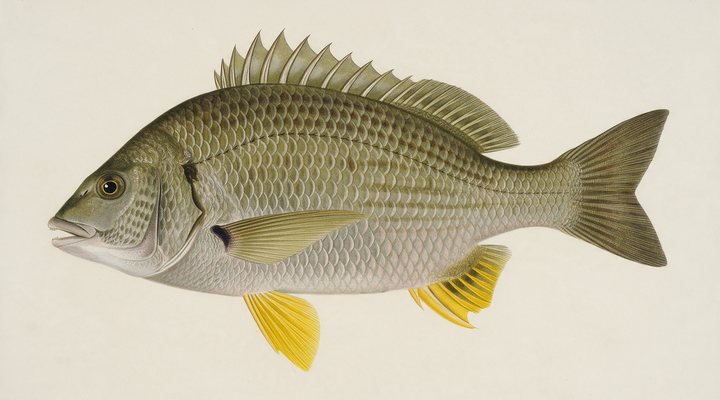
Slow the retrieve right down: blades and lightly weighted plastics along the deeper rock walls and drop-offs, or unweighted bait drifted into the snags.
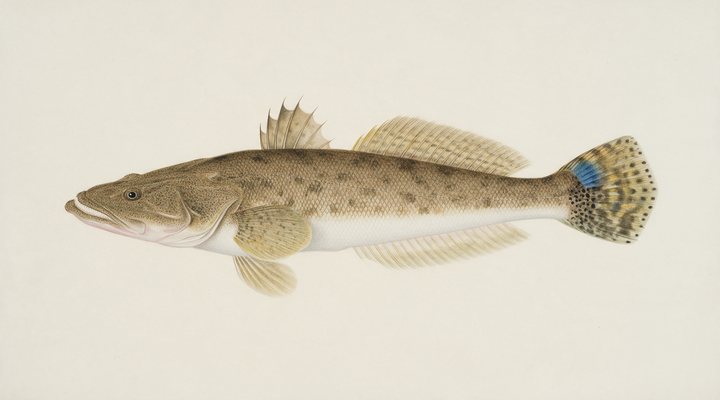
Fish the deeper channels and the last of the run-out; slower hops with a heavier jighead, and a bait on the bottom as back-up.
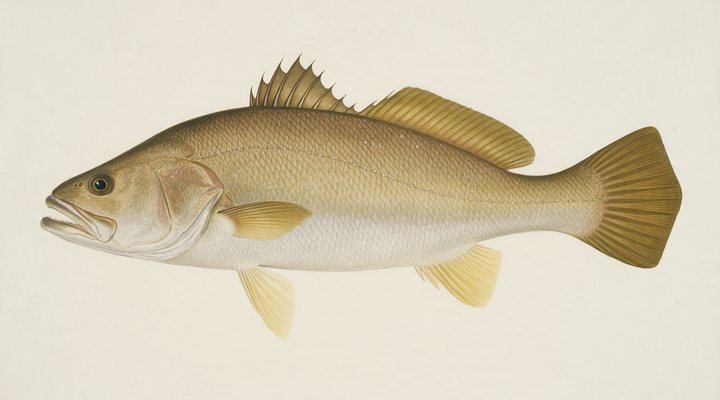
The estuary fish move to the deeper reaches. Long, quiet sessions on the bottom with fresh bait across the top of the tide.
Tie on: Blade or vibe, slow hops · Lightly weighted plastic · Whole pilchard or squid on the bottom · Suspending hardbody. Prime windows: 10:25 AM-12:25 PM, 10:25 PM-12:25 AM, 4:55 AM-5:55 AM. Cooler at 18 °C with likely rain: fish ahead of the front. The solunar majors shift about 50 minutes later.
Victoria requires a fishing licence for most fishing, from A$10.00. Victoria fishing licence: cost, rules and where to buy →
Chasing bream here? Check the size and bag limits with VFA before you keep anything; the Bream page has the seasons and the tactics.
Hour-by-hour bite forecast for today from sunrise (05:46), sunset (18:00), the moon and today's score. Tap a bar to see why.
Solunar majors 10:25 AM-12:25 PM and 10:25 PM-12:25 AM; minor 4:55 AM-5:55 AM. Full Moon, 99% lit.
Conditions here are modelled from weather, season and the nearest stations.
Water readings appear when a Bureau of Meteorology station covers it. Until then the seasonal curve below is the estimate.
Latest readings
The best day on Genoa River at Gipsy Point this week looks like Monday 28 Sept, at 4 out of 5, against 3 today. Every day is scored by the same engine as the report above: pressure trend first, then wind, sky and season. Pick a species and the plan for that day changes with it.
Best day this week: Monday, 28 Sept — good at 4/5, falling pressure, usually the best window of a week.
A steady pattern: dawn and dusk carry the day.
Scores are a planning aid built from forecast data, not a promise.
The species that matter on Genoa River at Gipsy Point: seasons written for the southern year, and how to fish each one. Today's ratings live in the report above.
Yellowfin bream on the east coast, black bream in the southern estuaries. Structure fish: rock walls, jetty piles, oyster racks, snags and pontoons. Slow the retrieve right down: blades and lightly weighted plastics along the deeper rock walls and drop-offs, or unweighted bait drifted into the snags.
Dusky flathead in the eastern estuaries, sand flathead in the southern bays. An ambush predator lying on sand and mud edges waiting for whatever the tide brings. Fish the deeper channels and the last of the run-out; slower hops with a heavier jighead, and a bait on the bottom as back-up.
Jewfish. The big silver prize of the estuaries, breakwalls and surf beaches: nocturnal, tide-driven and unforgiving of noise. The estuary fish move to the deeper reaches. Long, quiet sessions on the bottom with fresh bait across the top of the tide.
The surf and rock fish of the east coast, running north in autumn and winter. Fast, toothy and best at dawn, dusk and into the dark. The main run. Fish the gutters and headlands into the evening; ganged pilchards, metals, and a wire-free trace only if you accept the bite-offs.
Activity by species and month for the southern year, and how the water warms and cools. Tap any cell.
1 = slow, 5 = peak. Current month highlighted. January is midsummer here.
Typical surface temperature for this water type in degrees Celsius; today is around 18 °C (estimated, not a reading).
Real reports from real anglers, reviewed before publishing. Nothing here is copied from a shop or a charter. The water log below tracks each day automatically.
3/5 Fair. Fish the windows. A steady pattern: dawn and dusk carry the day. Tailor led the card at excellent. High of 25 °C, wind to 21 km/h.
3/5 Fair. Fish the windows. A steady pattern: dawn and dusk carry the day. Tailor led the card at excellent. High of 19 °C, wind to 19 km/h.
4/5 Good. Solid day ahead. Stable-to-falling pressure and workable wind line things up. Tailor led the card at excellent. High of 16 °C, wind to 18 km/h.
Victorian Recreational Fishing Licence (RFL), from A$10.00, the same for residents and visitors. Details and where to buy →
Size and bag limits, closed seasons and marine park zones are set by VFA and change: confirm the current rules on the agency page linked from the Victoria licence page before you keep anything.
Victoria’s Recreational Fishing Licence applies at Gipsy Point unless you are exempt; our Victoria page has the fees.
Genoa River at Gipsy Point is a river in Victoria, Australia, covered from the Victoria reports and listed in all Australia waters.
Gipsy Point is the tiny settlement where the Genoa and Wallagaraugh rivers meet at the top of Mallacoota Inlet in far East Gippsland, surrounded by the forest of Croajingolong National Park, with a jetty, a lodge and deep, quiet water. The Bureau of Meteorology’s gauge at Gipsy Point has not reported recent readings to Water Data Online, so this page carries no level chart. Mallacoota has its own page.
Black bream are the fish of Gipsy Point, along the snags and the rocky banks on lures and bait; dusky flathead lie on the sand flats; estuary perch hold in the timber; mulloway move up the inlet. The VFA sets the size and bag limits for these species, linked in the sources.
The jetty at Gipsy Point is the shore spot, and a boat or a kayak covers the Genoa and the Wallagaraugh arms, casting to the fallen timber and the rock bars. Boats hired at Mallacoota reach Gipsy Point through the upper inlet. The fallen timber along the Genoa and Wallagaraugh banks holds bream and estuary perch, and the sand flats near the junction are the flathead water on a rising tide.
Gipsy Point is reached by the road off the Princes Highway near Genoa, or by boat from Mallacoota, where the supplies, tackle and boat hire are. Bring bream lures, bait for flathead and a kayak or a hired boat for the arms of the upper inlet.
The upper inlet is sheltered by forest, so the wind row matters less than at Mallacoota; the tide is small this far up, and any tide shown by the planner is a modelled curve labelled as one. Without a level series, the rain row tells you when the rivers will colour the inlet. Pressure and sky build the score at Gipsy Point.
Victoria’s Recreational Fishing Licence applies at Gipsy Point unless you are exempt; our Victoria page has the fees. The jetty is public, Croajingolong National Park has its own rules, and the VFA limits are in the sources.
Black bream, dusky flathead, estuary perch and mulloway.
Through the upper Mallacoota Inlet from Mallacoota.
Yes, unless exempt: the Victorian Recreational Fishing Licence.
Check the daily report at the top of this page: it is regenerated every morning from live data. Today's read: Fair. Fish the windows. A steady pattern: dawn and dusk carry the day.
 Pablo Ruiz Quintero
Readings refresh on a 30-minute window. The full method, with every figure and its source, is on How our reports are made. Something wrong here? Tell us and it goes in the log with the date.