Harrison River Fishing Report
Updated Mon, Nov 9, 2026 from live weather and water data
The Harrison between Harrison Lake and the Fraser: fall chum and coho, sea-run cutthroat, white sturgeon catch and release, and a live gauge below Morris Creek.
3/5
Fair. Fish the windows.A steady pattern: dawn and dusk carry the day.
Level
8.73 m
Air / High
7 °C / 13 °C
Wind
N 2 km/h
Sources: Water Survey of Canada station 08MG022, Open-Meteo, solunar calculated for these coordinates.
Today's Fishing Report
Harrison River is in its winter rhythm: slow, deep and around the brightest hours. The gauge reads 8.73 m, up 0.17 over the week. Today brings cloud cover, wind N around 2 km/h, rising pressure near 1017 hPa and a high of 13 °C. Water sits around 6 °C for the season (estimated). With the new moon, the solunar majors run 11:55 PM-1:55 AM and 12:14 PM-2:14 PM: the windows to build the day around.
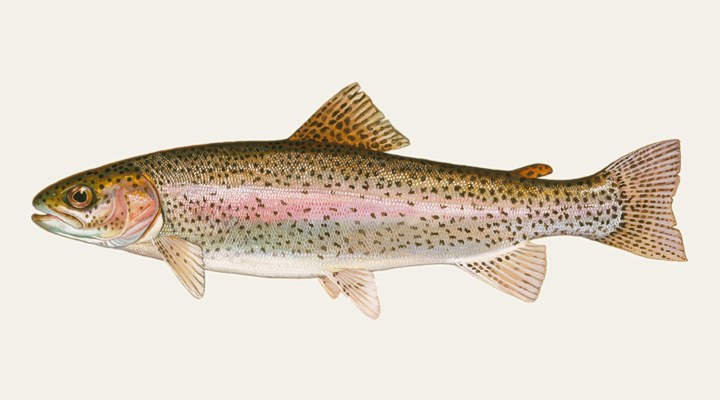
Steelhead
Good
The winter run. Slow and deep: float gear right on the bottom, swing slower, and fish the days after a small rise in water.
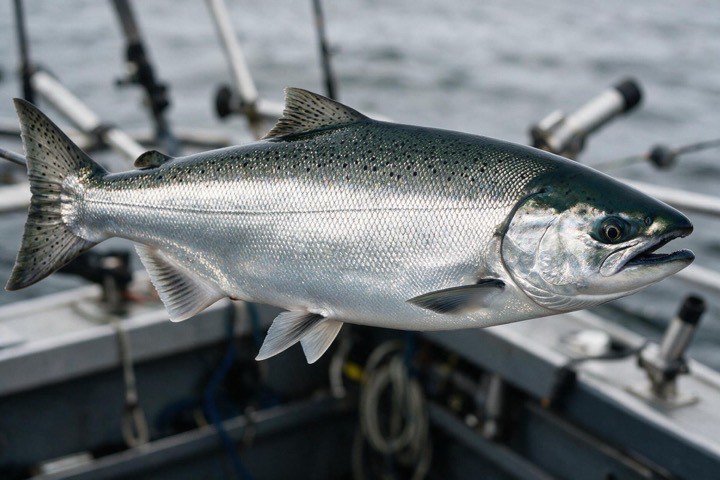
Chinook (spring) salmon
Slow
Winter feeders on the BC coast, deep and slow, on the calm days only. In the Great Lakes, the run is over until next fall.
Tie on: Jigging spoon through the ice · Dead-stick minnow · Tip-up with dead bait · Tungsten jig and wax worm. Prime windows: 11:55 PM-1:55 AM, 12:14 PM-2:14 PM, 8:41 AM-9:41 AM. Similar at 13 °C with likely rain: fish ahead of the front. The solunar majors shift about 50 minutes later.
Before you go
British Columbia requires a fishing licence for most fishing, from C$11.43. British Columbia fishing licence: cost, rules and where to buy →
Chasing coho salmon here? Check the size and bag limits with BC Freshwater Fishing before you keep anything; the Coho salmon page has the seasons and the tactics.
Fishing times for Harrison River today
Hour-by-hour bite forecast for today from sunrise (08:08), sunset (17:33), the moon and today's score. Tap a bar to see why.
Bite planner
Solunar majors 11:55 PM-1:55 AM and 12:14 PM-2:14 PM; minor 8:41 AM-9:41 AM. New Moon, 0% lit.
Water and weather
Live readings from Water Survey of Canada station 08MG022 (HARRISON RIVER BELOW MORRIS CREEK).
River level, last 30 days
Water Survey of Canada real-time hydrometric data, station 08MG022. Latest reading 2026-11-09 03:40.
Right now
Latest readings
Air temp7 °C
High / Low13 °C / 7 °C
WindN 2 km/h, gusts 5 km/h
Pressure101.67 kPa, rising
Sky / Rain100% cloud, 95%
Sunrise / Sunset08:08 / 17:33
MoonNew Moon, 0%
Water temp (seasonal)~6 °C est.
7-day fishing forecast: which day to fish Harrison River
Today is the pick of the week on Harrison River, at 3 out of 5.
Best day this week: today, Nov 9 — fair at 3/5, rising pressure behind a front, typically the slowest.
Today, Nov 9 — Fair
A steady pattern: dawn and dusk carry the day.
- Solunar majors
- 11:55 PM-1:55 AM and 12:14 PM-2:14 PM
- Minor period
- 8:41 AM-9:41 AM
- Sun
- 08:08 to 17:33
- Moon
- New Moon, 0% lit
- Sky and wind
- Rain, 11 km/h
- Rain chance
- 95%
Forecast-based scores, less reliable further out.
Species guide
The species that matter on Harrison River: seasons written for the Canadian year, and how to fish each one. Today's ratings live in the report above.
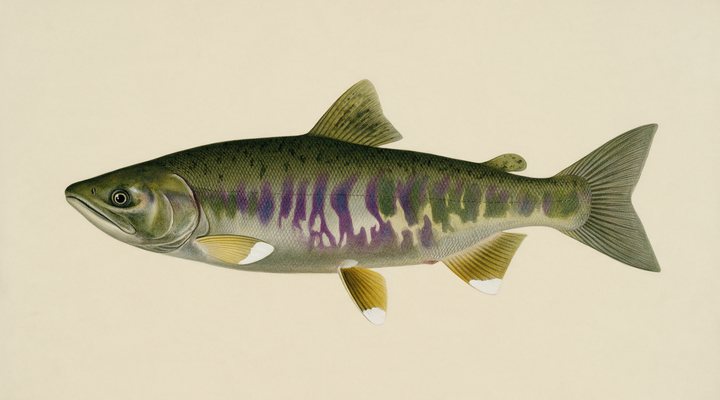
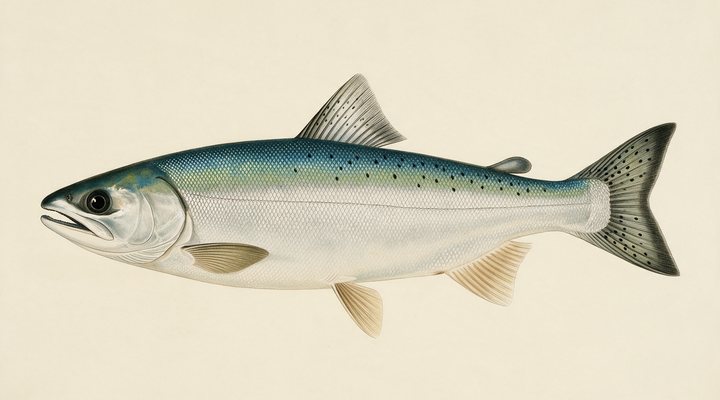
Coho salmon
BC coast: July to September; rivers: October and November
Silver, aggressive and surface-oriented. Feeds hard along the BC coast through summer and runs the Fraser Valley and Island rivers in fall, the Vedder and the Stamp among them. Hatchery coho are marked by a clipped adipose fin; what may be kept depends on the water and the DFO notice. Late fish in the rivers are dark and done; the coast is quiet until spring.
Chum salmon
Fraser Valley and Island rivers: October and November
The late-fall salmon of the lower mainland and the Island, big and hard-fighting. Runs the Vedder, the Harrison and the Stave in numbers some years. Retention depends on the run and the DFO notice. Late fish hold in the lower river; slow presentations near the bottom.
Steelhead
BC: winter run December to April, summer run into fall; Great Lakes: fall and spring
Sea-run rainbow trout, the fish of the Vedder, the Skeena system and the Island rivers in winter, and of the Great Lakes tributaries in fall and spring. In BC wild steelhead are released; a steelhead conservation surcharge applies on top of the licence. The winter run. Slow and deep: float gear right on the bottom, swing slower, and fish the days after a small rise in water.
Chinook (spring) salmon
BC coast: spring to late summer; Great Lakes tributaries: September and October
The biggest Pacific salmon, called spring or king on the BC coast. Feeds along the kelp lines, points and tide rips of the BC coast before running rivers in late summer; introduced to the Great Lakes, where it runs the tributaries in fall. Retention on the BC coast changes by area and by DFO fishery notice. Winter feeders on the BC coast, deep and slow, on the calm days only. In the Great Lakes, the run is over until next fall.
When to come: the Harrison River calendar
Activity by species and month for the Canadian year, and how the water warms and cools. Tap any cell.
Species activity by month
1 = slow, 5 = peak. Current month highlighted. January is midsummer here.
J
F
M
A
M
J
J
A
S
O
N
D
Coho salmon
Chum salmon
Steelhead
Chinook (spring) salmon
SlowPeak
Water temperature through the year
Typical surface temperature for this water type in degrees Celsius; today is around 6 °C (estimated, not a reading).
Angler reports
Real reports from real anglers, reviewed before publishing. Nothing here is copied from a shop or a charter. The water log below tracks each day automatically.
No angler reports yetBe the first: your report helps every angler who checks Harrison River today.
Water log, last days
Auto-logged from live dataSun, Nov 8
3/5 Fair. Fish the windows. A steady pattern: dawn and dusk carry the day. Chum salmon led the card at excellent. High of 13 °C, wind to 23 km/h.
Sat, Nov 7
3/5 Fair. Fish the windows. A steady pattern: dawn and dusk carry the day. Chum salmon led the card at excellent. High of 17 °C, wind to 11 km/h.
Fri, Nov 6
3/5 Fair. Fish the windows. A steady pattern: dawn and dusk carry the day. Chum salmon led the card at excellent. High of 12 °C, wind to 14 km/h.
Before you go
Licence
BC freshwater fishing licence, from C$11.43 for a resident adult, with higher prices for other Canadians and visitors. Details and where to buy →
Regulations
Size and bag limits, closed seasons and protected areas are set by BC Freshwater Fishing and, in salt water and for salmon, by Fisheries and Oceans Canada, and change: confirm the current rules on the agency page linked from the British Columbia licence page before you keep anything. The zone-by-zone seasons and limits are on British Columbia fishing seasons.
Access
A BC freshwater licence is needed, with the non-tidal salmon surcharge to keep salmon and a White Sturgeon Conservation Licence to fish for sturgeon anywhere in the Fraser watershed from the CPR bridge at Mission upstream.
About this water
Harrison River is a river in British Columbia, Canada, covered from the British Columbia reports and listed in all Canada waters.
Fishing Harrison River: the full guide
The Harrison River
The Harrison River is short and powerful, running from the south end of Harrison Lake, by Harrison Hot Springs, past Harrison Mills to the Fraser. The Chehalis River joins it on the way, and the lower river is one of the few places in the province where dead fish may be used as bait, and then only for sturgeon. The Water Survey of Canada gauge below Morris Creek supplies the level and the 30-day chart on this page.
Species and seasons
Chum are the main fall run, with coho alongside and chinook earlier; salmon openings and limits come from DFO notices, not from the provincial synopsis. Sea-run cutthroat follow the spawning salmon to feed on drifting eggs, and the Freshwater Fisheries Society of BC record shows sea-run cutthroat smolts released into the Harrison in 2017, 2018 and 2019. White sturgeon live in the lower river and are catch and release only.
Where to fish it
The river is broad and slow in places, fished from boats and from the bars near Harrison Mills and the Chehalis confluence. Fishing on the Harrison is closed from one hour after sunset to one hour before sunrise, and some small bays along the river have speed limits or no powered boats, as signed. The Chehalis is closed from Chehalis Lake down to the main logging road bridge, and below it in May; its winter-run steelhead are stocked as smolts each spring, according to the FFSBC record.
Planning a visit
Harrison Mills lies in the Fraser Valley, and Harrison Hot Springs sits at the head of the river on the lake. The Fraser at Mission, downstream, has its own page. No fishing is allowed within 100 m of any government facility for counting, passing or rearing fish, a rule that covers the valley’s hatcheries and spawning channels.
The water through the year
Harrison Lake buffers the river, so it rises and falls more slowly than the valley’s rain-fed streams, and a high Fraser in the spring freshet can hold water back in its lower reach. The salmon season runs from late summer into early winter, and the quieter months are for sturgeon and cutthroat.
Reading this report here
The gauge below Morris Creek shows the lake-fed flow and the influence of the Fraser; fall rains lift it gently. Thirty days of readings sit in the chart, and the score adds wind, pressure and sky.
Licence, access and rules
A BC freshwater licence is needed, with the non-tidal salmon surcharge to keep salmon and a White Sturgeon Conservation Licence to fish for sturgeon anywhere in the Fraser watershed from the CPR bridge at Mission upstream. Dead fin fish may be used as bait only when sport fishing for sturgeon in the lower Harrison, and single barbless hooks are required in all Region 2 streams.
Common questions
When is the best fishing on the Harrison River?
The fall, when the chum and coho run, subject to the DFO notices that open or close salmon retention.
Why do cutthroat follow the salmon?
They feed on the eggs that spawning salmon lose in the gravel, which is why egg-imitating flies fished near the spawners are the standard approach.
Can I fish for sturgeon on the Harrison?
Yes, catch and release only, with the White Sturgeon Conservation Licence on top of the basic licence.
Is fishing good at Harrison River right now?
Check the daily report at the top of this page: it is regenerated every morning from live data. Today's read: Fair. Fish the windows. A steady pattern: dawn and dusk carry the day.
Nearby waters
Where this page's numbers come from
- Water level and flow readings
- Environment and Climate Change Canada, Water Survey of Canada real-time hydrometric data, station 08MG022 — HARRISON RIVER BELOW MORRIS CREEK
- Open-Meteo forecast model
- https://open-meteo.com/
- Moon and solunar windows
- Calculated on this site
- Pages checked
- The written guide on this page
 Pablo Ruiz Quintero
Readings refresh on a 30-minute window. The full method, with every figure and its source, is on How our reports are made. Something wrong here? Tell us and it goes in the log with the date.