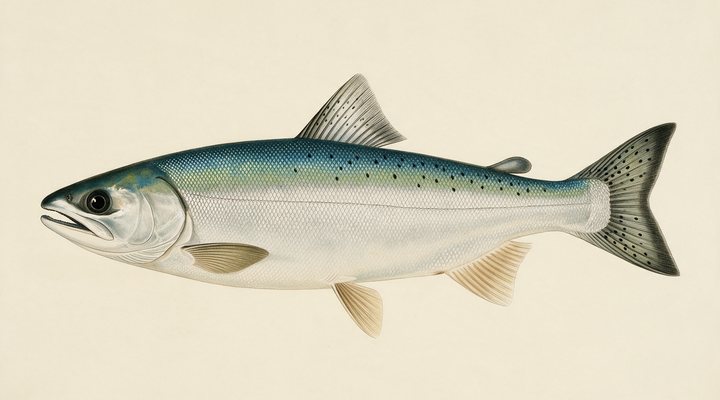
Coho salmon
Excellent
The river run. Float gear with roe or a jig, or cast spinners and spoons in the slower tailouts after a rise in water.
Updated Fri, Sep 25, 2026 from live weather and water data
The Stave below Ruskin Dam: fall chum and coho on a short, dam-controlled river in the Fraser Valley.
Sources: Open-Meteo, solunar calculated for these coordinates.
Stave River is in its cool-water rhythm: slower presentations and the warmest hours of the day. Today brings cloud cover, wind ENE around 2 km/h, rising pressure near 1006 hPa and a high of 14 °C. Water sits around 12 °C for the season (estimated). With the full moon, the solunar majors run 10:25 AM-12:25 PM and 10:25 PM-12:25 AM: the windows to build the day around.
The river run. Float gear with roe or a jig, or cast spinners and spoons in the slower tailouts after a rise in water.
Fish are staging or moving to the rivers. On the coast, the deeper banks and the winter feeders; in Great Lakes rivers, drifted roe and spinners in the deeper runs.
The run. Float fish pink and chartreuse jigs, wool or roe through the slower runs and the back eddies.
Fall fish on the move: float fishing with roe, beads or jigs, and swung flies through the tailouts.
Tie on: Float and roe · Swung fly through the tailout · Jerkbait, long pauses · Hair jig on the rock. Prime windows: 10:25 AM-12:25 PM, 10:25 PM-12:25 AM, 4:55 AM-5:55 AM. Similar at 13 °C. The solunar majors shift about 50 minutes later.
British Columbia requires a fishing licence for most fishing, from C$11.43. British Columbia fishing licence: cost, rules and where to buy →
Chasing coho salmon here? Check the size and bag limits with BC Freshwater Fishing before you keep anything; the Coho salmon page has the seasons and the tactics.
Hour-by-hour bite forecast for today from sunrise (07:00), sunset (19:00), the moon and today's score. Tap a bar to see why.
Solunar majors 10:25 AM-12:25 PM and 10:25 PM-12:25 AM; minor 4:55 AM-5:55 AM. Full Moon, 99% lit.
Conditions here are modelled from weather, season and the nearest stations.
Water readings appear when a Water Survey of Canada station covers it. Until then the seasonal curve below is the estimate.
Latest readings
The best day on Stave River this week looks like Saturday Sep 26, at 4 out of 5, against 3 today. Every day is scored by the same engine as the report above: pressure trend first, then wind, sky and season. Pick a species and the plan for that day changes with it.
Best day this week: Saturday, Sep 26 — good at 4/5, falling pressure, usually the best window of a week.
A steady pattern: dawn and dusk carry the day.
Scores are a planning aid built from forecast data, not a promise.
The species that matter on Stave River: seasons written for the Canadian year, and how to fish each one. Today's ratings live in the report above.
Silver, aggressive and surface-oriented. Feeds hard along the BC coast through summer and runs the Fraser Valley and Island rivers in fall, the Vedder and the Stamp among them. Hatchery coho are marked by a clipped adipose fin; what may be kept depends on the water and the DFO notice. The river run. Float gear with roe or a jig, or cast spinners and spoons in the slower tailouts after a rise in water.
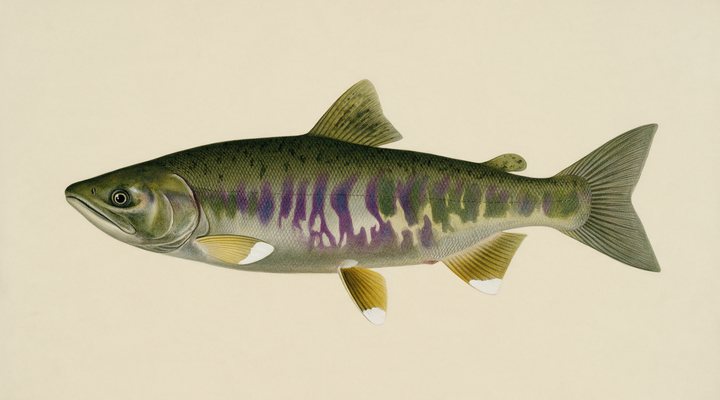
The late-fall salmon of the lower mainland and the Island, big and hard-fighting. Runs the Vedder, the Harrison and the Stave in numbers some years. Retention depends on the run and the DFO notice. The run. Float fish pink and chartreuse jigs, wool or roe through the slower runs and the back eddies.
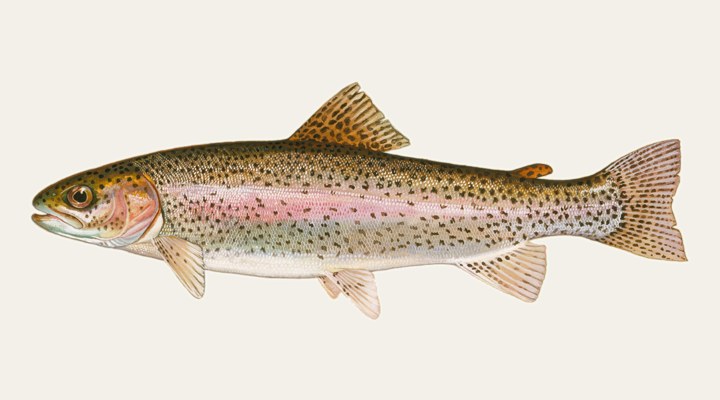
Sea-run rainbow trout, the fish of the Vedder, the Skeena system and the Island rivers in winter, and of the Great Lakes tributaries in fall and spring. In BC wild steelhead are released; a steelhead conservation surcharge applies on top of the licence. Fall fish on the move: float fishing with roe, beads or jigs, and swung flies through the tailouts.
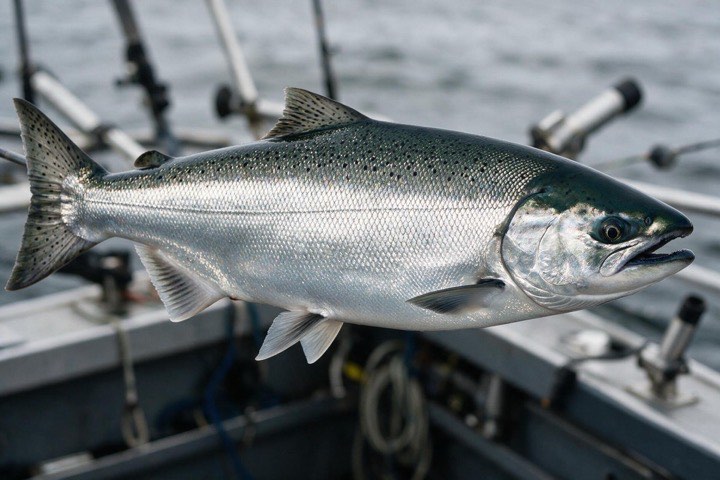
The biggest Pacific salmon, called spring or king on the BC coast. Feeds along the kelp lines, points and tide rips of the BC coast before running rivers in late summer; introduced to the Great Lakes, where it runs the tributaries in fall. Retention on the BC coast changes by area and by DFO fishery notice. Fish are staging or moving to the rivers. On the coast, the deeper banks and the winter feeders; in Great Lakes rivers, drifted roe and spinners in the deeper runs.
Activity by species and month for the Canadian year, and how the water warms and cools. Tap any cell.
1 = slow, 5 = peak. Current month highlighted. January is midsummer here.
Typical surface temperature for this water type in degrees Celsius; today is around 12 °C (estimated, not a reading).
Real reports from real anglers, reviewed before publishing. Nothing here is copied from a shop or a charter. The water log below tracks each day automatically.
3/5 Fair. Fish the windows. A steady pattern: dawn and dusk carry the day. Coho salmon led the card at excellent. High of 18 °C, wind to 11 km/h.
3/5 Fair. Fish the windows. A steady pattern: dawn and dusk carry the day. Coho salmon led the card at excellent. High of 15 °C, wind to 11 km/h.
3/5 Fair. Fish the windows. A steady pattern: dawn and dusk carry the day. Coho salmon led the card at excellent. High of 20 °C, wind to 11 km/h.
BC freshwater fishing licence, from C$11.43 for a resident adult, with higher prices for other Canadians and visitors. Details and where to buy →
Size and bag limits, closed seasons and protected areas are set by BC Freshwater Fishing and, in salt water and for salmon, by Fisheries and Oceans Canada, and change: confirm the current rules on the agency page linked from the British Columbia licence page before you keep anything.
A BC freshwater licence is needed, with the non-tidal salmon surcharge for salmon; the closed area below the dam and the Stave’s rules are in the synopsis linked below.
Stave River is a river in British Columbia, Canada, covered from the British Columbia reports and listed in all Canada waters.
The Stave River runs from Stave Lake through the Stave Falls and Ruskin dams to the Fraser at Ruskin, near Mission; below Ruskin Dam it is a short stretch of river that fills with salmon in the fall. Its flow is controlled by the dam, and the lower river is where the fishing is. There is no public live gauge on this lower reach; the report here is built from the weather and the season.
Chum salmon run in October and November, with coho alongside; the retention rules are set in the synopsis and change in season. Cutthroat trout follow the salmon to feed on eggs.
The lower river below Ruskin Dam is fished from the banks and the gravel; the area immediately below the dam is closed to fishing. Mission and the Fraser have their own page. Access is from the roads around Ruskin, where the Lougheed Highway crosses the river, and parking is limited on fall weekends.
The Stave is about an hour from Vancouver, near Mission and Maple Ridge. Dam operations can change the flow quickly: watch the water level and follow the warning signs. Bring waders and float gear; the Fraser Valley rain in the fall is steady, and the banks get muddy.
Releases from the dams and the fall rains set the flow; summer is low and quiet. The fall run is the season. The run starts in October, builds through late October and November and fades by December; the rest of the year the lower Stave is quiet.
Without a live gauge on the lower Stave, the page shows the seasonal water temperature estimate, labelled as one, and builds the score from pressure, wind and sky. A cool, grey day with light rain is often the best weather for the salmon here.
A BC freshwater licence is needed, with the non-tidal salmon surcharge for salmon; the closed area below the dam and the Stave’s rules are in the synopsis linked below. In-season changes are posted by the province.
Chum and coho in October and November.
No; the area below the dam is closed. The synopsis shows the boundary.
There is no public live gauge on the lower Stave below Ruskin Dam.
Check the daily report at the top of this page: it is regenerated every morning from live data. Today's read: Fair. Fish the windows. A steady pattern: dawn and dusk carry the day.
 Pablo Ruiz Quintero
Readings refresh on a 30-minute window. The full method, with every figure and its source, is on How our reports are made. Something wrong here? Tell us and it goes in the log with the date.