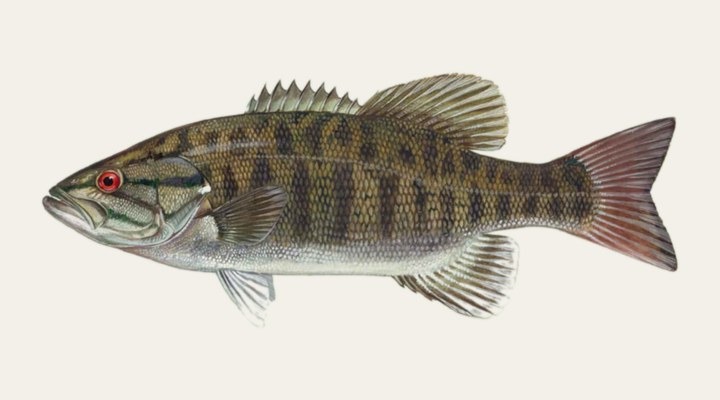
Smallmouth bass
Excellent
The prime season: tubes, crankbaits and topwater along the rocky points and breaks.
Updated Fri, Sep 25, 2026 from live weather and water data
The St. Lawrence in Ontario: muskie, smallmouth and walleye from the Thousand Islands to Cornwall.
Sources: Open-Meteo, solunar calculated for these coordinates.
St. Lawrence River is fishing in its best temperature window, with the bite spread across the day. Today brings cloud cover, wind WNW around 5 km/h, rising pressure near 1028 hPa and a high of 21 °C. Water sits around 19 °C for the season (estimated). With the full moon, the solunar majors run 10:25 AM-12:25 PM and 10:25 PM-12:25 AM: the windows to build the day around.
The prime season: tubes, crankbaits and topwater along the rocky points and breaks.
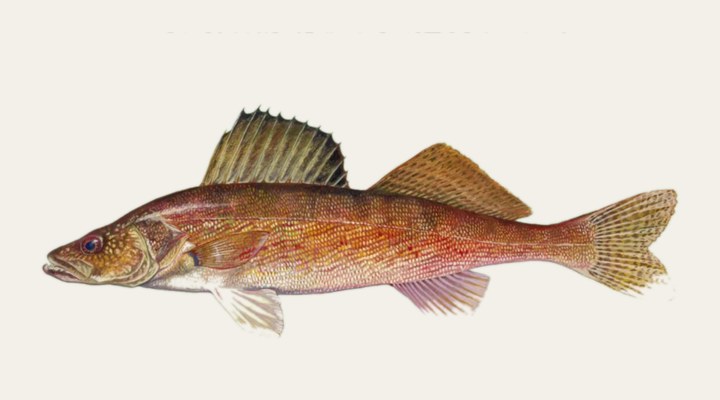
Jig and minnow along the weed edges, reefs and current breaks; troll the flats when they scatter.
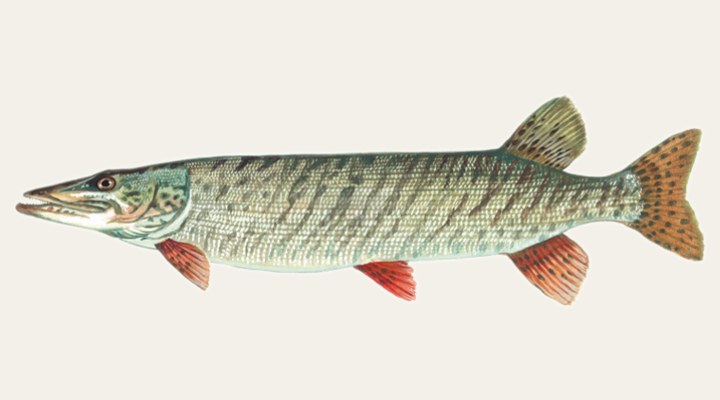
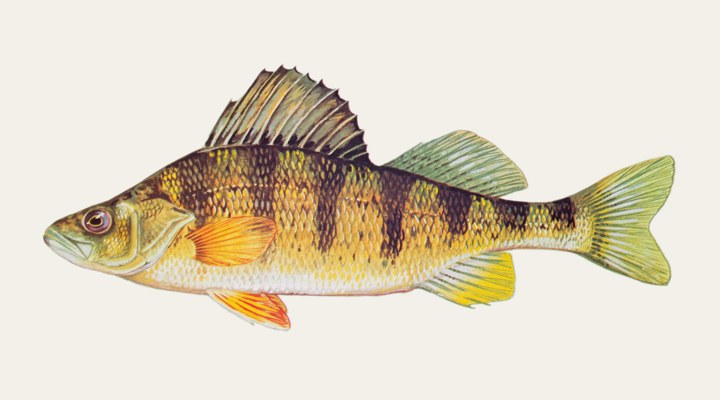
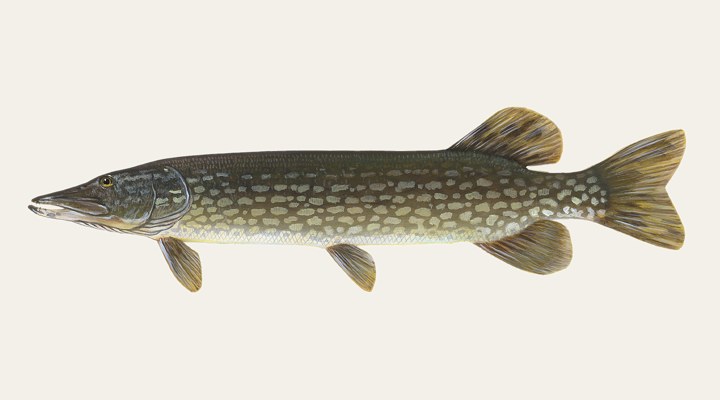
Spinnerbaits, spoons and jerkbaits over the weed beds and along the points.
Tie on: Jig and minnow · Spinnerbait over the weeds · Bucktail fly, fast troll · Leech pattern under an indicator. Prime windows: 10:25 AM-12:25 PM, 10:25 PM-12:25 AM, 4:55 AM-5:55 AM. Similar at 21 °C. The solunar majors shift about 50 minutes later.
Ontario requires a fishing licence for most fishing, from C$12.21. Ontario fishing licence: cost, rules and where to buy →
Chasing smallmouth bass here? Check the size and bag limits with Ontario MNR before you keep anything; the Smallmouth bass page has the seasons and the tactics.
Hour-by-hour bite forecast for today from sunrise (06:48), sunset (18:49), the moon and today's score. Tap a bar to see why.
Solunar majors 10:25 AM-12:25 PM and 10:25 PM-12:25 AM; minor 4:55 AM-5:55 AM. Full Moon, 99% lit.
Conditions here are modelled from weather, season and the nearest stations.
Water readings appear when a Water Survey of Canada station covers it. Until then the seasonal curve below is the estimate.
Latest readings
The best day on St. Lawrence River this week looks like Wednesday Sep 30, at 5 out of 5, against 4 today. Every day is scored by the same engine as the report above: pressure trend first, then wind, sky and season. Pick a species and the plan for that day changes with it.
Best day this week: Wednesday, Sep 30 — excellent at 5/5, falling pressure, usually the best window of a week.
Stable-to-falling pressure and workable wind line things up.
Scores are a planning aid built from forecast data, not a promise.
The species that matter on St. Lawrence River: seasons written for the Canadian year, and how to fish each one. Today's ratings live in the report above.
The rock-and-current bass of the Great Lakes shores, the Bay of Quinte, the St. Lawrence and Lake St. Clair. The Ontario bass season opens in late June in most zones, after the nesting period. The prime season: tubes, crankbaits and topwater along the rocky points and breaks.
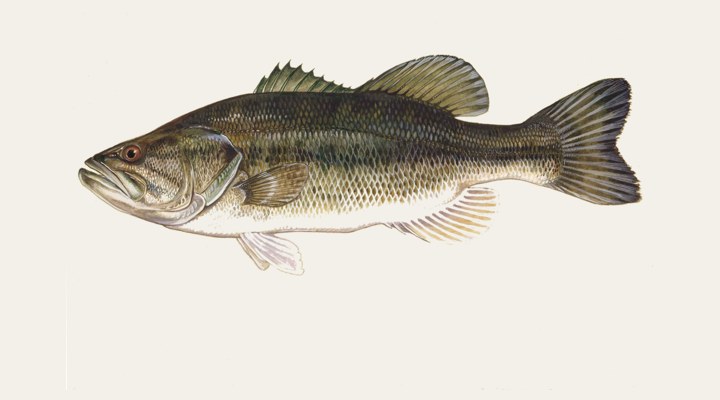
The weed and dock bass of southern Ontario, Rice Lake and the Bay of Quinte. Same season as smallmouth in most zones. Topwater at dawn, then soft plastics and spinnerbaits along the weed lines.
Called pickerel in much of Ontario and Manitoba. The fish of Lake of the Woods, Lake Winnipeg and the Red River, Lake Diefenbaker, Tobin Lake, Lake Erie and the Bay of Quinte. Most zones close in spring for the spawn. Jig and minnow along the weed edges, reefs and current breaks; troll the flats when they scatter.
The trophy fish of Lake St. Clair, the St. Lawrence, the Detroit River and Lake of the Woods. Catch-and-release is the culture; minimum sizes are large where retention is allowed. Bucktails, jerkbaits and trolling big crankbaits along the breaks.
The ice-fishing fish of Lake Simcoe, Long Point Bay and Lake St. Clair, and a summer staple on every Great Lakes shore. Schools move constantly. Small jigs and minnows along the weed edges and the sand flats.
Called jackfish on the prairies. Found in almost every lake and slow river from Ontario to Alberta; big fish in the cold, deep lakes. Spinnerbaits, spoons and jerkbaits over the weed beds and along the points.
Activity by species and month for the Canadian year, and how the water warms and cools. Tap any cell.
1 = slow, 5 = peak. Current month highlighted. January is midsummer here.
Typical surface temperature for this water type in degrees Celsius; today is around 19 °C (estimated, not a reading).
Real reports from real anglers, reviewed before publishing. Nothing here is copied from a shop or a charter. The water log below tracks each day automatically.
5/5 Excellent. Go now. Everything lines up: pressure, wind and light are in your favor. Smallmouth bass led the card at excellent. High of 20 °C, wind to 11 km/h.
4/5 Good. Solid day ahead. Stable-to-falling pressure and workable wind line things up. Smallmouth bass led the card at excellent. High of 19 °C, wind to 16 km/h.
4/5 Good. Solid day ahead. Stable-to-falling pressure and workable wind line things up. Smallmouth bass led the card at excellent. High of 17 °C, wind to 16 km/h.
Outdoors Card and Ontario fishing licence, from C$12.21 for a resident adult, with higher prices for other Canadians and visitors. Details and where to buy →
Size and bag limits, closed seasons and protected areas are set by Ontario MNR and, in salt water and for salmon, by Fisheries and Oceans Canada, and change: confirm the current rules on the agency page linked from the Ontario licence page before you keep anything.
An Outdoors Card and an Ontario fishing licence are needed on the Ontario side; the rules are linked below.
St. Lawrence River is a river in Ontario, Canada, covered from the Ontario reports and listed in all Canada waters.
The St. Lawrence River leaves Lake Ontario at Kingston and runs northeast through the Thousand Islands, past Gananoque, Brockville and Cornwall, into Quebec, with the border with New York along its middle. It is one of the best-known muskellunge and smallmouth bass rivers in North America. The coordinates on this page are at the Ontario end near the Quebec border; water levels on the river are published by the Canadian Hydrographic Service and are not used here.
Muskellunge are the trophy fish, especially in the fall; smallmouth bass fish all summer among the islands and shoals; walleye, northern pike and yellow perch are fished through the year, with ice fishing in the sheltered bays. Ontario’s zone seasons and limits apply on the Canadian side.
The Thousand Islands between Kingston and Brockville are fished for bass and muskie among the islands and shoals, and the river toward Cornwall and Lake St. Francis for walleye and pike. The channels carry ship traffic and strong currents. Lake St. Francis, the widening of the river at the Quebec border, is known for its walleye and pike.
Gananoque, Brockville and Cornwall have marinas and guides. The border runs down the middle of the river: stay on the Canadian side unless you hold a New York licence. The Thousand Islands Parkway follows the river between Gananoque and Brockville.
Summer is the bass season, fall the muskie, and winter the ice in the sheltered bays; the river’s flow is regulated by the dams on the seaway. Ice fishing in the bays depends on a cold winter and safe ice, which no agency certifies.
The water temperature estimate, labelled as one, follows the river’s seasons; pressure, wind and sky build the score.
An Outdoors Card and an Ontario fishing licence are needed on the Ontario side; the rules are linked below. Our Ontario licence page has the fees.
Yes, especially in the fall; it is one of the best-known muskie rivers in North America.
On the St. Lawrence between Kingston and Brockville.
Only if you fish the New York side of the river.
Check the daily report at the top of this page: it is regenerated every morning from live data. Today's read: Good. Solid day ahead. Stable-to-falling pressure and workable wind line things up.
 Pablo Ruiz Quintero
Readings refresh on a 30-minute window. The full method, with every figure and its source, is on How our reports are made. Something wrong here? Tell us and it goes in the log with the date.