Yellowstone River Fishing Report

Updated Fri, Oct 23, 2026 from live gauge and weather data

The longest undammed river in the lower 48: 692 free miles of cutthroat, browns and rainbows flowing out of the park through Paradise Valley.

3/5
Fair. Fish the windows.A steady pattern: dawn and dusk carry the day.
Flow
1,580 cfs
Air / High
52 / 55 F
Wind
SSW 14 mph

Sources: USGS gauge 06192500, Open-Meteo, solunar calculated for these coordinates.

Satellite view
Friday
23
October 2026

Today's Fishing Report

Generated this morning from live readings: gauge, weather model, sun and moon. A fresh report is published here every morning.

3/5Fair. Fish the windows.A steady pattern: dawn and dusk carry the day.

Yellowstone River is in its winter mode: slow, deep and deliberate. The river is running 1,580 cfs, dropping and clearing. Today brings cloud cover, wind SSW around 14 mph, rising pressure near 1006 hPa and a high of 55. Water sits around 47 F for the season (estimated). With the waxing gibbous, the solunar majors run 9:59 AM-11:59 AM and 10:30 PM-12:30 AM: the windows to build the day around.

The plan, species by species
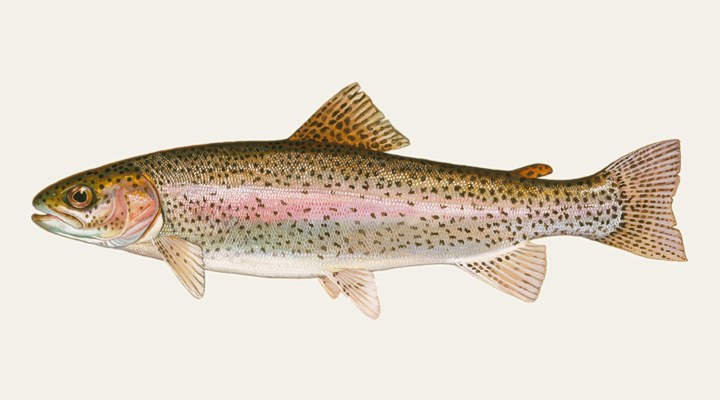
Rainbow troutExcellent

In cold water rainbows use the deepest pools in rivers (Vermont), so slow, deep drifts there are the usual approach; Michigan DNR notes lake rainbows are also taken with bait or by jigging through the ice.
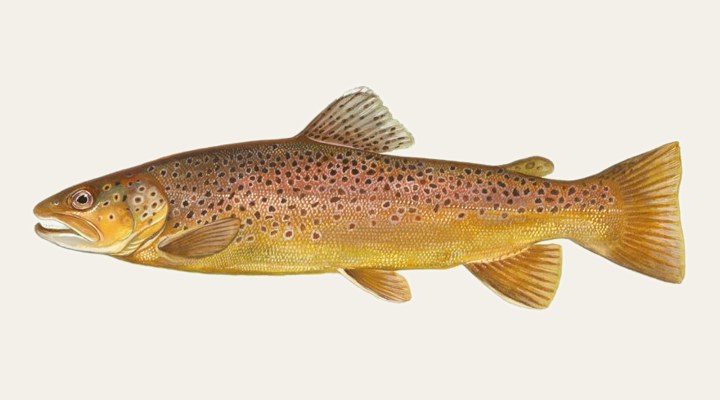
Brown troutExcellent

Below 50Β°F, fish slowly through the deeper pools; in early spring on the Great Lakes, Michigan DNR notes browns are often caught inshore before other species start biting.

Tomorrow: Cooler at 48 F. The solunar majors shift about 50 minutes later.Next report: Sat, Oct 24, 6:30 AMHow this report is made β†’

Before you go

Montana requires a fishing licence from age 12, from $31.00 for residents. What a Montana licence costs and where to buy it β†’

Chasing rainbow trout here? Check the size and bag limits with FWP before you keep anything. The season dates for Montana, read off the agency, are on the Montana seasons page.

Water and weather

Live readings from Yellowstone River near Livingston.

Flow, last 30 days

USGS gauge 06192500.

1,5931,7101,8271,580 cfs09/2310/0310/1310/23

Today’s flow against 102 years of October 23

At 1,580 cfs, the flow at USGS gauge 06192500 (Yellowstone River near Livingston) is at the 21st percentile for the date: below normal. In half of the 102 years of approved record the daily mean on October 23 was below 1,870 cfs; the highest was 3,020 cfs and the lowest 1,190 cfs.

p10 1,463median 1,870p90 2,497

Percentiles of the daily mean flow for this date, from the USGS Water Data Statistics API for gauge 06192500; today’s reading is the latest instantaneous value. Classes follow the ones the USGS used on its WaterWatch maps (retired at the end of 2025): below 10th, much below normal; 10th–24th, below; 25th–75th, normal; 76th–90th, above; over 90th, much above.

Right now

Latest readings

Air temp52 F
High / Low55 / 35 F
WindSSW 14-28 mph
Pressure1006.4 hPa, rising
Sky / Rain100% cloud, 78%
Sunrise / Sunset07:49 / 18:22
MoonWaxing Gibbous, 91%
Water temp (seasonal)~47 F est.

Bite planner

Hour-by-hour bite forecast for today. Tap a bar to see why.

5 AM8 AM11 AM2 PM5 PM8 PMsunrisesunsetPRIMEPRIME

Which day to fish Yellowstone River this week

Today is the pick of the week on Yellowstone River, at 3 out of 5.

Best day this week: today, Oct 23 β€” fair at 3/5, rising pressure behind a front, typically the slowest.

Today, Oct 23 β€” Fair

A steady pattern: dawn and dusk carry the day.

Solunar majors
9:59 AM-11:59 AM and 10:30 PM-12:30 AM
Minor period
4:24 AM-5:24 AM
Sun
07:49 to 18:22
Moon
Waxing Gibbous, 91% lit
Sky and wind
Rain, 18 mph
Rain chance
78%

Forecast-based scores, less reliable further out: how the score is built.

Species guide

The species that matter on Yellowstone River: seasons, structure and how to fish each one. Today's ratings live in the report above.

Rainbow trout illustration

Rainbow trout

Spring and fall in most lakes; rivers fish year-round while the water stays cool

A cold-water trout native to Pacific drainages from Alaska to Baja California, now stocked in most states and fished in rivers, tailwaters and lakes. In cold water rainbows use the deepest pools in rivers (Vermont), so slow, deep drifts there are the usual approach; Michigan DNR notes lake rainbows are also taken with bait or by jigging through the ice.

Brown trout illustration

Brown trout

Spring along Great Lakes shorelines; low light and overcast days in rivers; fall spawning runs

A European trout first stocked in the US in 1883 and now fished in rivers and lakes nationwide; it tolerates warmer water than other trout, and mature stream fish feed mostly at night. Below 50Β°F, fish slowly through the deeper pools; in early spring on the Great Lakes, Michigan DNR notes browns are often caught inshore before other species start biting.

When to come: the Yellowstone River calendar

Activity by species and month, and how the water warms through the year. Tap any cell.

Species activity by month

1 = slow, 5 = peak. Current month highlighted.

J
F
M
A
M
J
J
A
S
O
N
D
Rainbow trout
Brown trout
SlowPeak

Water temperature through the year

Typical surface temperature for this water type; today is around 47 F (estimated, not a reading).

30405060JanMarMayJulSepNovOct, ~47 F now

Angler reports

Real reports from real anglers, reviewed before publishing. The water log below tracks each day automatically.

No angler reports yet this weekBe the first: your report helps every angler who checks Yellowstone River today, and we feature the best catch of the week.

Water log, last days

Auto-logged from live data
Thu, Oct 22

3/5 Fair. Fish the windows. A steady pattern: dawn and dusk carry the day. Rainbow trout led the card at excellent. High of 73 F, wind to 15 mph.

Wed, Oct 21

3/5 Fair. Fish the windows. A steady pattern: dawn and dusk carry the day. Rainbow trout led the card at excellent. High of 72 F, wind to 18 mph.

Tue, Oct 20

3/5 Fair. Fish the windows. A steady pattern: dawn and dusk carry the day. Rainbow trout led the card at excellent. High of 67 F, wind to 10 mph.

Where roughly, what depth, what bait. Skip anything you want to keep secret.
Only used if we need to ask you about your report. No mailing list, no spam.

Before you go

License

Montana requires a valid fishing license for adults. Buy online from the state agency; one-day options exist for visitors.

Regulations

Montana license + AIS pass. Standard trout limits with artificial-lure sections: check FWP by reach. Whirling-disease closures possible in hot/low years.

Access

FAS launches every 5-10 miles from Gardiner to Big Timber: Carter's, Mallard's Rest, Pine Creek, Grey Owl among the classics.

About this water

692 undammed miles from Yellowstone Park to the Missouri. The Paradise Valley reach is the storied core.

Fishing Yellowstone River: the full guide

The free river

No dam touches the Yellowstone from park to Missouri: flows, temperatures and fish do what rivers did before engineering. The blue-ribbon heart runs from Gardiner through Paradise Valley to Big Timber: cutthroat and rainbows in the upper reaches, browns thickening downstream, all of it drift-boat water framed by the Absarokas.

Reading a wild flow

Runoff rules the calendar: the river blows out in May-June and the fishing year starts when it clears (usually early July). From then: salmonfly stragglers, golden stones, and the hopper months (July-September) when Paradise Valley banks produce the West's most famous terrestrial fishing. Fall drops flows and brings baetis and streamer weather for the big browns.

Floating the valley

Access is float-first: Carter's Bridge, Mallard's Rest, Pine Creek, Mill Creek launches chain the valley into half-day drifts. Wade access exists at every FAS but the river's size favors boats. The town stretch through Livingston fishes better than town stretches should: browns eat streamers under the train bridge.

Beyond the tourist water

Below Big Timber, the Yellowstone turns big and brawny: fewer anglers, big browns on streamers, and a warm-water blend (smallmouth appear by Columbus) that most trout tourists never see. The prairie river from Billings east runs sauger, catfish and paddlefish: one river, three fisheries, zero dams.

Common questions

When does the Yellowstone clear after runoff?

Typically early July: the fishing year compresses into July-October, which is why the hopper season feels so intense. Check the Livingston gauge: under 3,000 CFS and dropping means game on.

Do I need a boat for Paradise Valley?

The river fishes best floated, but every FAS offers real wade water at summer flows: Pine Creek and Mallard's Rest wade well. August wading the side channels with hoppers is classic Montana.

Is fishing good at Yellowstone River right now?

Check the daily report at the top of this page: it is regenerated every morning from live data. Today's read: Fair. Fish the windows. A steady pattern: dawn and dusk carry the day.

Nearby waters

Where this page's numbers come from

River and reservoir readings
USGS 06192500 β€” Yellowstone River near Livingston
Read from the USGS Water Data API (api.waterdata.usgs.gov). Latest value timestamped 2026-10-23 at 19:00 UTC.
Weather and pressure
Open-Meteo forecast model
Queried at 45.6600, -110.5610 in this water's own timezone. A model, not an observation.
Moon and solunar windows
Calculated on this site
Astronomical calculation from these coordinates and the date, not a third-party feed. How much weight it deserves.
The written guide on this page
Pablo Ruiz Quintero
How this page was made. The daily report is computed by our scoring engine from live readings; nobody types it. The written guide was drafted with AI assistance. Unlike our newer pages, it does not yet list the official pages its facts were checked against: that audit is under way, and anything it cannot verify will be taken out. Pablo Ruiz Quintero sets every guideline, the data-verification system and the minimum standards a page must meet to be published, reviews page structure and approves what goes live; the responsibility is his, and the AI carries out the work. We work this way because it is how one person can keep every page current with named sources. Errors are published in the verification log; the full policy is in the editorial policy.

Readings refresh on a 30-minute window. The full method, with every figure and its source, is on how our reports are made. Something wrong here? Tell us and it goes in the log with the date.