Species
Pick your fish: seasons, techniques and the best waters we cover for each one.
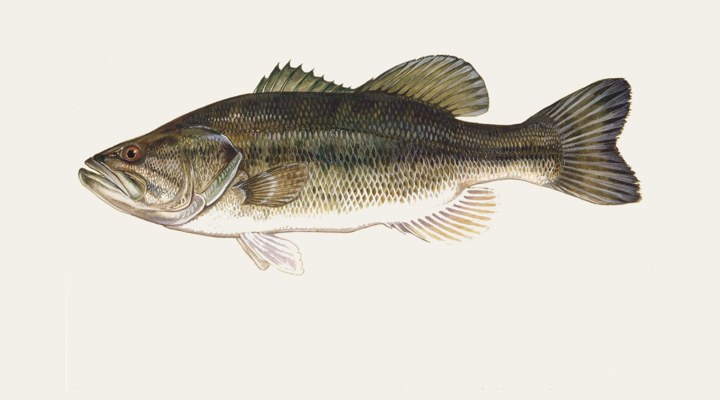
Largemouth bass
A warm-water sunfish of lakes, reservoirs, ponds and slow river backwaters that holds tight to cover: weeds, logs, rock ledges and docks. In Texas, TPWD surveys rank it "by far" the freshwater fish anglers most want to catch.
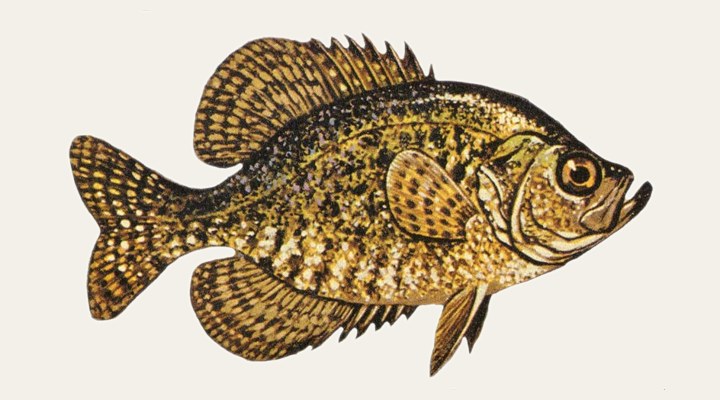
Crappie
Two slab-sided panfish, the white crappie and the black crappie, that gather around submerged timber, brush piles, docks and bridge pilings in lakes, reservoirs and slow river backwaters. Texas Parks and Wildlife counts crappie as the state's most popular panfish.
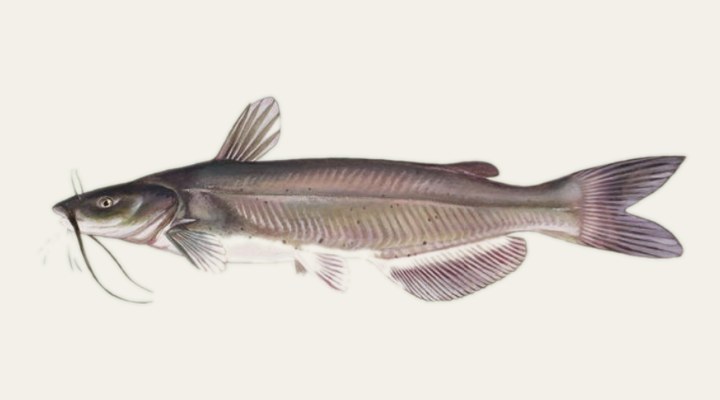
Catfish (blue, channel)
Three big catfish share most of the country's rivers and reservoirs: the channel catfish, the most widespread; the blue catfish, the largest; and the flathead, which hunts live fish. All feed mostly on or near the bottom.
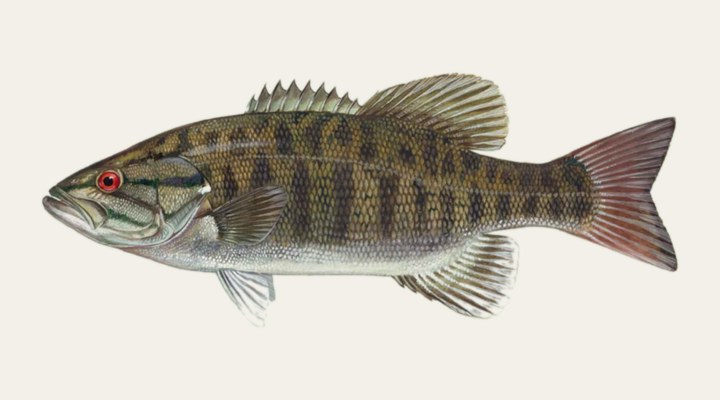
Smallmouth bass
A bronze-brown black bass of clear, cool streams and rocky lakes, with dark vertical bars instead of a side stripe. Michigan DNR says its southeastern coast, from Port Huron to Lake Erie, is known nationally for both the size and the number of its smallmouth.
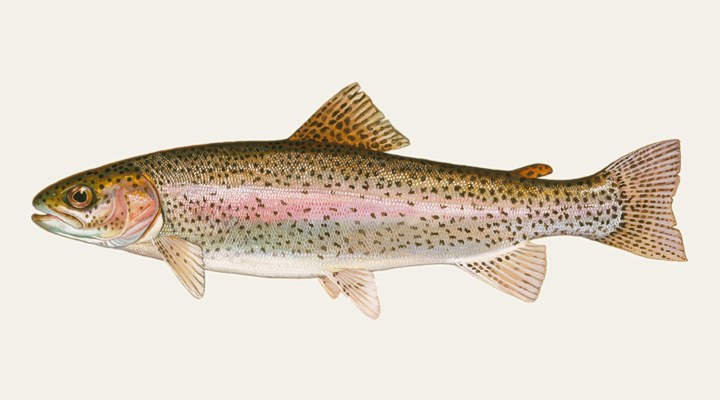
Rainbow trout
A cold-water trout native to Pacific drainages from Alaska to Baja California, now stocked in most states and fished in rivers, tailwaters and lakes.
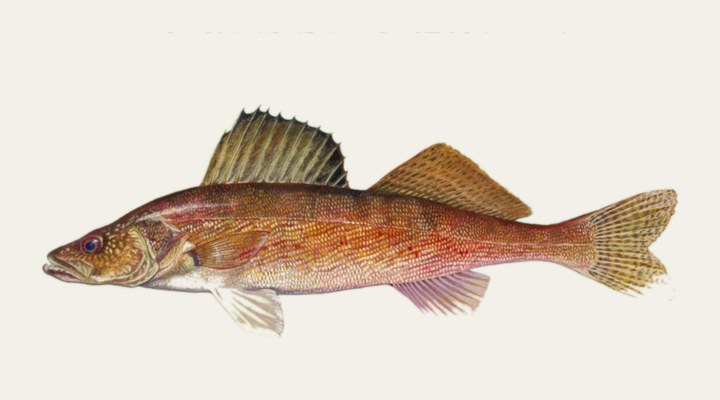
Walleye
A cool-water perch of large lakes, reservoirs and rivers whose reflective eyes are built for low light, so it feeds most at night and in murky water. The Missouri Department of Conservation ranks it among the continent's most important freshwater game fish.
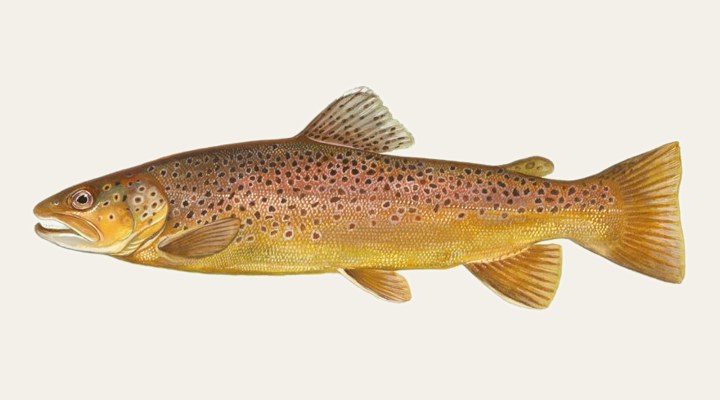
Brown trout
A European trout first stocked in the US in 1883 and now fished in rivers and lakes nationwide; it tolerates warmer water than other trout, and mature stream fish feed mostly at night.
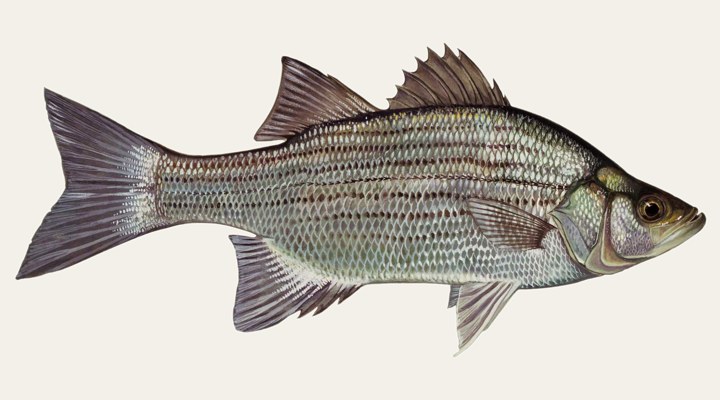
White bass
A silvery temperate bass of rivers and large reservoirs, also called sand bass, that schools in open water after shad and runs up tributaries to spawn in early spring.
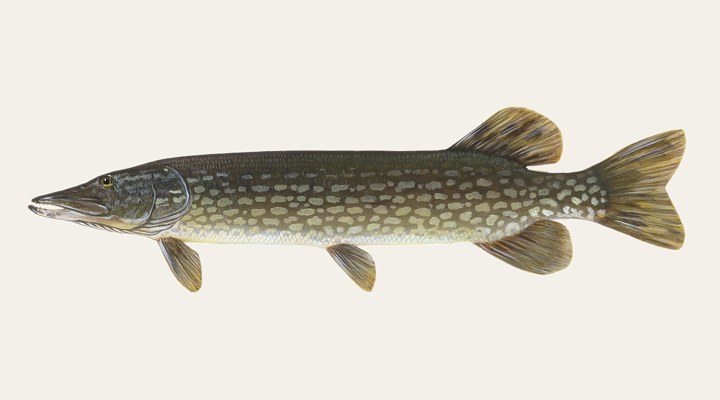
Northern pike
A long, duck-billed predator of weedy lakes, slow rivers and backwaters that ambushes fish from vegetation. Wisconsin DNR points out that, unlike most of the state's common game fish, pike do their best feeding in cool water.
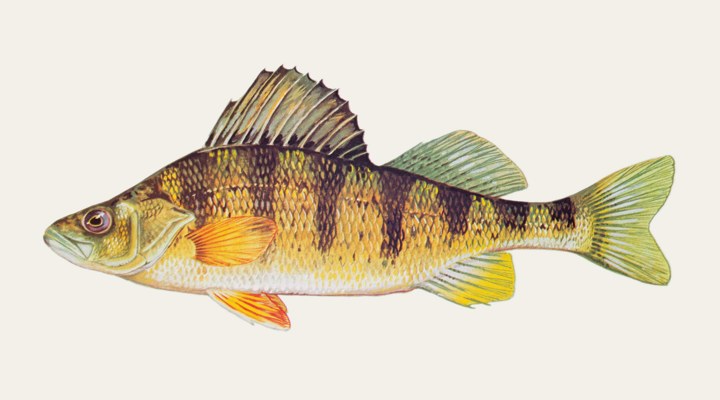
Yellow perch
Yellow perch are schooling panfish of the Great Lakes and northern lakes, and Michigan DNR calls them the game fish most often caught in that state.
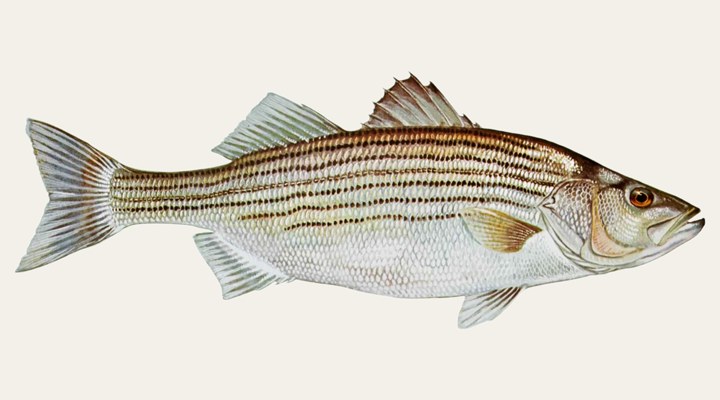
Striped bass
The largest of the temperate basses, a sea-run fish of the Atlantic and Gulf coasts that now also lives in reservoirs across much of the country after hatchery stocking. Inland, it follows schools of shad and herring through open water.
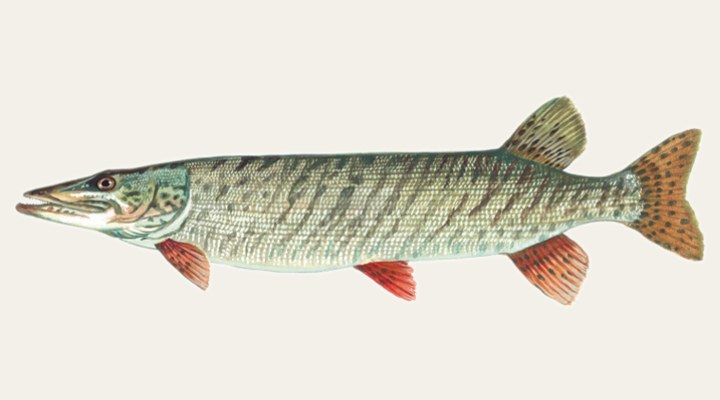
Muskellunge
Muskellunge are solitary, fish-eating ambush predators of the pike family, holding in weed beds and other cover in lakes and rivers of the Great Lakes, upper Mississippi and Ohio basins.
Hybrid striped bass
A hatchery cross of striped bass and white bass, also called wiper or palmetto bass, stocked by state agencies into reservoirs and rivers as a sport fish that also eats gizzard shad. Schools roam open water after shad.
Steelhead
Steelhead are rainbow trout that migrate to the Pacific or the Great Lakes to grow, then return up rivers to spawn; unlike most Pacific salmon they can survive spawning and spawn again.
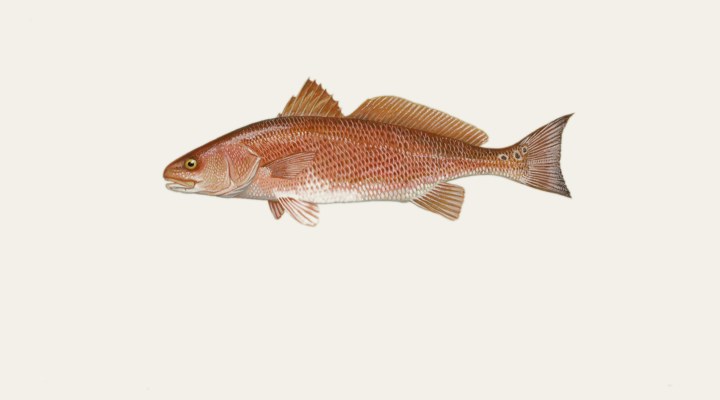
Redfish (red drum)
Red drum (Sciaenops ocellatus), called redfish across the South, is a bronze inshore drum with a black spot near the tail, fished on grass flats, oyster bars, marsh creeks and beaches from the Chesapeake around Florida to Texas.
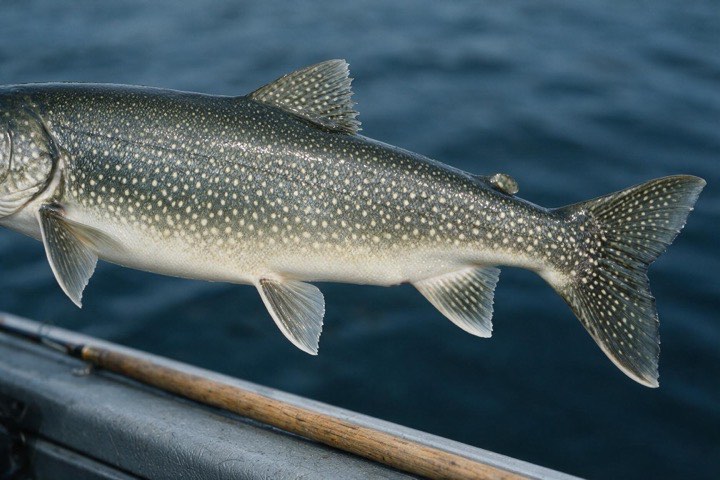
Lake trout
Lake trout are slow-growing chars of large, deep, cold lakes, native from Alaska and northern Canada to New England and the Great Lakes, and introduced in many western lakes.
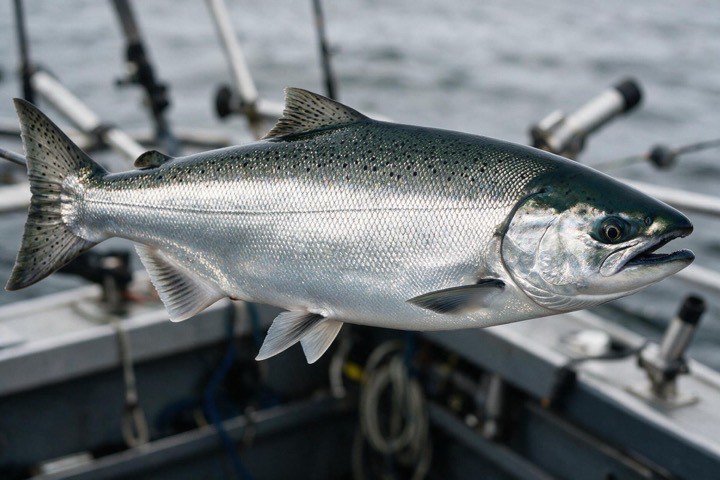
Chinook salmon
The largest Pacific salmon, caught by trolling and mooching at sea and by drifting and plunking in rivers as adults return to spawn; also stocked in the Great Lakes.
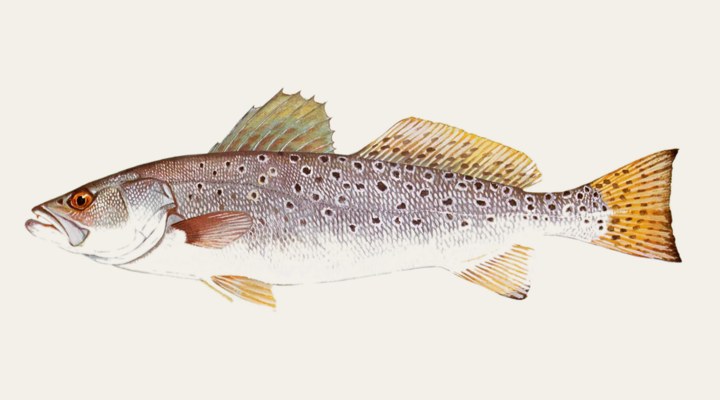
Speckled trout
Speckled trout is the anglers' name for the spotted seatrout (Cynoscion nebulosus), a spotted member of the drum family that lives in shallow bays and estuaries from the Chesapeake to Texas.
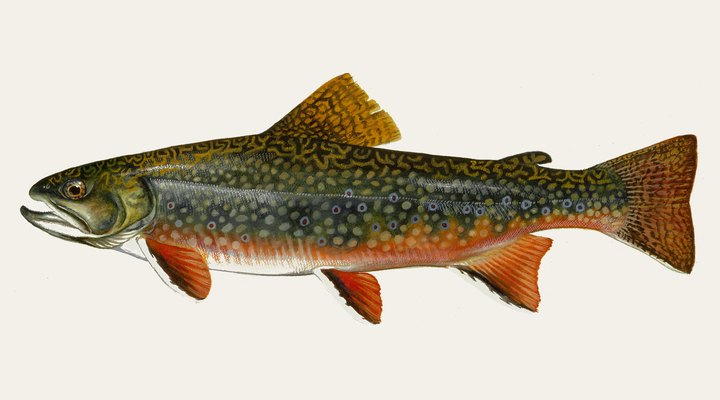
Brook trout
The brook trout is a char native to eastern North America, a fish of cold, clean streams and ponds, and the state fish of Michigan.
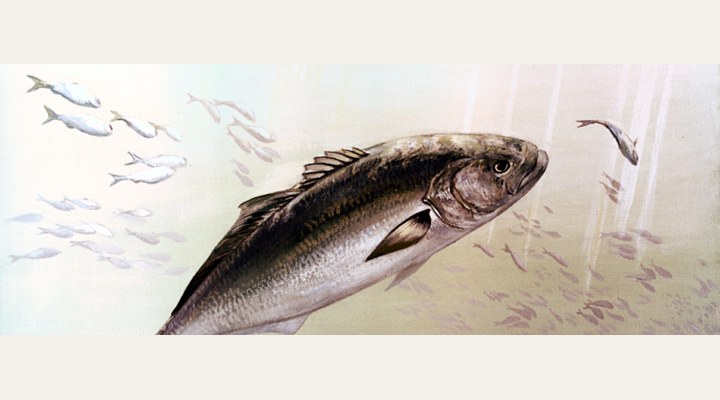
Bluefish
Bluefish (Pomatomus saltatrix) are sharp-toothed schooling predators that move up and down the Atlantic coast with the seasons and feed in surface blitzes on menhaden, silversides and squid.
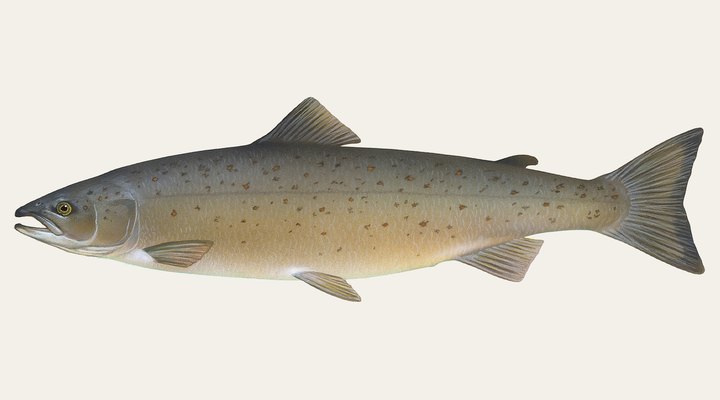
Landlocked salmon
Landlocked salmon are Atlantic salmon that complete their whole life in fresh water, feeding mainly on rainbow smelt in cold lakes of Maine and the Northeast.
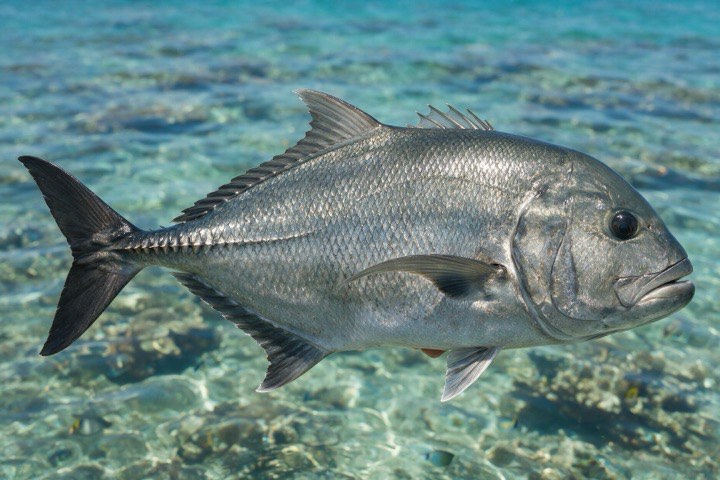
Giant trevally (ulua)
Giant trevally (Caranx ignobilis), ulua in Hawaii, is the largest of the Indo-Pacific Caranx jacks, a reef predator that in US waters is fished mainly around the Hawaiian Islands, from shore and from boats.
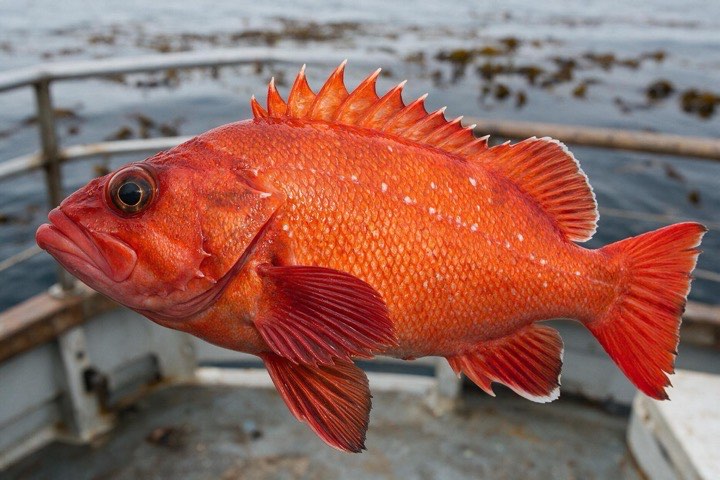
Rockfish (Pacific)
Pacific rockfish are about 60 Sebastes species managed under the federal groundfish plan, from black and blue rockfish schooling over shallow reefs to yelloweye that live more than a century in deep water.
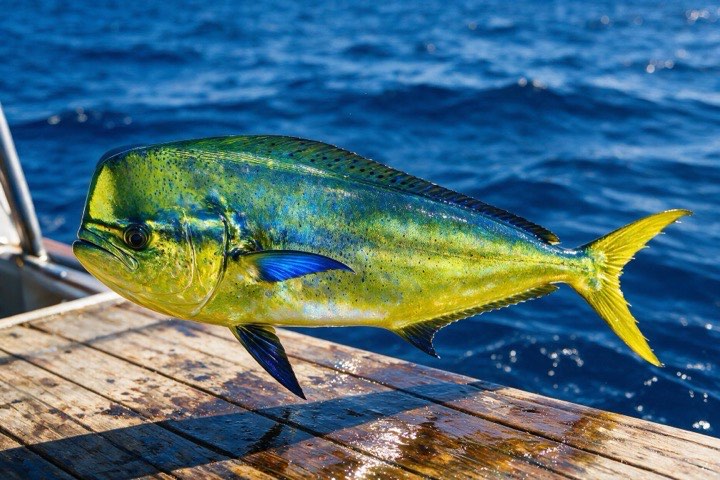
Mahi-mahi (dorado)
Mahi-mahi (Coryphaena hippurus), also called dolphin or dolphinfish, is a fast-growing open-ocean fish of warm water, caught in US waters from Massachusetts to Texas, around Puerto Rico and the Virgin Islands, and from California to Hawaii.
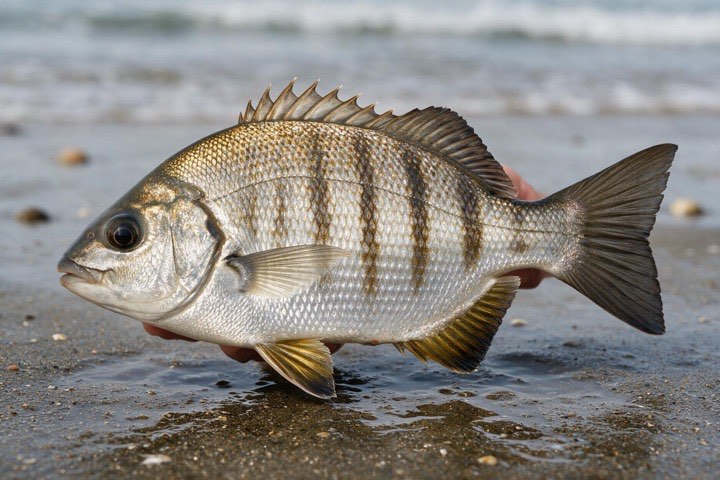
Surfperch
Barred and redtail surfperch are the large perches of Pacific sandy beaches: barred from northern California into Baja, redtail from Vancouver Island to San Luis Obispo County, overlapping along central California.
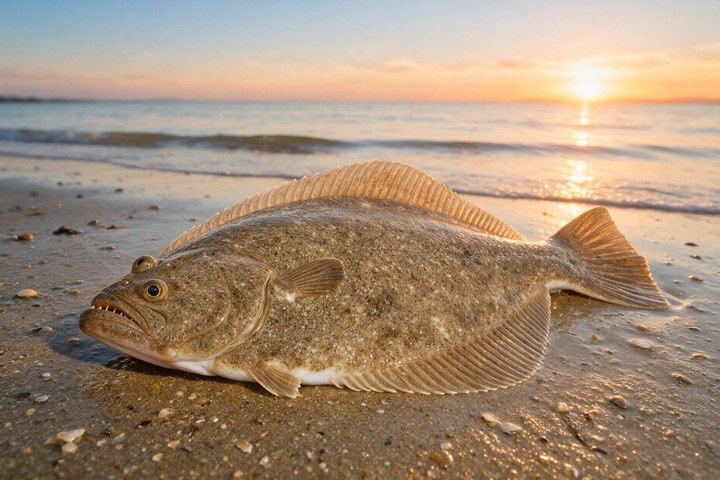
California halibut
California halibut (Paralichthys californicus) is a large flatfish of sand and mud bottoms in bays, estuaries and shallow coastal water, an ambush predator that lifts off the bottom to take anchovies and squid.