Cochiti Lake Fishing Report

Updated Fri, Oct 23, 2026 from live gauge and weather data

A no-wake lake on the Rio Grande: Cochiti holds walleye, pike and bass in quiet water below the Jemez.

3/5
Fair. Fish the windows.A steady pattern: dawn and dusk carry the day.
Flow
4 cfs
Air / High
70 / 73 F
Wind
WSW 6 mph

Sources: USGS gauge 08329000, Open-Meteo, solunar calculated for these coordinates.

Satellite view
Friday
23
October 2026

Today's Fishing Report

Generated this morning from live readings: gauge, weather model, sun and moon. A fresh report is published here every morning.

3/5Fair. Fish the windows.A steady pattern: dawn and dusk carry the day.

Cochiti Lake is in transition: bait on the move and predators following. Today brings a mixed sky, wind WSW around 6 mph, rising pressure near 1010 hPa and a high of 73. Water sits around 55 F for the season (estimated). With the waxing gibbous, the solunar majors run 9:43 AM-11:43 AM and 10:11 PM-12:11 AM: the windows to build the day around.

The plan, species by species
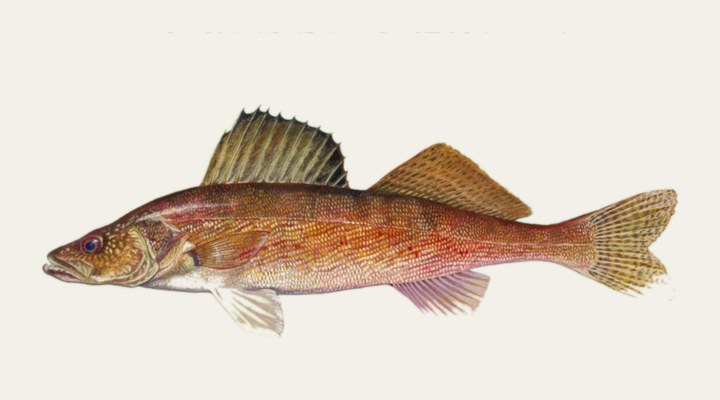
WalleyeGood

Spring: post-spawn fish scatter and can be slow for a couple of weeks. Fall: one of the best windows, with minnows on jigs and three-way rigs as the water cools toward ice-up.
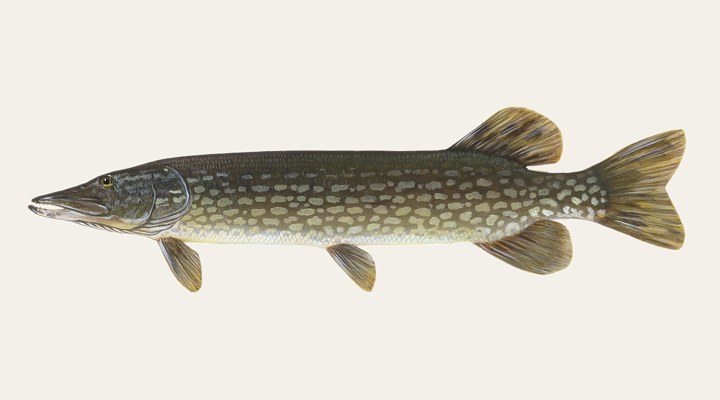
Northern pikeGood

The best band for pike: right after ice-out they move into flooded vegetated shallows to spawn, and they feed actively again as the water cools in fall.
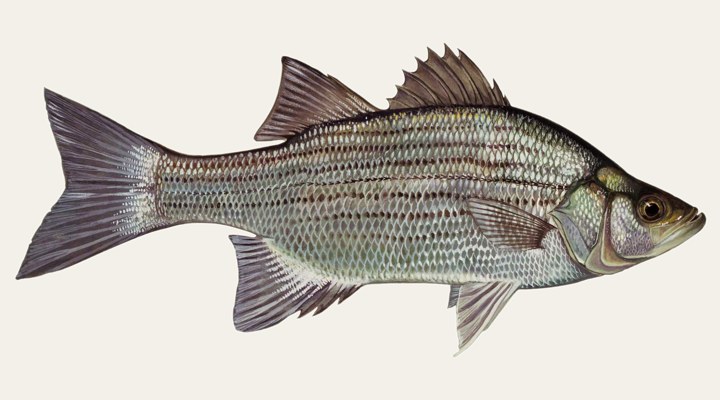
White bassFair

The spring run happens in this band: tributaries, shoals and the upper ends of reservoirs as the water reaches about 55Β°F.

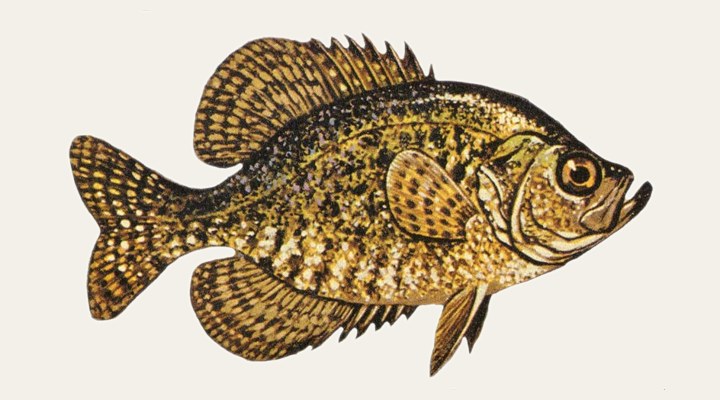
CrappieFair

Pre-spawn fish move toward shallow coves, and Iowa DNR points to wading as an effective way to reach them in spring; minnows or small jigs under a float.

Tomorrow: Cooler at 61 F with likely rain: fish ahead of the front. The solunar majors shift about 50 minutes later.Next report: Sat, Oct 24, 6:30 AMHow this report is made β†’

Before you go

New Mexico requires a fishing licence from age 12, from $49.00 for residents. What a New Mexico licence costs and where to buy it β†’

Chasing walleye here? Check the size and bag limits with NMDOW before you keep anything. The season dates for New Mexico, read off the agency, are on the New Mexico seasons page.

Water and weather

Live readings from Jemez River below Jemez Canyon Dam.

No recent gauge reading

USGS 08329000 has not returned a reading for this chart; it comes back when the gauge reports again. Until then conditions are modeled from weather, season and the nearest stations.

304050607080JanMarMayJulSepNovOct, ~55 F now

Right now

Latest readings

Air temp70 F
High / Low73 / 51 F
WindWSW 6-14 mph
Pressure1009.7 hPa, rising
Sky / Rain32% cloud, 62%
Sunrise / Sunset07:18 / 18:19
MoonWaxing Gibbous, 91%
Water temp (seasonal)~55 F est.

Bite planner

Hour-by-hour bite forecast for today. Tap a bar to see why.

5 AM8 AM11 AM2 PM5 PM8 PMsunrisesunsetPRIMEPRIME

Which day to fish Cochiti Lake this week

Today is the pick of the week on Cochiti Lake, at 3 out of 5.

Best day this week: today, Oct 23 β€” fair at 3/5, rising pressure behind a front, typically the slowest.

Today, Oct 23 β€” Fair

A steady pattern: dawn and dusk carry the day.

Solunar majors
9:43 AM-11:43 AM and 10:11 PM-12:11 AM
Minor period
4:06 AM-5:06 AM
Sun
07:18 to 18:19
Moon
Waxing Gibbous, 91% lit
Sky and wind
Rain, 18 mph
Rain chance
62%

Forecast-based scores, less reliable further out: how the score is built.

Species guide

The species that matter on Cochiti Lake: seasons, structure and how to fish each one. Today's ratings live in the report above.

Walleye illustration

Walleye

Best: spring and late fall, around dawn, dusk and night

A cool-water perch of large lakes, reservoirs and rivers whose reflective eyes are built for low light, so it feeds most at night and in murky water. The Missouri Department of Conservation ranks it among the continent's most important freshwater game fish. Spring: post-spawn fish scatter and can be slow for a couple of weeks. Fall: one of the best windows, with minnows on jigs and three-way rigs as the water cools toward ice-up.

White bass illustration

White bass

Best: the spring run up the tributaries, then summer surface schools

A silvery temperate bass of rivers and large reservoirs, also called sand bass, that schools in open water after shad and runs up tributaries to spawn in early spring. The spring run happens in this band: tributaries, shoals and the upper ends of reservoirs as the water reaches about 55Β°F.

Northern pike illustration

Northern pike

Best: cool water, from ice-out through spring, in fall and under the ice

A long, duck-billed predator of weedy lakes, slow rivers and backwaters that ambushes fish from vegetation. Wisconsin DNR points out that, unlike most of the state's common game fish, pike do their best feeding in cool water. The best band for pike: right after ice-out they move into flooded vegetated shallows to spawn, and they feed actively again as the water cools in fall.

Crappie illustration

Crappie

Best: the spring spawn; summer around docks, brush and the thermocline

Two slab-sided panfish, the white crappie and the black crappie, that gather around submerged timber, brush piles, docks and bridge pilings in lakes, reservoirs and slow river backwaters. Texas Parks and Wildlife counts crappie as the state's most popular panfish. Pre-spawn fish move toward shallow coves, and Iowa DNR points to wading as an effective way to reach them in spring; minnows or small jigs under a float.

When to come: the Cochiti Lake calendar

Activity by species and month, and how the water warms through the year. Tap any cell.

Species activity by month

1 = slow, 5 = peak. Current month highlighted.

J
F
M
A
M
J
J
A
S
O
N
D
Walleye
White bass
Northern pike
Crappie
SlowPeak

Water temperature through the year

Typical surface temperature for this water type; today is around 55 F (estimated, not a reading).

304050607080JanMarMayJulSepNovOct, ~55 F now

Angler reports

Real reports from real anglers, reviewed before publishing. The water log below tracks each day automatically.

No angler reports yet this weekBe the first: your report helps every angler who checks Cochiti Lake today, and we feature the best catch of the week.

Water log, last days

Auto-logged from live data
Thu, Oct 22

3/5 Fair. Fish the windows. A steady pattern: dawn and dusk carry the day. Walleye led the card at good. High of 77 F, wind to 21 mph.

Wed, Oct 21

3/5 Fair. Fish the windows. A steady pattern: dawn and dusk carry the day. Walleye led the card at good. High of 77 F, wind to 9 mph.

Tue, Oct 20

3/5 Fair. Fish the windows. A steady pattern: dawn and dusk carry the day. Walleye led the card at good. High of 73 F, wind to 10 mph.

Where roughly, what depth, what bait. Skip anything you want to keep secret.
Only used if we need to ask you about your report. No mailing list, no spam.

Before you go

License

New Mexico requires a valid fishing license for adults. Buy online from the state agency; one-day options exist for visitors.

Regulations

New Mexico license. No-wake boating lake-wide. Walleye, pike and bass limits per current NMDGF regulations; respect pueblo boundaries and posted closures.

Access

Corps recreation areas at Cochiti and Tetilla Peak: ramps, camping and day use.

About this water

A 1,200-acre Corps flood-control lake on the Rio Grande, Sandoval County, New Mexico, on Cochiti Pueblo land.

Fishing Cochiti Lake: the full guide

A flood-control lake with rules

Cochiti Lake covers about 1,200 acres on the Rio Grande north of Albuquerque, built for flood and sediment control and managed as a no-wake lake, which keeps it calm and fishable all day. Located on Cochiti Pueblo land with the Corps managing the recreation areas, it holds walleye, northern pike, smallmouth and largemouth bass, catfish, crappie and white bass.

Walleye and pike

Walleye hold the points, rocky shorelines and deeper flats: jigs in spring, trolled harnesses through summer. Northern pike patrol the weedier coves and shallow arms, taking spoons, spinnerbaits and large plastics, and they reach good size in the fertile water. Both fisheries benefit from the no-wake rule that keeps the lake quiet.

Bass and the seasons

Smallmouth work the rock, largemouth the brush and coves. White bass and crappie appear in numbers depending on the year. Spring and fall are the best seasons; summer heat pushes fish deeper and the afternoon wind builds chop even without boat wakes. Winter fishing continues for the dedicated, with the lake rarely freezing hard.

Pueblo-area logistics

The Corps operates the recreation areas with ramps, camping and day-use facilities on both the Cochiti and Tetilla Peak sides. Rules reflect the pueblo partnership: respect posted boundaries and closures. Santa Fe and Albuquerque are both within an hour, making this the most convenient lake fishing for a large share of New Mexico’s population.

Common questions

What does no-wake mean?

All boats must run at no-wake speed lake-wide, which keeps the water calm and the fishing comfortable throughout the day.

Are the pike big?

They reach good size in the fertile water, holding in the weedier coves and shallow arms.

How close is it to the cities?

Within an hour of both Santa Fe and Albuquerque: the most convenient lake fishing for much of the state.

Is fishing good at Cochiti Lake right now?

Check the daily report at the top of this page: it is regenerated every morning from live data. Today's read: Fair. Fish the windows. A steady pattern: dawn and dusk carry the day.

Nearby waters

Where this page's numbers come from

River and reservoir readings
USGS 08329000 β€” Jemez River below Jemez Canyon Dam
Read from the USGS Water Data API (api.waterdata.usgs.gov). Latest value timestamped 2006-09-19 at 05:45 UTC.
Weather and pressure
Open-Meteo forecast model
Queried at 35.6300, -106.3200 in this water's own timezone. A model, not an observation.
Moon and solunar windows
Calculated on this site
Astronomical calculation from these coordinates and the date, not a third-party feed. How much weight it deserves.
The written guide on this page
Pablo Ruiz Quintero
How this page was made. The daily report is computed by our scoring engine from live readings; nobody types it. The written guide was drafted with AI assistance. Unlike our newer pages, it does not yet list the official pages its facts were checked against: that audit is under way, and anything it cannot verify will be taken out. Pablo Ruiz Quintero sets every guideline, the data-verification system and the minimum standards a page must meet to be published, reviews page structure and approves what goes live; the responsibility is his, and the AI carries out the work. We work this way because it is how one person can keep every page current with named sources. Errors are published in the verification log; the full policy is in the editorial policy.

Readings refresh on a 30-minute window. The full method, with every figure and its source, is on how our reports are made. Something wrong here? Tell us and it goes in the log with the date.