Cape Hatteras Fishing Report

Updated Fri, Oct 23, 2026 from live gauge and weather data

The surf-fishing capital of the Atlantic: Diamond Shoals, drum runs and the beach where casting records are set.

3/5
Fair. Fish the windows.A steady pattern: dawn and dusk carry the day.
Next tide
High 7:30 PM
Air / High
69 / 69 F
Wind
NNE 12 mph

Sources: NOAA tides 8654467, Open-Meteo, solunar calculated for these coordinates.

Satellite view
Friday
23
October 2026

Today's Fishing Report

Generated this morning from live readings: gauge, weather model, sun and moon. A fresh report is published here every morning.

3/5Fair. Fish the windows.A steady pattern: dawn and dusk carry the day.

Cape Hatteras rewards those who follow the bait as the water cools. Today brings clear skies, wind NNE around 12 mph, steady pressure near 1022 hPa and a high of 69. Tides: high 7:08 AM and 7:30 PM, low 1:11 AM and 2:07 PM: the moving water either side of each change is when this place feeds. Water sits around 64 F for the season (estimated). With the waxing gibbous, the solunar majors run 9:37 AM-11:37 AM and 10:05 PM-12:05 AM: the windows to build the day around.

The plan, species by species
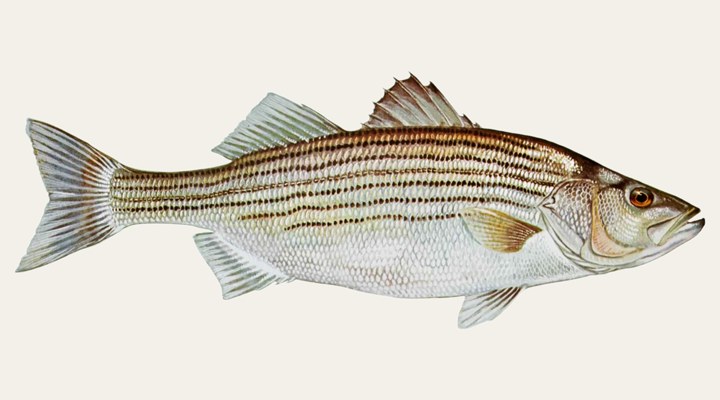
Striped bassExcellent

Spring and fall are the shoreline seasons: ODWC points to windblown points, riprap and dams during the May shad spawn and the pre-winter feed.
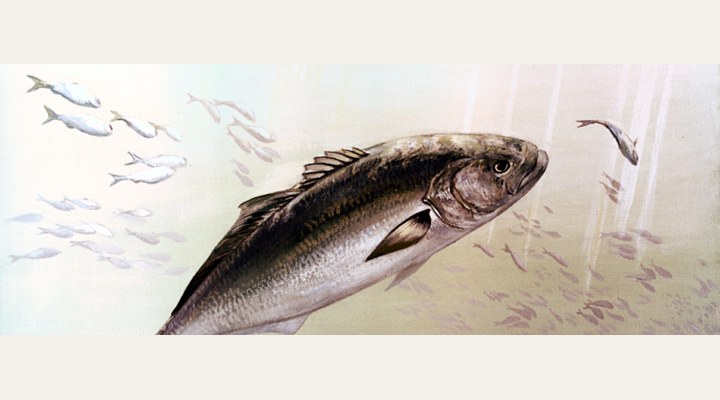
BluefishExcellent

Fall turns the migration south toward the South Atlantic Bight, and fish feed along beaches and inlets on the way. Follow the bait and the birds.
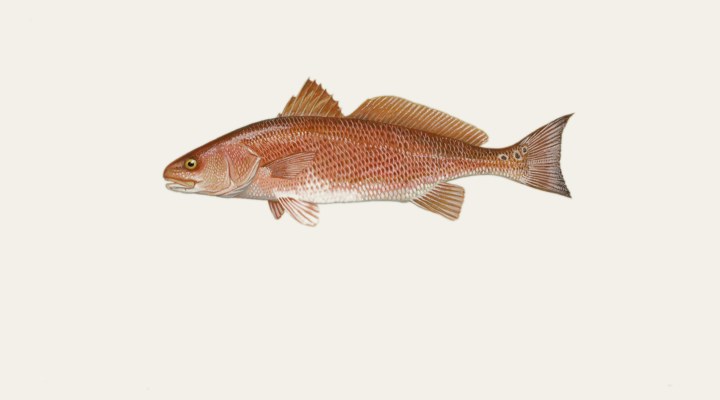
Redfish (red drum)Excellent

Late summer into fall is spawning time (mid-August to mid-October on the Gulf, per TPWD), and big adults gather off passes and beaches. Surf and pier anglers soak fresh cut mullet, larger live mullet or blue crab on bottom rigs.

Tomorrow: Similar at 69 F. The solunar majors shift about 50 minutes later.Next report: Sat, Oct 24, 6:30 AMHow this report is made β†’

Before you go

North Carolina requires a fishing licence from age 16, from $32.00 for residents, and salt water needs its own licence here. What a North Carolina licence costs and where to buy it β†’

Chasing striped bass here? Check the size and bag limits with NCWRC before you keep anything. The season dates for North Carolina, read off the agency, are on the North Carolina seasons page.

Water and weather

Live readings.

Tides

NOAA station 8654467 (USCG Station Hatteras). Fish the moving water either side of each change.

Fri
LOW1:11 AM0.5 ft
HIGH7:08 AM0.8 ft
LOW2:07 PM0.5 ft
HIGH7:30 PM0.7 ft
Sat
LOW1:53 AM0.5 ft
HIGH7:50 AM0.9 ft
LOW3:01 PM0.5 ft
HIGH8:14 PM0.7 ft

Cape Hatteras tide chart: the week and the month β†’

Right now

Latest readings

Air temp69 F
High / Low69 / 57 F
WindNNE 12-18 mph
Pressure1022.1 hPa, steady
Sky / Rain9% cloud, 2%
Sunrise / Sunset07:15 / 18:17
MoonWaxing Gibbous, 91%
Water temp (seasonal)~64 F est.

Bite planner

Hour-by-hour bite forecast for today. Tap a bar to see why.

5 AM8 AM11 AM2 PM5 PM8 PMsunrisesunsetPRIMEPRIME

Which day to fish Cape Hatteras this week

The best day on Cape Hatteras this week looks like Saturday Oct 24, at 4 out of 5, against 3 today.

Best day this week: Saturday, Oct 24 β€” good at 4/5, falling pressure, usually the best window of a week.

Today, Oct 23 β€” Fair

A steady pattern: dawn and dusk carry the day.

Solunar majors
9:37 AM-11:37 AM and 10:05 PM-12:05 AM
Minor period
3:58 AM-4:58 AM
Sun
07:15 to 18:17
Moon
Waxing Gibbous, 91% lit
Sky and wind
Overcast, 17 mph
Rain chance
2%

Forecast-based scores, less reliable further out: how the score is built.

Species guide

The species that matter on Cape Hatteras: seasons, structure and how to fish each one. Today's ratings live in the report above.

Striped bass illustration

Striped bass

Best: spring and fall inland; on the coast, during the seasonal migrations

The largest of the temperate basses, a sea-run fish of the Atlantic and Gulf coasts that now also lives in reservoirs across much of the country after hatchery stocking. Inland, it follows schools of shad and herring through open water. Spring and fall are the shoreline seasons: ODWC points to windblown points, riprap and dams during the May shad spawn and the pre-winter feed.

Bluefish illustration

Bluefish

Peak harvest: May-Oct, most in Jul-Aug (NOAA)

Bluefish (Pomatomus saltatrix) are sharp-toothed schooling predators that move up and down the Atlantic coast with the seasons and feed in surface blitzes on menhaden, silversides and squid. Fall turns the migration south toward the South Atlantic Bight, and fish feed along beaches and inlets on the way. Follow the bait and the birds.

Redfish (red drum) illustration

Redfish (red drum)

Best: late-summer and fall bull run; inshore all year

Red drum (Sciaenops ocellatus), called redfish across the South, is a bronze inshore drum with a black spot near the tail, fished on grass flats, oyster bars, marsh creeks and beaches from the Chesapeake around Florida to Texas. Late summer into fall is spawning time (mid-August to mid-October on the Gulf, per TPWD), and big adults gather off passes and beaches. Surf and pier anglers soak fresh cut mullet, larger live mullet or blue crab on bottom rigs.

When to come: the Cape Hatteras calendar

Activity by species and month, and how the water warms through the year. Tap any cell.

Species activity by month

1 = slow, 5 = peak. Current month highlighted.

J
F
M
A
M
J
J
A
S
O
N
D
Striped bass
Bluefish
Redfish (red drum)
SlowPeak

Water temperature through the year

Typical surface temperature for this water type; today is around 64 F (estimated, not a reading).

4050607080JanMarMayJulSepNovOct, ~64 F now

Angler reports

Real reports from real anglers, reviewed before publishing. The water log below tracks each day automatically.

No angler reports yet this weekBe the first: your report helps every angler who checks Cape Hatteras today, and we feature the best catch of the week.

Water log, last days

Auto-logged from live data
Thu, Oct 22

3/5 Fair. Fish the windows. A steady pattern: dawn and dusk carry the day. Striped bass led the card at excellent. High of 66 F, wind to 16 mph.

Wed, Oct 21

3/5 Fair. Fish the windows. A steady pattern: dawn and dusk carry the day. Striped bass led the card at excellent. High of 65 F, wind to 19 mph.

Tue, Oct 20

2/5 Slow. The wind owns today. 24 mph gusts make boat control the real battle. Striped bass led the card at excellent. High of 67 F, wind to 24 mph.

Where roughly, what depth, what bait. Skip anything you want to keep secret.
Only used if we need to ask you about your report. No mailing list, no spam.

Before you go

License

North Carolina requires a valid fishing license for adults. Buy online from the state agency; one-day options exist for visitors.

Regulations

NC Coastal Recreational Fishing License. Red drum: 18-27 inch slot, 1 per day; the giants are all release. Beach driving needs an NPS ORV permit.

Access

Cape Point via ORV ramps 43-44, Frisco and Ocracoke beaches, Avon and Rodanthe piers.

About this water

Cape Hatteras National Seashore, Dare County, NC. Diamond Shoals: "Graveyard of the Atlantic", cathedral of surf fishing.

Fishing Cape Hatteras: the full guide

Where currents collide

Off Hatteras, the Gulf Stream brushes the Labrador Current over Diamond Shoals: the collision that makes the Outer Banks the Atlantic's greatest surf fishery. Red drum invented the place's legend (the Point is the most famous surf-casting real estate in America), with sea mullet, bluefish, pompano and stripers rotating through the seasons.

Fishing the Point and beyond

Spring (April-May) and fall (Oct-Nov): trophy drum runs at the Point and the inlet bars: 8-and-bait heaved into the sloughs at dusk. Summer: pompano and sea mullet in the mornings, spanish on metal at first light. Winter: when conditions align, stripers push south. Beach driving permits open miles of bar-and-slough water most anglers never walk to.

Reading the wash

Hatteras surf fishing is a literacy test: the sloughs, bars, and cuts rewrite with every blow, and the catch goes to those who read the water before casting. Deep green sloughs against the beach hold drum and blues; the cuts between bars funnel everything on falling tide. Four-wheel-drive beach access (permit required) turns the whole seashore into a drivable fishery: scout at low tide, fish the windows.

Common questions

When is the drum run at Cape Point?

Two windows: late April-May and October-November, on warm southwest blows and evening tides. When a real bite develops, the Point's lineup is shoulder-to-shoulder: etiquette is part of the sport.

What is the drum run at Hatteras?

Red drum past 40 inches surge along the beaches in spring (April-May) and fall (October-November): the Point is the classic stand. Big surf rods, 8-and-bait, circle hooks required.

Is fishing good at Cape Hatteras right now?

Check the daily report at the top of this page: it is regenerated every morning from live data. Today's read: Fair. Fish the windows. A steady pattern: dawn and dusk carry the day.

Nearby waters

Where this page's numbers come from

Tide predictions
NOAA CO-OPS 8654467 β€” USCG Station Hatteras
Harmonic predictions, datum MLLW, local time. 12 high and low events returned for today and the next two days. A prediction, not a measured water level: wind and surge move the real thing.
Weather and pressure
Open-Meteo forecast model
Queried at 35.2230, -75.6350 in this water's own timezone. A model, not an observation.
Moon and solunar windows
Calculated on this site
Astronomical calculation from these coordinates and the date, not a third-party feed. How much weight it deserves.
The written guide on this page
Pablo Ruiz Quintero
How this page was made. The daily report is computed by our scoring engine from live readings; nobody types it. The written guide was drafted with AI assistance. Unlike our newer pages, it does not yet list the official pages its facts were checked against: that audit is under way, and anything it cannot verify will be taken out. Pablo Ruiz Quintero sets every guideline, the data-verification system and the minimum standards a page must meet to be published, reviews page structure and approves what goes live; the responsibility is his, and the AI carries out the work. We work this way because it is how one person can keep every page current with named sources. Errors are published in the verification log; the full policy is in the editorial policy.

Readings refresh on a 30-minute window. The full method, with every figure and its source, is on how our reports are made. Something wrong here? Tell us and it goes in the log with the date.