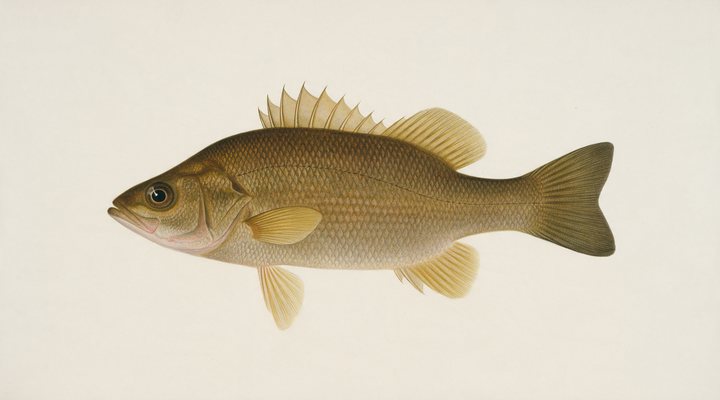
Australian bass
Excellent
Prime. Cast spinnerbaits, small hardbodies and surface lures tight to structure in the rivers; sound up the schools in the dams.
Updated Mon, 9 Nov 2026 from live weather and tide data
Lake Yarrunga behind Tallowa Dam in the Shoalhaven gorges: stocked bass, canoe access only, and a dam site closed until mid-2027 while the road is repaired.
Sources: Bureau of Meteorology gauge 215212, Open-Meteo, solunar calculated for these coordinates.
Tallowa Dam is fishing in its best temperature window, with the bite spread across the day. The gauge reads 56.32 m, holding steady. Today brings clear skies, wind WNW around 2 km/h, rising pressure near 1020 hPa and a high of 20 °C. Water sits around 21 °C for the season (estimated). With the new moon, the solunar majors run 11:05 PM-1:05 AM and 11:33 AM-1:33 PM: the windows to build the day around.
Prime. Cast spinnerbaits, small hardbodies and surface lures tight to structure in the rivers; sound up the schools in the dams.
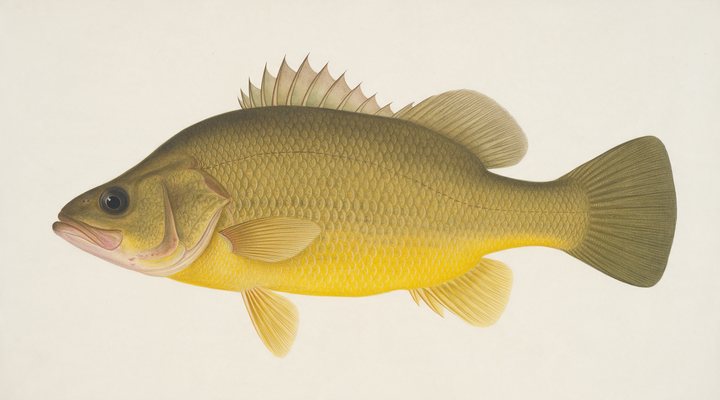
Prime. Hop soft plastics and vibes around the timber, or fish shrimp and worms on the bottom.
Tie on: Soft plastic on a 1/4 oz jighead · Small hardbody, shallow diver · Squid jig, size 3.0 · Fresh pipi or worm on a small hook. Prime windows: 11:05 PM-1:05 AM, 11:33 AM-1:33 PM, 4:51 AM-5:51 AM. Warmer at 27 °C. The solunar majors shift about 50 minutes later.
New South Wales requires a fishing licence for most fishing, from A$7.00. New South Wales fishing licence: cost, rules and where to buy →
Chasing australian bass here? Check the size and bag limits with DPIRD NSW before you keep anything; the Australian bass page has the seasons and the tactics.
Hour-by-hour bite forecast for today from sunrise (05:49), sunset (19:35), the moon and today's score. Tap a bar to see why.
Solunar majors 11:05 PM-1:05 AM and 11:33 AM-1:33 PM; minor 4:51 AM-5:51 AM. New Moon, 0% lit.
Live readings from Bureau of Meteorology station 215212 (TALLOWA DAM).
Bureau of Meteorology Water Data Online, station 215212. Latest reading 2026-11-08 21:45.
Latest readings
The best day on Tallowa Dam this week looks like Thursday 12 Nov, at 5 out of 5, against 2 today.
Best day this week: Thursday, 12 Nov — excellent at 5/5, falling pressure, usually the best window of a week.
Conditions favor short windows and patient fishing.
Forecast-based scores, less reliable further out.
The species that matter on Tallowa Dam: seasons written for the southern year, and how to fish each one. Today's ratings live in the report above.
The native sportfish of the east-coast rivers and the stocked dams. Surface lures in summer, deep in winter, and a river closed season for spawning. Prime. Cast spinnerbaits, small hardbodies and surface lures tight to structure in the rivers; sound up the schools in the dams.
Yellowbelly. The bread-and-butter native of the Murray-Darling lakes and rivers; loves warm water, structure and a lure worked slowly past its nose. Prime. Hop soft plastics and vibes around the timber, or fish shrimp and worms on the bottom.
Activity by species and month for the southern year, and how the water warms and cools. Tap any cell.
1 = slow, 5 = peak. Current month highlighted. January is midsummer here.
Typical surface temperature for this water type in degrees Celsius; today is around 21 °C (estimated, not a reading).
Real reports from real anglers, reviewed before publishing. Nothing here is copied from a shop or a charter. The water log below tracks each day automatically.
4/5 Good. Solid day ahead. Stable-to-falling pressure and workable wind line things up. Australian bass led the card at excellent. High of 18 °C, wind to 21 km/h.
4/5 Good. Solid day ahead. Stable-to-falling pressure and workable wind line things up. Australian bass led the card at excellent. High of 28 °C, wind to 23 km/h.
5/5 Excellent. Go now. Everything lines up: pressure, wind and light are in your favor. Australian bass led the card at excellent. High of 27 °C, wind to 18 km/h.
NSW Recreational Fishing Fee, from A$7.00, the same for residents and visitors. Details and where to buy →
Size and bag limits, closed seasons and marine park zones are set by DPIRD NSW and change: confirm the current rules on the agency page linked from the New South Wales licence page before you keep anything.
Anglers need the NSW Recreational Fishing Fee, which starts at A$7 for three days; our New South Wales licence page has the full list.
Compare it with every other storage in the state on New South Wales dam levels today.
Tallowa Dam is a lake in New South Wales, Australia, covered from the New South Wales reports and listed in all Australia waters.
Tallowa Dam sits immediately downstream of the junction of the Kangaroo and Shoalhaven rivers, about 160 kilometres south of Sydney, and forms Lake Yarrunga, the centrepiece of WaterNSW’s Shoalhaven Scheme. Built in the mid-1970s, the wall is more than half a kilometre long and 43 metres high, and it carries a fish lift that WaterNSW describes as a first in New South Wales. The Bureau of Meteorology’s station at the dam, 215212, supplies the level and the 30-day chart on this page. Important for planning: WaterNSW says the dam site is closed until mid-2027 while National Parks repairs Tallowa Dam Road.
Bass are the fishery. DPIRD’s 2026/27 stocking plan proposes 40,000 Australian bass for Tallowa Dam after a release in 2025/26, and the species card rates bass and golden perch here. The lake is an impoundment, so DPIRD’s 1 May to 31 August bass closure does not apply on it; nor does it apply in the Kangaroo River above the dam, which DPIRD treats as a river above an impoundment. The Shoalhaven below the wall is a river below an impoundment and closes in winter. Macquarie perch are protected in all New South Wales waters.
Lake Yarrunga is a paddler’s water: WaterNSW describes two canoe launching areas, one north of the wall for heading up towards Bendeela and Kangaroo Valley and one below the wall for the lower Shoalhaven, not a powerboat ramp. With the dam road shut, WaterNSW says paddlers must leave the water at Beehive Point or Bendeela. In a gorge lake, bass sit close to rock faces, fallen timber and creek mouths; a small surface lure or a weedless plastic cast tight to cover is the approach. No fishing is allowed next to the fish lift.
The chart records the scheme’s pumping and the freshes that come down the Shoalhaven and Kangaroo after rain; muddy, rising water pushes bass towards clearer side creeks. The water temperature row is an estimate that helps separate summer edge fishing from the slower winter pattern. The gorges cut the wind, so on a mild evening the pressure trend is the more useful row.
Anglers need the NSW Recreational Fishing Fee, which starts at A$7 for three days; our New South Wales licence page has the full list. WaterNSW does not allow camping at the dam recreation area, though remote camps on Lake Yarrunga can be booked. Land-based fishing is available at Bendeela Recreation Area and at Fitzroy Falls Reservoir. DPIRD’s bag of two bass and estuary perch combined is in the sources.
Not by road until mid-2027, according to WaterNSW, because Tallowa Dam Road is being repaired; paddlers must exit the water at Beehive Point or Bendeela.
Not on the lake or in the Kangaroo River above it; DPIRD’s 1 May to 31 August closure applies to the Shoalhaven below the dam, a river below an impoundment.
Check the daily report at the top of this page: it is regenerated every morning from live data. Today's read: Slow. Work for them. Conditions favor short windows and patient fishing.
 Pablo Ruiz Quintero
Readings refresh on a 30-minute window. The full method, with every figure and its source, is on How our reports are made. Something wrong here? Tell us and it goes in the log with the date.