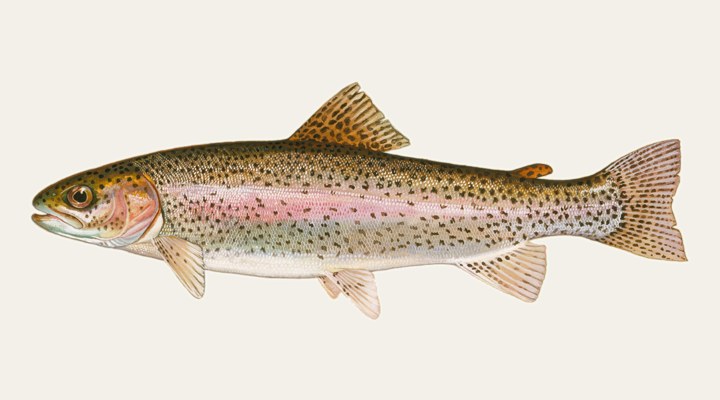
Rainbow trout
Slow
Winter lakes: bait on the bottom in the deeper bays through the middle of the day, or polaroiding the shallows on the bright days in Tasmania.
Updated Fri, 25 Sept 2026 from live weather and tide data
Australia’s deepest lake at the foot of the Overland Track: wild browns and rainbows in cold, clear water inside the national park, with a Bureau gauge at Pump House Point.
Sources: Bureau of Meteorology gauge 131.1, Open-Meteo, solunar calculated for these coordinates.
Lake St Clair is a cold-water proposition today: bait on the bottom and a long soak. The gauge reads 735.18 m, holding steady. Today brings cloud cover, wind W around 10 km/h, rising pressure near 1025 hPa and a high of 14 °C. Water sits around 8 °C for the season (estimated). With the full moon, the solunar majors run 10:25 AM-12:25 PM and 10:25 PM-12:25 AM: the windows to build the day around.
Winter lakes: bait on the bottom in the deeper bays through the middle of the day, or polaroiding the shallows on the bright days in Tasmania.
The lake fishery: bait or slow lures in the deeper bays; the rivers are closed in NSW and Victoria.
Tie on: Bait on the bottom, running sinker · Heavy blade, deep · Slow-rolled swimbait · Live bait, deepest hole. Prime windows: 10:25 AM-12:25 PM, 10:25 PM-12:25 AM, 4:55 AM-5:55 AM. Cooler at 6 °C with likely rain: fish ahead of the front. The solunar majors shift about 50 minutes later.
Tasmania requires a fishing licence for most fishing, from A$29.00. Tasmania fishing licence: cost, rules and where to buy →
Chasing rainbow trout here? Check the size and bag limits with IFS Tasmania before you keep anything; the Rainbow trout page has the seasons and the tactics.
Hour-by-hour bite forecast for today from sunrise (05:59), sunset (18:14), the moon and today's score. Tap a bar to see why.
Solunar majors 10:25 AM-12:25 PM and 10:25 PM-12:25 AM; minor 4:55 AM-5:55 AM. Full Moon, 99% lit.
Live readings from Bureau of Meteorology station 131.1 (St.CLAIR LAKE - AT PUMP HOUSE POINT).
Bureau of Meteorology Water Data Online, station 131.1. Latest reading 2026-09-24 17:45.
Latest readings
The best day on Lake St Clair this week looks like Sunday 27 Sept, at 4 out of 5, against 3 today. Every day is scored by the same engine as the report above: pressure trend first, then wind, sky and season. Pick a species and the plan for that day changes with it.
Best day this week: Sunday, 27 Sept — good at 4/5, falling pressure, usually the best window of a week.
A steady pattern: dawn and dusk carry the day.
Scores are a planning aid built from forecast data, not a promise.
The species that matter on Lake St Clair: seasons written for the southern year, and how to fish each one. Today's ratings live in the report above.
Open now Closes 3 May 2027. Most waters open from the first Saturday of August to the Sunday nearest 30 April; designated rainbow trout waters run from the Saturday nearest 1 October to the Sunday nearest 31 May. Rule as read from Inland Fisheries Service Tasmania on 2026-09-23.
The stocked lakes of the Snowy Mountains, the Victorian highlands and the Tasmanian central plateau. Closed seasons apply on the rivers: check the state rules. Winter lakes: bait on the bottom in the deeper bays through the middle of the day, or polaroiding the shallows on the bright days in Tasmania.
Open now Closes 3 May 2027. Most waters open from the first Saturday of August to the Sunday nearest 30 April; designated rainbow trout waters run from the Saturday nearest 1 October to the Sunday nearest 31 May. Rule as read from Inland Fisheries Service Tasmania on 2026-09-23.
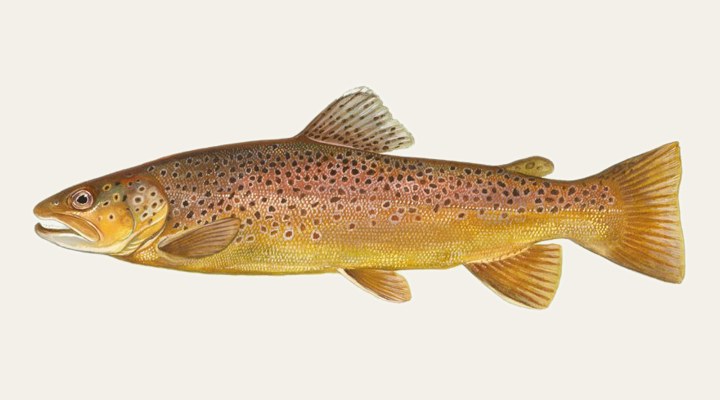
The wild trout of the highland rivers and Tasmania's lakes. Spawns in autumn, hence the closed rivers through winter in NSW and Victoria. The lake fishery: bait or slow lures in the deeper bays; the rivers are closed in NSW and Victoria.
Activity by species and month for the southern year, and how the water warms and cools. Tap any cell.
1 = slow, 5 = peak. Current month highlighted. January is midsummer here.
Typical surface temperature for this water type in degrees Celsius; today is around 8 °C (estimated, not a reading).
Real reports from real anglers, reviewed before publishing. Nothing here is copied from a shop or a charter. The water log below tracks each day automatically.
3/5 Fair. Fish the windows. A steady pattern: dawn and dusk carry the day. Rainbow trout led the card at slow. High of 17 °C, wind to 24 km/h.
4/5 Good. Solid day ahead. Stable-to-falling pressure and workable wind line things up. Rainbow trout led the card at fair. High of 13 °C, wind to 11 km/h.
4/5 Good. Solid day ahead. Stable-to-falling pressure and workable wind line things up. Rainbow trout led the card at fair. High of 10 °C, wind to 18 km/h.
Tasmanian Inland Angling Licence, from A$29.00, the same for residents and visitors. Details and where to buy →
Size and bag limits, closed seasons and marine park zones are set by IFS Tasmania and change: confirm the current rules on the agency page linked from the Tasmania licence page before you keep anything.
The Tasmanian inland angling licence applies from age 14, one rod or two; our Tasmania licence page has the fees.
Lake St Clair is a lake in Tasmania, Australia, covered from the Tasmania reports and listed in all Australia waters.
Lake St Clair is the deepest lake in Australia, a glacial lake at the southern end of the Cradle Mountain-Lake St Clair National Park where the Overland Track ends, held by a small Hydro Tasmania weir that raises it a little for the Derwent scheme, with the visitor centre, camping, a ramp and the ferry at Cynthia Bay and Pump House Point on its eastern shore. It is cold, clear, wild trout water inside a World Heritage park, and the Bureau of Meteorology’s gauge at Pump House Point supplies the level and the 30-day chart on this page. It is not the Lake St Clair of New South Wales, which has its own page.
Brown trout are wild and fish the rocky shores, the drop-offs and the creek mouths on lures and flies, with the fish lean in the cold, clear water; rainbow trout are wild and fish the same water; and the lake follows the brown trout season the Inland Fisheries Service publishes, first Saturday of August to the Sunday nearest 30 April, computed on the species card. Bait is restricted in the park’s waters under the code, which is linked here.
Cynthia Bay has the ramp, the camping and the visitor centre, and the fishing is a boat fishery along the steep, rocky shores and up to the Narcissus inflow at the northern end, trolling and casting; the shore at Cynthia Bay and along the lakeside track fishes at dawn and dusk. The ferry to Narcissus carries walkers, not boats.
Deep and glacial, the lake keeps the water temperature estimate, labelled as one, in the cold band all season; the chart moves little. The mountains funnel the wind down the lake and a northerly runs its length; the rain row matters in a wet mountain catchment; pressure and sky fill the score.
The Tasmanian inland angling licence applies from age 14, one rod or two; our Tasmania licence page has the fees. The park pass is required at Cynthia Bay under Parks’ rules; the Inland Fishing Code, with the season and the park’s bait rules, is in the sources.
No. This is the glacial lake in Tasmania’s Cradle Mountain-Lake St Clair National Park; the New South Wales storage of the same name, Glennies Creek Dam, has its own page.
Through the Tasmanian brown trout season, first Saturday of August to the Sunday nearest 30 April, computed on the species card with the rule linked.
Check the daily report at the top of this page: it is regenerated every morning from live data. Today's read: Fair. Fish the windows. A steady pattern: dawn and dusk carry the day.
 Pablo Ruiz Quintero
Readings refresh on a 30-minute window. The full method, with every figure and its source, is on How our reports are made. Something wrong here? Tell us and it goes in the log with the date.