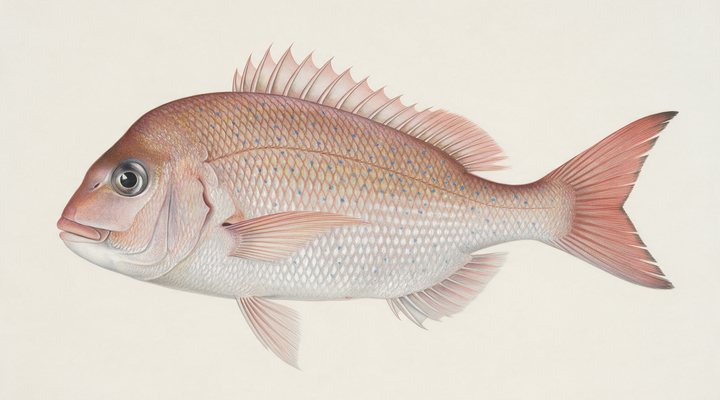
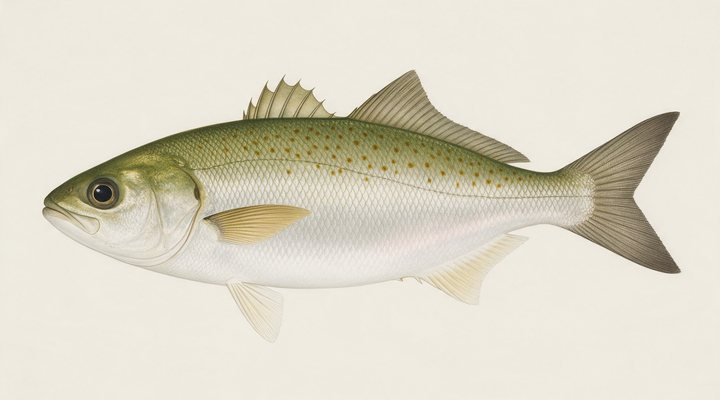
Snapper
Excellent
Fish are thinner inshore. Work the deeper structure and the channel edges with baits on the bottom, and pick the tide change.
Updated Mon, 9 Nov 2026 from live weather and tide data
Macquarie Harbour from the west coast port: sea-run trout, escaped Atlantic salmon and Australian salmon in marine water, the Gordon River and Hells Gates, and Ocean Beach.
Sources: modelled tide curve, Open-Meteo, solunar calculated for these coordinates.
Strahan has cool water and fish holding a little deeper and slower. Today brings a mixed sky, wind E around 6 km/h, steady pressure near 1019 hPa and a high of 17 °C. Tides: high 1:15 am and 11:10 am, low 7:45 am and 5:42 pm: the moving water either side of each change is when this place feeds. Water sits around 17 °C for the season (estimated). With the new moon, the solunar majors run 11:25 PM-1:25 AM and 11:54 AM-1:54 PM: the windows to build the day around.
Fish are thinner inshore. Work the deeper structure and the channel edges with baits on the bottom, and pick the tide change.
Spring and autumn are the seasons: the weed beds on the rising tide, slow sinking jigs.
Fish the deeper channels and the last of the run-out; slower hops with a heavier jighead, and a bait on the bottom as back-up.
The main season. Beach gutters, rock platforms and bay edges on the rising tide; metals, surf poppers and bait all work.
Tie on: Blade or vibe, slow hops · Lightly weighted plastic · Whole pilchard or squid on the bottom · Suspending hardbody. Prime windows: 11:25 PM-1:25 AM, 11:54 AM-1:54 PM, 4:53 AM-5:53 AM. Similar at 18 °C with likely rain: fish ahead of the front. The solunar majors shift about 50 minutes later.
Tasmania requires a fishing licence for most fishing, from A$29.00. Tasmania fishing licence: cost, rules and where to buy →
Chasing snapper here? Check the size and bag limits with IFS Tasmania before you keep anything; the Snapper page has the seasons and the tactics.
Hour-by-hour bite forecast for today from sunrise (05:54), sunset (20:11), the moon and today's score, with the modelled tide changes in the panel below. Tap a bar to see why.
Solunar majors 11:25 PM-1:25 AM and 11:54 AM-1:54 PM; minor 4:53 AM-5:53 AM. New Moon, 0% lit.
A modelled tide curve for these coordinates and the forecast for the day.
Modelled sea level curve from Open-Meteo Marine for these coordinates, datum mean sea level. Fish the moving water either side of each change.
A model, not the official prediction: times can drift by tens of minutes inside bays and estuaries. Check the Bureau of Meteorology tide predictions for the exact times before you rely on them.
Latest readings
Why the tide matters here: tides and fishing in Australia.
The best day on Strahan this week looks like Wednesday 11 Nov, at 4 out of 5, against 3 today.
Best day this week: Wednesday, 11 Nov — good at 4/5, falling pressure, usually the best window of a week.
A steady pattern: dawn and dusk carry the day.
Forecast-based scores, less reliable further out.
The species that matter on Strahan: seasons written for the southern year, and how to fish each one. Today's ratings live in the report above.
The southern headline fish. Runs into Port Phillip, Western Port, the gulfs and the WA sounds in spring to spawn; holds on reef and rubble the rest of the year. Fish are thinner inshore. Work the deeper structure and the channel edges with baits on the bottom, and pick the tide change.
The table fish of the south. Feeds over sand patches between weed and reef in 2 to 10 metres, mostly by day, mostly on the moving tide. Deeper sand patches and the middle of the day; slower bites, bigger fish.
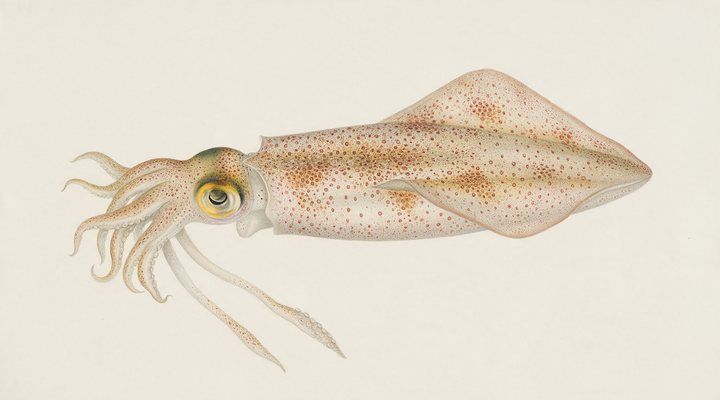
Southern calamari over weed and sand in 2 to 10 metres of the bays and gulfs; a jig fishery at dawn, dusk and under the jetty lights. Spring and autumn are the seasons: the weed beds on the rising tide, slow sinking jigs.
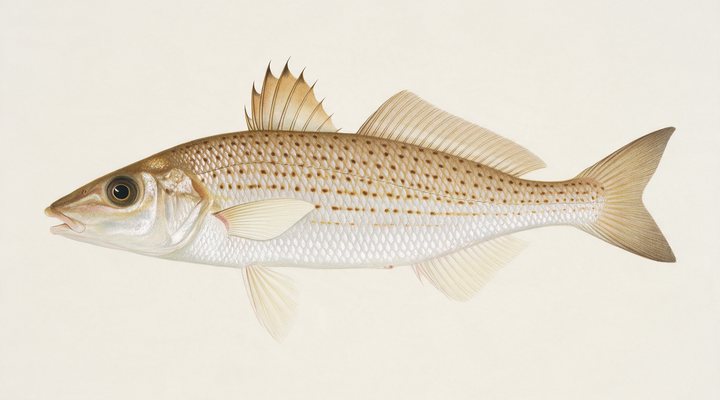
Not a salmon at all: a hard-fighting schooling fish of the surf and the bays, from WA around to NSW. Great on light gear, poor on the plate. The main season. Beach gutters, rock platforms and bay edges on the rising tide; metals, surf poppers and bait all work.
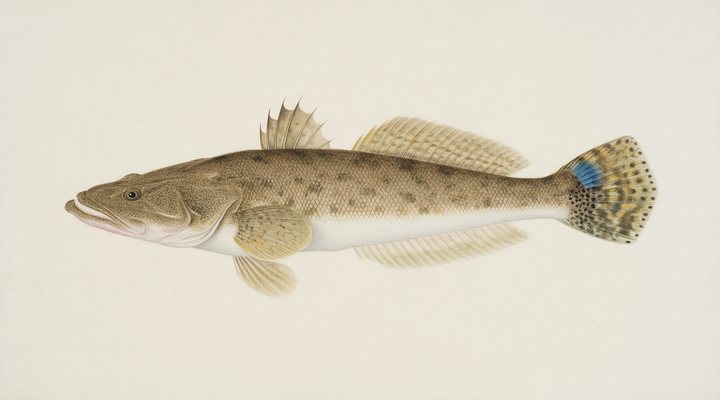
Dusky flathead in the eastern estuaries, sand flathead in the southern bays. An ambush predator lying on sand and mud edges waiting for whatever the tide brings. Fish the deeper channels and the last of the run-out; slower hops with a heavier jighead, and a bait on the bottom as back-up.
Activity by species and month for the southern year, and how the water warms and cools. Tap any cell.
1 = slow, 5 = peak. Current month highlighted. January is midsummer here.
Typical surface temperature for this water type in degrees Celsius; today is around 17 °C (estimated, not a reading).
Real reports from real anglers, reviewed before publishing. Nothing here is copied from a shop or a charter. The water log below tracks each day automatically.
3/5 Fair. Fish the windows. A steady pattern: dawn and dusk carry the day. Snapper led the card at excellent. High of 13 °C, wind to 16 km/h.
3/5 Fair. Fish the windows. A steady pattern: dawn and dusk carry the day. Snapper led the card at excellent. High of 11 °C, wind to 23 km/h.
3/5 Fair. Fish the windows. A steady pattern: dawn and dusk carry the day. Snapper led the card at excellent. High of 12 °C, wind to 27 km/h.
Tasmanian Inland Angling Licence, from A$29.00, the same for residents and visitors. Details and where to buy →
Size and bag limits, closed seasons and marine park zones are set by IFS Tasmania and change: confirm the current rules on the agency page linked from the Tasmania licence page before you keep anything.
Rod and line fishing in the marine waters of Macquarie Harbour needs no licence, as NRE Tasmania’s harbour guide states, while an Inland Fisheries licence is needed for freshwater fishing, which includes some river mouths and estuaries above their seaward limits.
Strahan is a coastal town in Tasmania, Australia, covered from the Tasmania reports and listed in all Australia waters.
Strahan is the port on Macquarie Harbour on Tasmania’s west coast, with the Gordon River flowing into the harbour’s southern end, the King River near the town, the narrow entrance at Hells Gates to the Southern Ocean, Ocean Beach outside and the salmon farms in the harbour. NRE Tasmania credits the harbour’s layers of salt and fresh water for its mix of sea-run trout, escaped Atlantic salmon and Australian salmon. The report on this page is scored for the port’s coordinates; Lake Burbury, above the King, has its own page.
Sea-run trout and escaped Atlantic salmon are the harbour’s signature fish, the salmon found close to the farms and taken on bait, lures or fly; Australian salmon are often caught around the river mouths, and NRE names Macquarie Heads and Ocean Beach as the hotspots; flathead fish the sand; and from a boat the harbour also gives barracouta, pink ling, morwong, mullet, bastard trumpeter and silver trevally. No skate or ray may be taken anywhere inside the harbour, which is the only home of the endangered Maugean skate.
The Strahan foreshore and wharf area are the walk-on marks for flathead, trout and escaped salmon, best at dawn and on calm evenings, and Macquarie Heads at the harbour mouth and Ocean Beach west of the town are the Australian salmon spots. MAST lists three ramps: Meredith Street and the Esplanade in the town, and one at Macquarie Heads near the camping ground. The Gordon River carries a 5-knot limit, with the cruise boats turning at Heritage Landing, so a small boat heading up it needs a fuel plan.
The harbour is sheltered inside the hills while the coast outside is fully exposed, and MAST warns that Hells Gates can be extremely rough in westerly weather and that a steep chop builds at the mouth of the Gordon in strong north-westerlies; an easterly gradient is its safe window for the entrance. The modelled tide curve, labelled as a model, gives the direction of flow at the entrance; the rain row matters because the west coast is wet and the rivers colour the harbour. Pressure and sky build the score at Strahan.
Rod and line fishing in the marine waters of Macquarie Harbour needs no licence, as NRE Tasmania’s harbour guide states, while an Inland Fisheries licence is needed for freshwater fishing, which includes some river mouths and estuaries above their seaward limits. Recreational gillnetting is no longer permitted in the harbour. Our Tasmania licence page has the inland fees; the NRE harbour guide and the MAST cruising notes are in the sources.
Yes. NRE Tasmania lists escaped Atlantic salmon among the harbour’s fish, found close to the salmon farms and taken on bait, lures or fly; rod and line fishing in the harbour’s marine waters needs no licence.
Not for rod and line fishing in Macquarie Harbour or off Ocean Beach; the inland angling licence is needed in fresh water, including some river mouths and estuaries above the seaward limits.
Check the daily report at the top of this page: it is regenerated every morning from live data. Today's read: Fair. Fish the windows. A steady pattern: dawn and dusk carry the day.
 Pablo Ruiz Quintero
Readings refresh on a 30-minute window. The full method, with every figure and its source, is on How our reports are made. Something wrong here? Tell us and it goes in the log with the date.