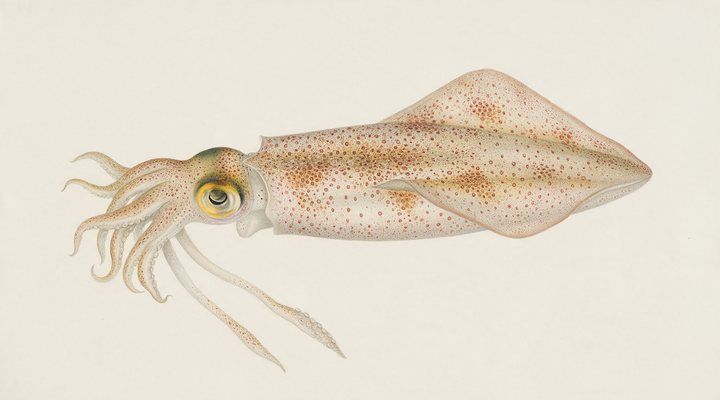
Southern calamari
Excellent
Prime. Drift the weed edges casting jigs, or a baited jig under a float from the piers.
Updated Mon, 9 Nov 2026 from live weather and tide data
Geographe Bay’s western corner: the Dunsborough beaches, the Quindalup ramp and Cape Naturaliste, with whiting, herring, squid, salmon and the reef beyond the cape.
Sources: modelled tide curve, Open-Meteo, solunar calculated for these coordinates.
Dunsborough is fishing in its best temperature window, with the bite spread across the day. Today brings cloud cover, wind S around 26 km/h, steady pressure near 1022 hPa and a high of 19 °C. Tides: high 7:50 pm, low 5:30 am: the moving water either side of each change is when this place feeds. Water sits around 19 °C for the season (estimated). With the new moon, the solunar majors run 11:22 PM-1:22 AM and 10:58 AM-12:58 PM: the windows to build the day around.
Prime. Drift the weed edges casting jigs, or a baited jig under a float from the piers.
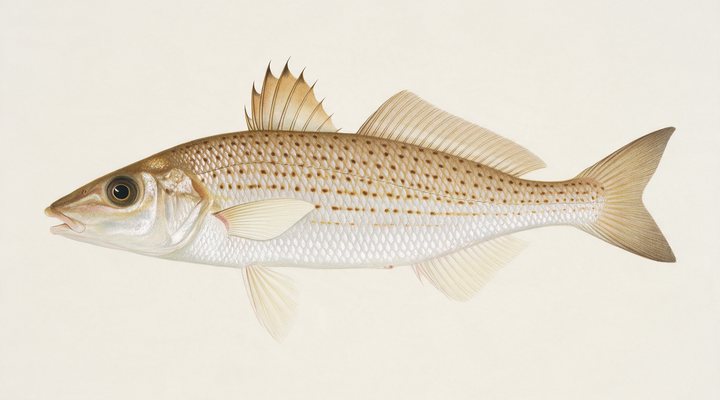
Peak season. Berley lightly, fish the sand holes on the making tide, and stay mobile: whiting are where the bait is, not where they were last week.
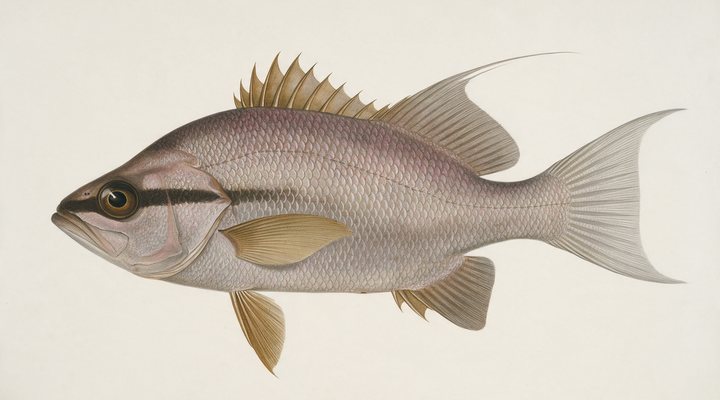
Boat-based fishing for demersal scalefish in the West Coast bioregion is closed until spring 2027; DPIRD has published no reopening date. Land-based line fishing is allowed, except spearfishing for dhufish.
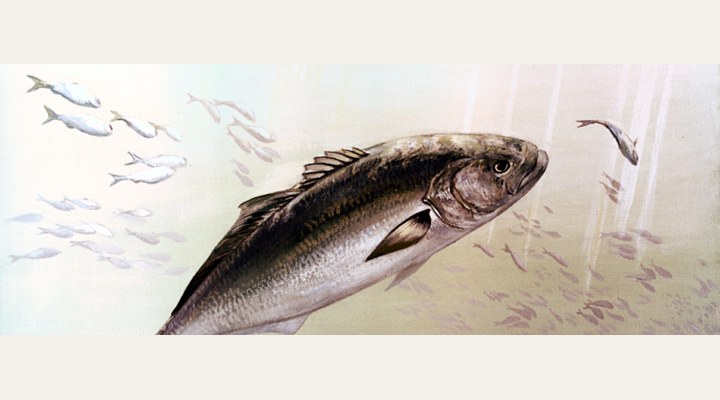
Rock ledges and beach gutters on the rising tide; metals cast and retrieved fast, or a whole pilchard drifted through the wash.
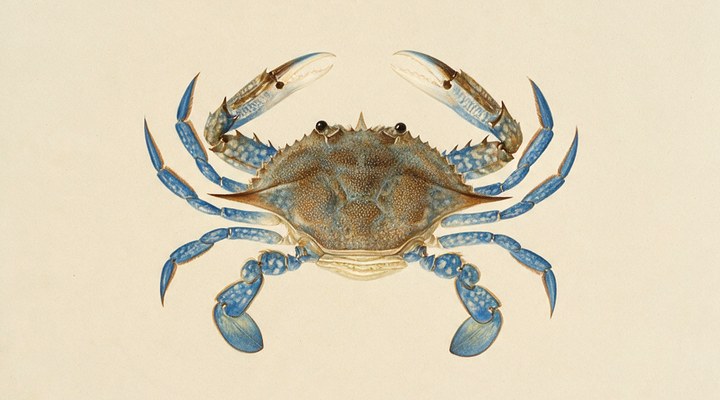
Work the drop nets along the channel edges on the moving tide: no more than 10 nets per person or per boat, each no wider than 1.5 metres. The legal methods are by hand, drop net, rigid scoop net, blunt wire hook or diving; crab rakes are banned.
Tie on: Soft plastic on a 1/4 oz jighead · Small hardbody, shallow diver · Squid jig, size 3.0 · Fresh pipi or worm on a small hook. Prime windows: 11:22 PM-1:22 AM, 10:58 AM-12:58 PM, 4:18 AM-5:18 AM. Warmer at 22 °C. The solunar majors shift about 50 minutes later.
Western Australia requires a fishing licence for most fishing, from A$40.00. Western Australia fishing licence: cost, rules and where to buy →
Chasing west australian dhufish here? Check the size and bag limits with DPIRD WA before you keep anything; the West Australian dhufish page has the seasons and the tactics.
Hour-by-hour bite forecast for today from sunrise (05:12), sunset (18:54), the moon and today's score, with the modelled tide changes in the panel below. Tap a bar to see why.
Solunar majors 11:22 PM-1:22 AM and 10:58 AM-12:58 PM; minor 4:18 AM-5:18 AM. New Moon, 0% lit.
A modelled tide curve for these coordinates and the forecast for the day.
Modelled sea level curve from Open-Meteo Marine for these coordinates, datum mean sea level. Fish the moving water either side of each change.
A model, not the official prediction: times can drift by tens of minutes inside bays and estuaries. Check the Bureau of Meteorology tide predictions for the exact times before you rely on them.
Latest readings
Why the tide matters here: tides and fishing in Australia.
The best day on Dunsborough this week looks like Tuesday 10 Nov, at 4 out of 5, against 3 today.
Best day this week: Tuesday, 10 Nov — good at 4/5, rising pressure behind a front, typically the slowest.
A steady pattern: dawn and dusk carry the day.
Forecast-based scores, less reliable further out.
The species that matter on Dunsborough: seasons written for the southern year, and how to fish each one. Today's ratings live in the report above.
Closed Boat-based fishing for demersal scalefish in the West Coast bioregion is closed until spring 2027; DPIRD has published no reopening date. Land-based line fishing is allowed, except spearfishing for dhufish. Rule as read from DPIRD WA on 2026-09-23.
WA's prize demersal. Lives on limestone reef and lumps in 20 to 100 metres from Kalbarri to Augusta; slow-growing and tightly managed.
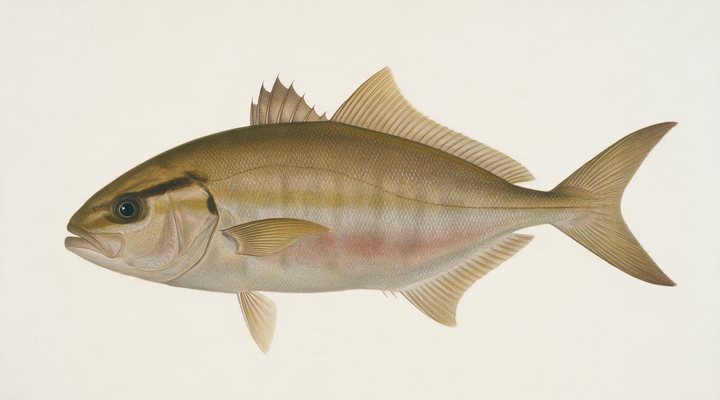
The big amberjack of the west: bruising fights on jigs over the deep reef and around the offshore aggregations in summer. Prime. Knife jigs and big plastics worked over the reef edges and the bait schools.
The table fish of the south. Feeds over sand patches between weed and reef in 2 to 10 metres, mostly by day, mostly on the moving tide. Peak season. Berley lightly, fish the sand holes on the making tide, and stay mobile: whiting are where the bait is, not where they were last week.
Southern calamari over weed and sand in 2 to 10 metres of the bays and gulfs; a jig fishery at dawn, dusk and under the jetty lights. Prime. Drift the weed edges casting jigs, or a baited jig under a float from the piers.
The surf and rock fish of the east coast, running north in autumn and winter. Fast, toothy and best at dawn, dusk and into the dark. Rock ledges and beach gutters on the rising tide; metals cast and retrieved fast, or a whole pilchard drifted through the wash.
Open all year Geographe Bay is south of the Swan River–Minninup closure and has no crab closed season; the daily bag is 10 crabs, of which no more than 5 may be female. Rule as read from DPIRD Western Australia on 2026-09-29.
Blue manna crab to West Australians: it lives in sheltered estuaries and inshore bays, hides under the sand by day and moves about at night. DPIRD sets a 127 mm minimum across the carapace spikes, and undersize crabs and egg-carrying (berried) females must go straight back. Work the drop nets along the channel edges on the moving tide: no more than 10 nets per person or per boat, each no wider than 1.5 metres. The legal methods are by hand, drop net, rigid scoop net, blunt wire hook or diving; crab rakes are banned.
Activity by species and month for the southern year, and how the water warms and cools. Tap any cell.
1 = slow, 5 = peak. Current month highlighted. January is midsummer here.
Typical surface temperature for this water type in degrees Celsius; today is around 19 °C (estimated, not a reading).
Real reports from real anglers, reviewed before publishing. Nothing here is copied from a shop or a charter. The water log below tracks each day automatically.
3/5 Fair. Fish the windows. A steady pattern: dawn and dusk carry the day. Southern calamari led the card at excellent. High of 20 °C, wind to 26 km/h.
4/5 Good. Solid day ahead. Stable-to-falling pressure and workable wind line things up. Samson fish led the card at excellent. High of 21 °C, wind to 23 km/h.
3/5 Fair. Fish the windows. A steady pattern: dawn and dusk carry the day. Southern calamari led the card at excellent. High of 23 °C, wind to 26 km/h.
Western Australian recreational fishing licences, from A$40.00, the same for residents and visitors. Details and where to buy →
Size and bag limits, closed seasons and marine park zones are set by DPIRD WA and change: confirm the current rules on the agency page linked from the Western Australia licence page before you keep anything.
Line fishing from the shore at Dunsborough is not among Western Australia’s licensed activities; fishing from a powered boat needs the Recreational Fishing from Boat Licence; our Western Australia page has the fees.
Dunsborough is a coastal town in Western Australia, Australia, covered from the Western Australia reports and listed in all Australia waters.
Dunsborough is the town in the western corner of Geographe Bay south-west of Busselton, with the sheltered beaches and the weed of the bay, the Quindalup ramp, Meelup and Eagle Bay toward the cape, Cape Naturaliste and its lighthouse at the corner and the Indian Ocean coast of Sugarloaf and Yallingup beyond it. It is a bay town with an ocean cape behind it, and the report on this page is scored for the town’s coordinates. Busselton, along the bay, has its own page.
Whiting fish the bay sand and the weed edges all year and are the town’s fish; herring and garfish fish the beaches and the weed; squid work the weed and are the bay’s everyday catch; Australian salmon run the cape and the ocean beaches in autumn, and the bay’s beaches with them; tailor run the beaches in the cooler months; dhufish, pink snapper and baldchin groper live on the reef off the cape, but boat fishing for them is closed in the West Coast bioregion until spring 2027; and the cape’s platforms give salmon, skippy and sweep. Squid and whiting keep the boats busy while the demersal closure lasts.
The Dunsborough town beach and the weed beds either side of the Quindalup ramp are the whiting, herring and squid water for wading and small boats on the calm mornings, and Meelup and Eagle Bay toward the cape are the whiting and salmon sand; the Cape Naturaliste platforms at Bunker Bay and Sugarloaf Rock are the exposed rocks for salmon and skippy. The ramp is at Quindalup.
The bay faces north and is sheltered from the south-westerly that closes the ocean coast, so the wind row decides which; a northerly chops the bay. The summer sea breeze comes in most afternoons. The tide panel is a modelled curve for the coordinates of Dunsborough, labelled as a model, small on this coast. Pressure and sky build the score at Dunsborough; the planner shows the day.
Line fishing from the shore at Dunsborough is not among Western Australia’s licensed activities; fishing from a powered boat needs the Recreational Fishing from Boat Licence; our Western Australia page has the fees. The beaches, the cape tracks and the ramp at Quindalup are public; the Ngari Capes Marine Park zoning, the DPIRD limits and the West Coast demersal closure are in the sources.
Whiting on the bay sand, herring and squid over the weed, salmon off the cape in autumn, tailor on the beaches in the cooler months, and no boat fishing for dhufish or snapper until spring 2027.
Not for the beaches and the cape; boats with a motor need the Recreational Fishing from Boat Licence.
Check the daily report at the top of this page: it is regenerated every morning from live data. Today's read: Fair. Fish the windows. A steady pattern: dawn and dusk carry the day.
 Pablo Ruiz Quintero
Readings refresh on a 30-minute window. The full method, with every figure and its source, is on How our reports are made. Something wrong here? Tell us and it goes in the log with the date.