Keystone Lake Fishing Report

Updated Fri, Oct 23, 2026 from live gauge and weather data

Keystone Lake: a Corps reservoir on the Arkansas River 15 miles west of Tulsa, noted by the Corps for striped bass, sand bass, black bass, crappie and catfish.

4/5
Good. Solid day ahead.Stable-to-falling pressure and workable wind line things up.
Water temp
~74 F est.
Air / High
79 / 80 F
Wind
S 10 mph

Sources: Open-Meteo, solunar calculated for these coordinates.

Satellite view
Friday
23
October 2026

Today's Fishing Report

Generated this morning from live readings: gauge, weather model, sun and moon. A fresh report is published here every morning.

4/5Good. Solid day ahead.Stable-to-falling pressure and workable wind line things up.

Keystone Lake offers the kind of conditions this water was made for. Today brings a mixed sky, wind S around 10 mph, steady pressure near 1018 hPa and a high of 80. Water sits around 74 F for the season (estimated). With the waxing gibbous, the solunar majors run 10:02 AM-12:02 PM and 10:30 PM-12:30 AM: the windows to build the day around.

The plan, species by species
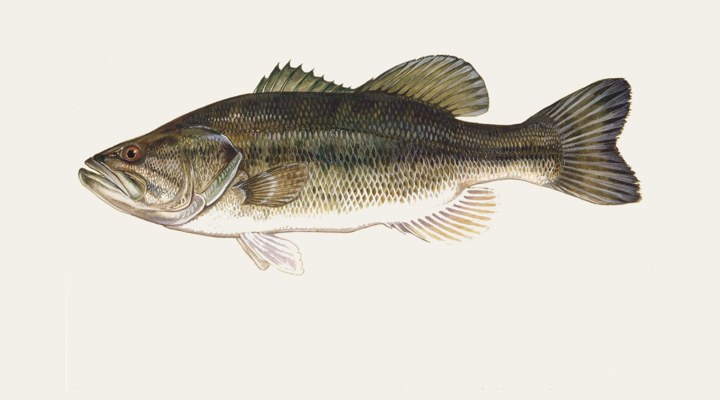
Largemouth bassExcellent

The main feeding season after the spawn: work moving baits along weed edges, points and wood, and follow up with a soft plastic where a fish swirls.
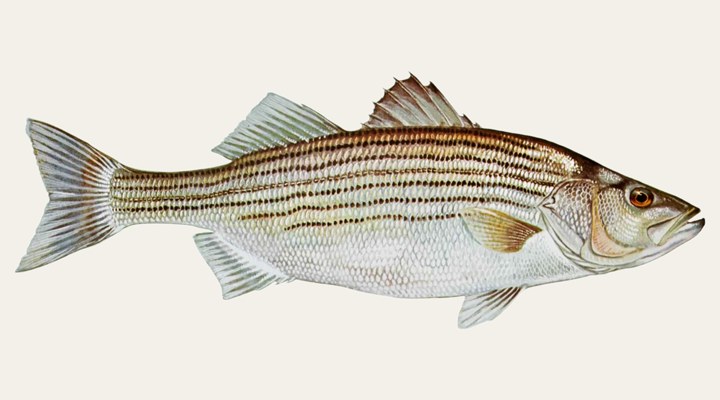
Striped bassExcellent

Use electronics to find shad schools in open water, and watch for birds working over bait.
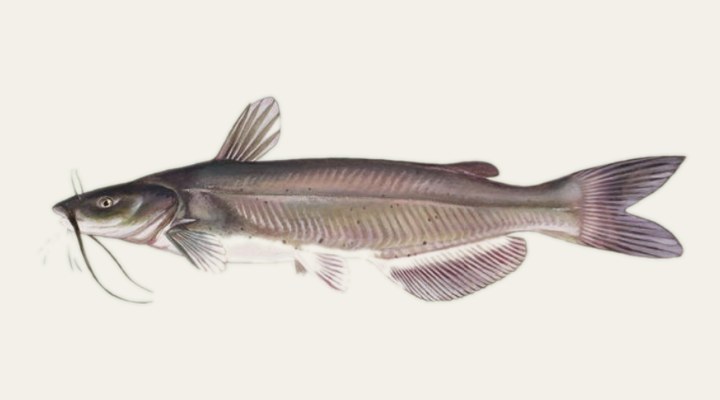
Catfish (blue, channel)Excellent

Spawning season from late May into summer: Iowa DNR suggests drifting bait under a float along riprap and snags where males guard nests in cavities.
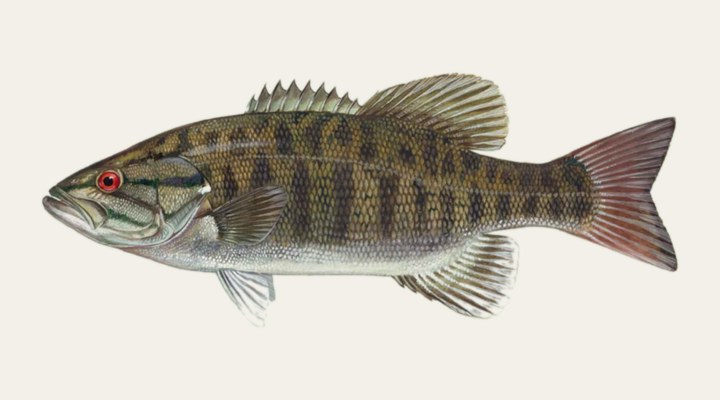
Smallmouth bassExcellent

Post-spawn and summer feeding: cover rock, wood and current breaks with crankbaits, jigs and tubes, and use live crayfish, minnows or hellgrammites where bait is the plan.
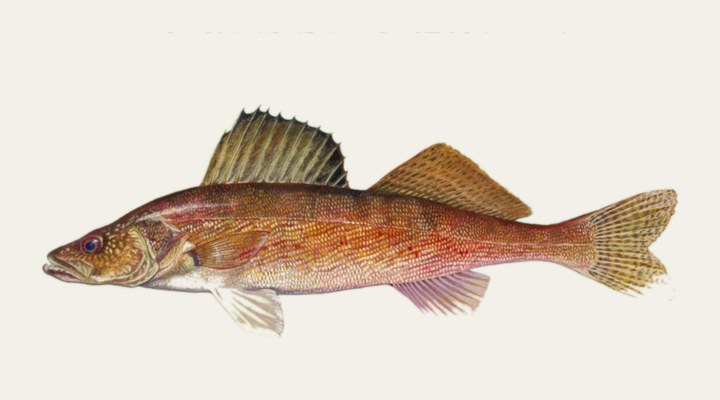
WalleyeExcellent

Summer pattern: nightcrawlers and leeches on rigs or jigs near bottom, trolled crankbaits to find scattered fish, and the shallows after dark in clear lakes.
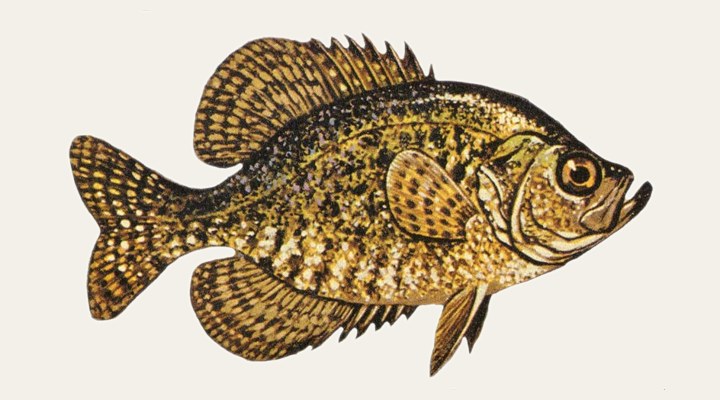
CrappieGood

Early in this band crappie are spawning in protected coves; afterward they move to docks, brush piles and standing timber near deeper water.
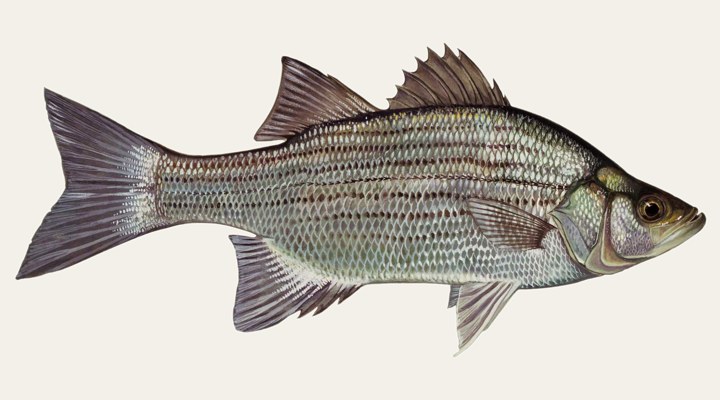
White bassGood

Summer and early fall schooling season over open water; follow the shad, and try live bait on the bottom at night.

Tomorrow: Similar at 81 F. The solunar majors shift about 50 minutes later.Next report: Sat, Oct 24, 6:30 AMHow this report is made β†’

Before you go

Oklahoma requires a fishing licence from age 18, from $31.00 for residents. What a Oklahoma licence costs and where to buy it β†’

Chasing largemouth bass here? Check the size and bag limits with ODWC before you keep anything. The season dates for Oklahoma, read off the agency, are on the Oklahoma seasons page.

Water and weather

Live readings.

No live gauge on this water

Conditions here are modeled from weather, season and the nearest stations. Water readings appear when a USGS gauge is available.

5060708090JanMarMayJulSepNovOct, ~74 F now

Right now

Latest readings

Air temp79 F
High / Low80 / 53 F
WindS 10-14 mph
Pressure1018.4 hPa, steady
Sky / Rain48% cloud, 0%
Sunrise / Sunset07:39 / 18:38
MoonWaxing Gibbous, 91%
Water temp (seasonal)~74 F est.

Bite planner

Hour-by-hour bite forecast for today. Tap a bar to see why.

5 AM8 AM11 AM2 PM5 PM8 PMsunrisesunsetPRIMEPRIME

Which day to fish Keystone Lake this week

The best day on Keystone Lake this week looks like Sunday Oct 25, at 5 out of 5, against 4 today.

Best day this week: Sunday, Oct 25 β€” excellent at 5/5, falling pressure, usually the best window of a week.

Today, Oct 23 β€” Good

Stable-to-falling pressure and workable wind line things up.

Solunar majors
10:02 AM-12:02 PM and 10:30 PM-12:30 AM
Minor period
4:24 AM-5:24 AM
Sun
07:39 to 18:38
Moon
Waxing Gibbous, 91% lit
Sky and wind
Overcast, 10 mph
Rain chance
0%

Forecast-based scores, less reliable further out: how the score is built.

Species guide

The species that matter on Keystone Lake: seasons, structure and how to fish each one. Today's ratings live in the report above.

Largemouth bass illustration

Largemouth bass

Best: the spring pre-spawn and the fall feed

A warm-water sunfish of lakes, reservoirs, ponds and slow river backwaters that holds tight to cover: weeds, logs, rock ledges and docks. In Texas, TPWD surveys rank it "by far" the freshwater fish anglers most want to catch. The main feeding season after the spawn: work moving baits along weed edges, points and wood, and follow up with a soft plastic where a fish swirls.

Striped bass illustration

Striped bass

Best: spring and fall inland; on the coast, during the seasonal migrations

The largest of the temperate basses, a sea-run fish of the Atlantic and Gulf coasts that now also lives in reservoirs across much of the country after hatchery stocking. Inland, it follows schools of shad and herring through open water. Use electronics to find shad schools in open water, and watch for birds working over bait.

Catfish (blue, channel) illustration

Catfish (blue, channel)

Year-round, best at dusk and after dark

Three big catfish share most of the country's rivers and reservoirs: the channel catfish, the most widespread; the blue catfish, the largest; and the flathead, which hunts live fish. All feed mostly on or near the bottom. Spawning season from late May into summer: Iowa DNR suggests drifting bait under a float along riprap and snags where males guard nests in cavities.

Crappie illustration

Crappie

Best: the spring spawn; summer around docks, brush and the thermocline

Two slab-sided panfish, the white crappie and the black crappie, that gather around submerged timber, brush piles, docks and bridge pilings in lakes, reservoirs and slow river backwaters. Texas Parks and Wildlife counts crappie as the state's most popular panfish. Early in this band crappie are spawning in protected coves; afterward they move to docks, brush piles and standing timber near deeper water.

Smallmouth bass illustration

Smallmouth bass

Best: spring and fall, when bigger fish come shallow

A bronze-brown black bass of clear, cool streams and rocky lakes, with dark vertical bars instead of a side stripe. Michigan DNR says its southeastern coast, from Port Huron to Lake Erie, is known nationally for both the size and the number of its smallmouth. Post-spawn and summer feeding: cover rock, wood and current breaks with crankbaits, jigs and tubes, and use live crayfish, minnows or hellgrammites where bait is the plan.

White bass illustration

White bass

Best: the spring run up the tributaries, then summer surface schools

A silvery temperate bass of rivers and large reservoirs, also called sand bass, that schools in open water after shad and runs up tributaries to spawn in early spring. Summer and early fall schooling season over open water; follow the shad, and try live bait on the bottom at night.

Walleye illustration

Walleye

Best: spring and late fall, around dawn, dusk and night

A cool-water perch of large lakes, reservoirs and rivers whose reflective eyes are built for low light, so it feeds most at night and in murky water. The Missouri Department of Conservation ranks it among the continent's most important freshwater game fish. Summer pattern: nightcrawlers and leeches on rigs or jigs near bottom, trolled crankbaits to find scattered fish, and the shallows after dark in clear lakes.

When to come: the Keystone Lake calendar

Activity by species and month, and how the water warms through the year. Tap any cell.

Species activity by month

1 = slow, 5 = peak. Current month highlighted.

J
F
M
A
M
J
J
A
S
O
N
D
Largemouth bass
Striped bass
Catfish (blue, channel)
Crappie
Smallmouth bass
White bass
Walleye
SlowPeak

Water temperature through the year

Typical surface temperature for this water type; today is around 74 F (estimated, not a reading).

5060708090JanMarMayJulSepNovOct, ~74 F now

Angler reports

Real reports from real anglers, reviewed before publishing. The water log below tracks each day automatically.

No angler reports yet this weekBe the first: your report helps every angler who checks Keystone Lake today, and we feature the best catch of the week.

Water log, last days

Auto-logged from live data
Thu, Oct 22

3/5 Fair. Fish the windows. A steady pattern: dawn and dusk carry the day. Striped bass led the card at excellent. High of 80 F, wind to 6 mph.

Wed, Oct 21

4/5 Good. Solid day ahead. Stable-to-falling pressure and workable wind line things up. Largemouth bass led the card at excellent. High of 76 F, wind to 6 mph.

Tue, Oct 20

4/5 Good. Solid day ahead. Stable-to-falling pressure and workable wind line things up. Largemouth bass led the card at excellent. High of 74 F, wind to 8 mph.

Where roughly, what depth, what bait. Skip anything you want to keep secret.
Only used if we need to ask you about your report. No mailing list, no spam.

Before you go

License

Oklahoma requires a valid fishing license for adults. Buy online from the state agency; one-day options exist for visitors.

Regulations

Oklahoma fishing license. ODWC statewide limits: striped bass 5 a day, no size limit; striped bass hybrids 20, only 5 over 20 inches; no culling of stripers or hybrids; white bass no limit; channel and blue catfish 15 combined, only 1 blue over 30 inches; flathead 5; crappie 37. Walleye, sauger and saugeye 6 combined, 16-inch minimum on the Arkansas River from Keystone Dam downstream. Tailwater rules apply in the first 1,000 feet below the dam.

Access

16 Corps recreation areas with 11 boat ramps and 3 marinas; Keystone State Park (cabins); Whitewater and Brush Creek parks below the dam; accessible berms on the tailwater and spillway.

About this water

A Corps of Engineers reservoir on the Arkansas River west of Tulsa, in Osage, Creek and Tulsa counties per ODWC; 26,000 acres per the Corps, 23,610 per ODWC.

Fishing Keystone Lake: the full guide

A Corps lake west of Tulsa

The Corps of Engineers describes Keystone as a 26,000-acre lake on the Arkansas River 15 miles west of downtown Tulsa, with 16 recreation areas, 11 boat ramps, three marinas and land open to public hunting. ODWC's lake page gives 23,610 surface acres, 296.5 miles of shoreline and a maximum depth of 73 feet, 8 miles west of Sand Springs on US 412 and SH 51.

Species and the October report

The Corps says Keystone is noted for striped bass, sand bass, black bass, lake-strain smallmouth, crappie and catfish; ODWC's species of interest are largemouth bass, white crappie, white bass, striped bass and channel, blue and flathead catfish. On October 5, 2026, ODWC's report from the Creek County game warden rated blue catfish and largemouth bass good and crappie fair, with the lake 2 feet below normal.

Below the dam

Whitewater and Brush Creek parks give access to the fishery below the dam, and Tulsa County's Swift Park offers boat access to the Arkansas River when water levels allow, according to the Corps. ODWC notes a 1,000-foot wheelchair-accessible berm on the north side of the tailwater below the Corps office and a 500-foot berm on the south shoreline of the spillway.

Tailwater rules

In the first 1,000 feet below the dam, ODWC limits anglers to two rods and reels, forbids keeping fish hooked anywhere but the mouth, and requires each angler's fish to be kept separate and marked with a name and customer ID. Bowfishing is allowed in the Keystone tailwater.

Common questions

What are the striper limits at Keystone?

ODWC's statewide rules: five striped bass a day with no size limit, and 20 hybrids, only five over 20 inches. Stripers and hybrids put on a stringer or in a livewell cannot be released.

Can I fish below Keystone Dam?

Yes. The Corps lists Whitewater and Brush Creek parks for the downstream fishery, and ODWC's tailwater rules apply within 1,000 feet of the dam.

Is fishing good at Keystone Lake right now?

Check the daily report at the top of this page: it is regenerated every morning from live data. Today's read: Good. Solid day ahead. Stable-to-falling pressure and workable wind line things up.

Nearby waters

Where this page's numbers come from

Weather and pressure
Open-Meteo forecast model
Queried at 36.1564, -96.2664 in this water's own timezone. A model, not an observation.
Moon and solunar windows
Calculated on this site
Astronomical calculation from these coordinates and the date, not a third-party feed. How much weight it deserves.
Pages checked
The facts in the written guide were checked against these pages, from the agencies and operators that manage the water, on October 7, 2026. Anything we could not verify was taken out.
The written guide on this page
Pablo Ruiz Quintero
How this page was made. The daily report is computed by our scoring engine from live readings; nobody types it. The written text was drafted with AI assistance from the official pages listed above, and its facts were checked against those pages by automated verification on October 7, 2026; anything that could not be verified was taken out. Pablo Ruiz Quintero sets every guideline, the data-verification system and the minimum standards a page must meet to be published, reviews page structure and approves what goes live; the responsibility is his, and the AI carries out the work. We work this way because it is how one person can keep every page current with named sources. Errors are published in the verification log; the full policy is in the editorial policy.

Readings refresh on a 30-minute window. The full method, with every figure and its source, is on how our reports are made. Something wrong here? Tell us and it goes in the log with the date.