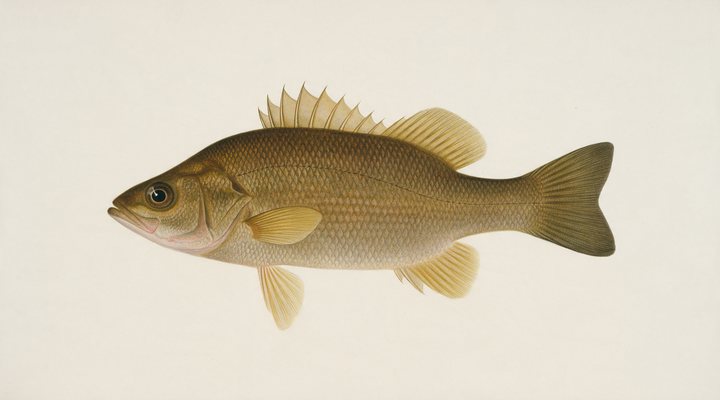
Australian bass
Fair
Dam fish school deep; vertical jig plastics and blades over them. Rivers slow, and closed in NSW from June.
Updated Fri, 25 Sept 2026 from live weather and tide data
The Hunter Valley’s big bass lake at Scone: Australian bass in the schools and the timber, golden perch and catfish, and a level read by the Bureau at the dam.
Sources: Bureau of Meteorology gauge 210097, Open-Meteo, solunar calculated for these coordinates.
Lake Glenbawn rewards patience today, with cool water and short feeding windows. The gauge reads 274.82 m, easing 0.05 over the week. Today brings clear skies, wind NE around 11 km/h, rising pressure near 1027 hPa and a high of 27 °C. Water sits around 16 °C for the season (estimated). With the full moon, the solunar majors run 10:25 AM-12:25 PM and 10:25 PM-12:25 AM: the windows to build the day around.
Dam fish school deep; vertical jig plastics and blades over them. Rivers slow, and closed in NSW from June.
Tie on: Blade or vibe, slow hops · Lightly weighted plastic · Whole pilchard or squid on the bottom · Suspending hardbody. Prime windows: 10:25 AM-12:25 PM, 10:25 PM-12:25 AM, 4:55 AM-5:55 AM. Similar at 28 °C. The solunar majors shift about 50 minutes later.
New South Wales requires a fishing licence for most fishing, from A$7.00. New South Wales fishing licence: cost, rules and where to buy →
Chasing australian bass here? Check the size and bag limits with DPIRD NSW before you keep anything; the Australian bass page has the seasons and the tactics.
Hour-by-hour bite forecast for today from sunrise (05:42), sunset (17:54), the moon and today's score. Tap a bar to see why.
Solunar majors 10:25 AM-12:25 PM and 10:25 PM-12:25 AM; minor 4:55 AM-5:55 AM. Full Moon, 99% lit.
Live readings from Bureau of Meteorology station 210097 (GLENBAWN DAM).
Bureau of Meteorology Water Data Online, station 210097. Latest reading 2026-09-24 09:00.
Latest readings
The best day on Lake Glenbawn this week looks like Saturday 26 Sept, at 4 out of 5, against 2 today. Every day is scored by the same engine as the report above: pressure trend first, then wind, sky and season. Pick a species and the plan for that day changes with it.
Best day this week: Saturday, 26 Sept — good at 4/5, falling pressure, usually the best window of a week.
Conditions favor short windows and patient fishing.
Scores are a planning aid built from forecast data, not a promise.
The species that matter on Lake Glenbawn: seasons written for the southern year, and how to fish each one. Today's ratings live in the report above.
The native sportfish of the east-coast rivers and the stocked dams. Surface lures in summer, deep in winter, and a river closed season for spawning. Dam fish school deep; vertical jig plastics and blades over them. Rivers slow, and closed in NSW from June.
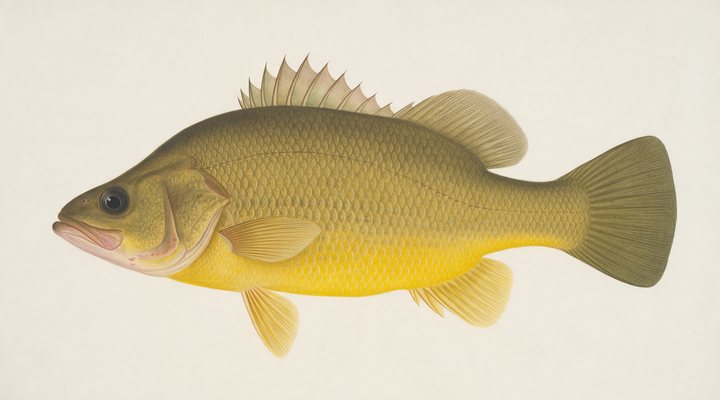
Yellowbelly. The bread-and-butter native of the Murray-Darling lakes and rivers; loves warm water, structure and a lure worked slowly past its nose. Slower. Work the deeper timber and the drop-offs with vibes and bait.
Activity by species and month for the southern year, and how the water warms and cools. Tap any cell.
1 = slow, 5 = peak. Current month highlighted. January is midsummer here.
Typical surface temperature for this water type in degrees Celsius; today is around 16 °C (estimated, not a reading).
Real reports from real anglers, reviewed before publishing. Nothing here is copied from a shop or a charter. The water log below tracks each day automatically.
3/5 Fair. Fish the windows. A steady pattern: dawn and dusk carry the day. Australian bass led the card at fair. High of 25 °C, wind to 10 km/h.
3/5 Fair. Fish the windows. A steady pattern: dawn and dusk carry the day. Australian bass led the card at fair. High of 24 °C, wind to 16 km/h.
4/5 Good. Solid day ahead. Stable-to-falling pressure and workable wind line things up. Australian bass led the card at good. High of 19 °C, wind to 23 km/h.
NSW Recreational Fishing Fee, from A$7.00, the same for residents and visitors. Details and where to buy →
Size and bag limits, closed seasons and marine park zones are set by DPIRD NSW and change: confirm the current rules on the agency page linked from the New South Wales licence page before you keep anything.
The NSW Recreational Fishing Fee, A$7 for three days at the least, applies; fees are on the New South Wales licence page.
Lake Glenbawn is a lake in New South Wales, Australia, covered from the New South Wales reports and listed in all Australia waters.
Lake Glenbawn is the Hunter River storage east of Scone, the largest lake in the Hunter Valley and the state’s best-known Australian bass impoundment, stocked with bass and golden perch for decades and ringed by a state park with camping, cabins and several ramps. It supplies the Hunter’s towns and irrigators and its level moves with the dry and the wet, which the Bureau of Meteorology’s gauge at the dam records; that reading, with its time, and a 30-day chart are on this page.
Australian bass are the fishery: schooled in the deep water off the points in the cool months, found on a sounder and worked with blades, ice jigs and plastics, and spread along the edges, the weed and the timber in the warm months, when surface lures at dawn and dusk take them; there is no closed season for bass in dams, unlike the rivers. Golden perch fish the timber and the points from spring to autumn, eel-tailed catfish the bottom in summer, and silver perch may be kept because Glenbawn is on the DPIRD exempt list. Carp are present.
The water temperature estimate, marked as an estimate, is the switch between the deep-schooled bass of winter and the edge bass of summer; the chart shows whether the lake is rising onto the weed or falling off it. Wind decides which arm to fish, and the main basin can be rough in a westerly. Pressure counts in summer, when a falling barometer before a storm brings the bass up.
The NSW Recreational Fishing Fee, A$7 for three days at the least, applies; fees are on the New South Wales licence page. Lake Glenbawn State Park has the ramps, the camping and the cabins; the DPIRD limits and the bass rules are on the pages in the sources.
The state park ramps launch onto the main basin, and the points either side of the dam wall, the timbered arms up the Hunter and the weed edges of the shallow bays are the three kinds of bass water the lake offers; the schools of winter sit off the points in fifteen to thirty metres and the sounder finds them, while the summer fish are along the edges within a cast of the bank. Bank anglers do best from the park foreshore at dusk in the warm months.
No. The New South Wales bass closure applies to rivers, not dams; the species card here shows the dam as open all year for bass, with the DPIRD rule linked.
They school in the deep water off the points; a sounder finds the school and a blade, an ice jig or a plastic worked through it gets the bite.
Check the daily report at the top of this page: it is regenerated every morning from live data. Today's read: Slow. Work for them. Conditions favor short windows and patient fishing.
 Pablo Ruiz Quintero
Readings refresh on a 30-minute window. The full method, with every figure and its source, is on How our reports are made. Something wrong here? Tell us and it goes in the log with the date.