Keuka Lake Fishing Report

Updated Fri, Oct 23, 2026 from live gauge and weather data

Keuka Lake: the Y-shaped Finger Lake between Penn Yan, Branchport and Hammondsport, with a lake trout population sustained by natural reproduction.

Seasonal closure: Tributaries, up to the first barrier fish cannot pass. Next closed from January 1, 2027 through March 31, 2027. New York prohibits angling in Finger Lakes tributaries from January 1 to March 31, except in the stream sections DEC lists; the lake itself stays open. Source, read October 12, 2026.

2/5
Slow. Work for them.Conditions favor short windows and patient fishing.
Flow
20 cfs
Air / High
57 / 57 F
Wind
NNE 6 mph

Sources: USGS gauge 04232482, Open-Meteo, solunar calculated for these coordinates.

Satellite view
Friday
23
October 2026

Today's Fishing Report

Generated this morning from live readings: gauge, weather model, sun and moon. A fresh report is published here every morning.

2/5Slow. Work for them.Conditions favor short windows and patient fishing.

Keuka Lake feels the season turning: shorter days, grouping fish. The release below the dam is running 20 cfs, falling. Today brings clear skies, wind NNE around 6 mph, rising pressure near 1028 hPa and a high of 57. Water sits around 55 F for the season (estimated). With the waxing gibbous, the solunar majors run 9:42 AM-11:42 AM and 10:12 PM-12:12 AM: the windows to build the day around.

The plan, species by species
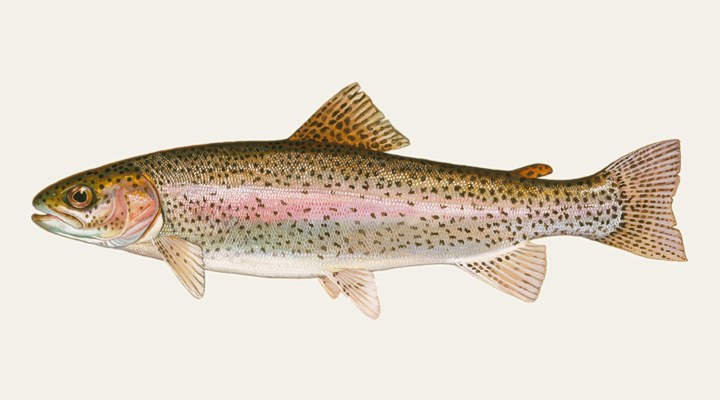
Rainbow troutExcellent

This band overlaps Vermont's 54-66°F stream preference: fish feed across riffles, runs and pocket water, and in lakes WDFW says spring and fall bring them near the surface.
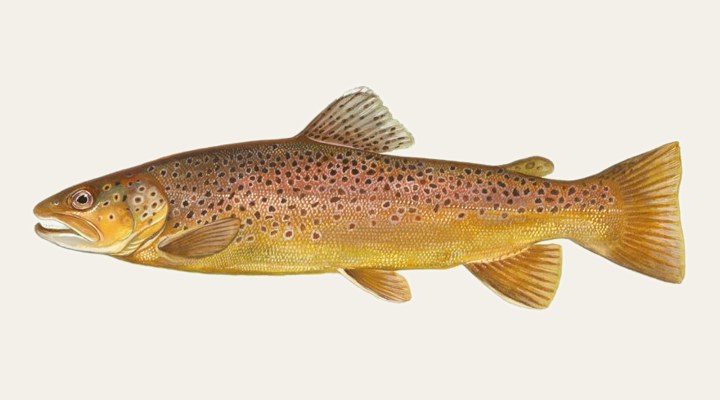
Brown troutExcellent

Close to Vermont's 53-66°F optimum, browns feed more freely; in fall, pre-spawn fish move toward tributaries and gravel, so fish streamers and keep off the redds.
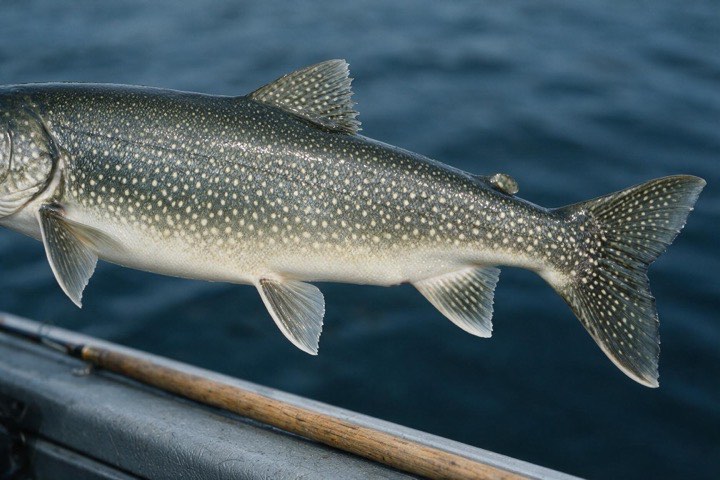
Lake troutGood

Spring and fall bring lakers into 10 to 30 feet of water (Michigan DNR), within reach of casters and shallow trollers; fall is also spawning time over rocky shoals.
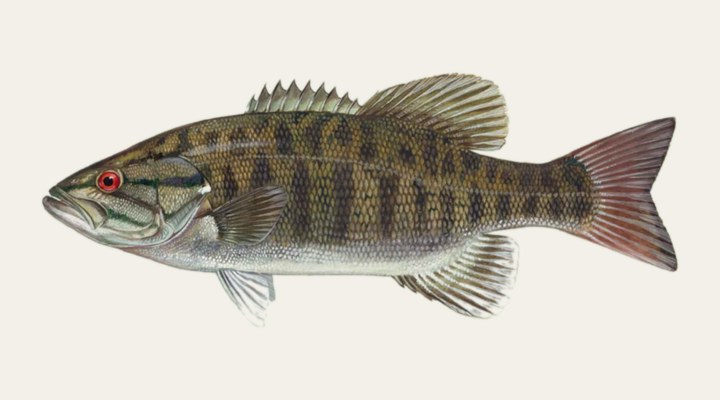
Smallmouth bassGood

Spring pre-spawn and fall: Iowa DNR notes the larger bass come up to shallow structure, where a shallow-running minnow bait or a spinnerbait just under the surface works.
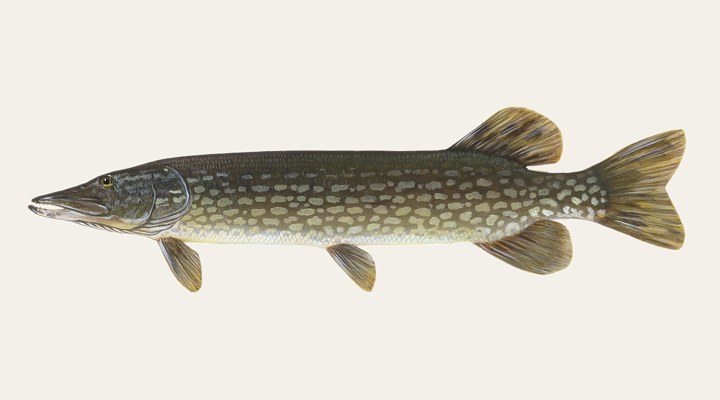
Northern pikeGood

The best band for pike: right after ice-out they move into flooded vegetated shallows to spawn, and they feed actively again as the water cools in fall.
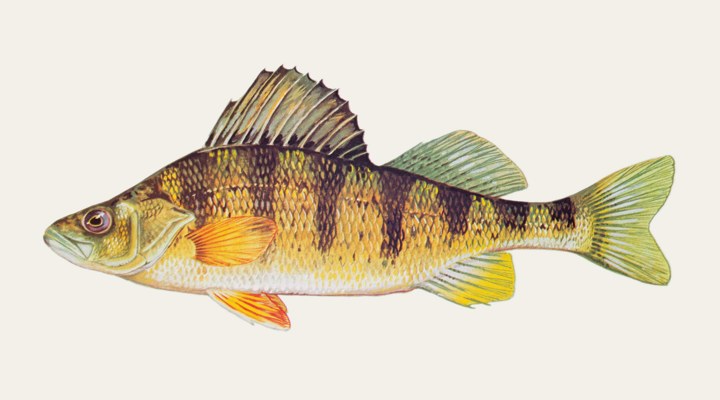
Yellow perchGood

Spring and fall: perch hold shallower and, by Michigan DNR's account, feed through the day, so shoreline weed edges, flats and the shallows near spawning areas are worth searching.
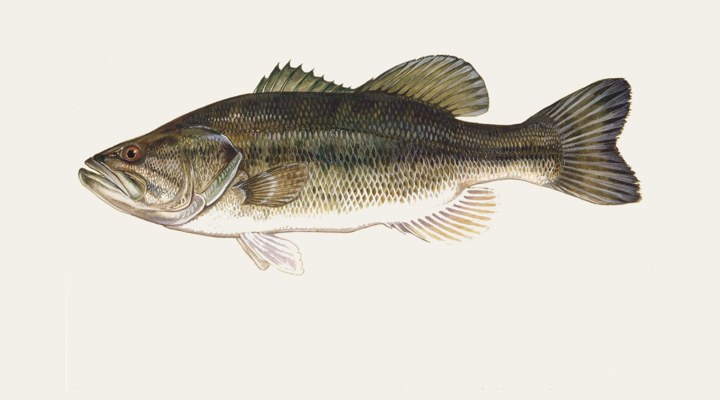
Largemouth bassGood

In spring, pre-spawn bass push shallow as the water climbs through the mid-50s; in fall they feed actively until the water cools into the low 50s, then drop back toward deeper structure.
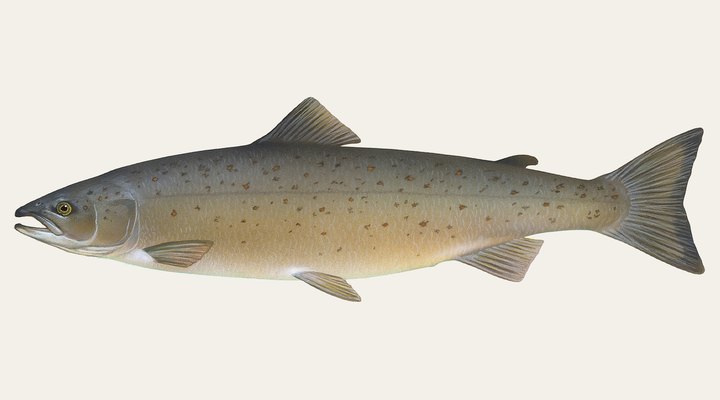
Landlocked salmonGood

Spring after ice-out and the fall cool-down are the surface seasons, with fish near shore and at stream mouths feeding on smelt: troll or cast streamers and smelt imitations.
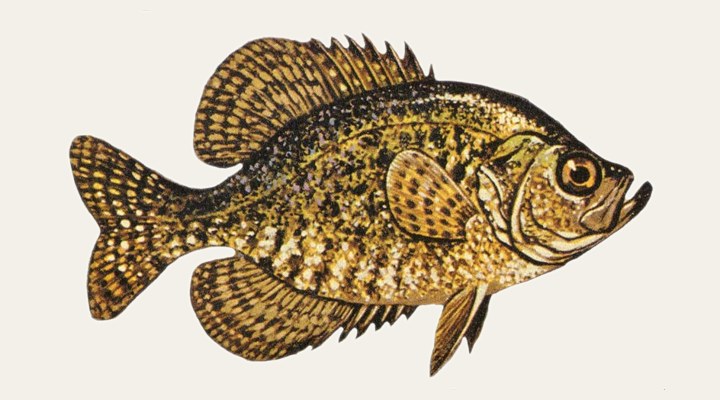
CrappieFair

Pre-spawn fish move toward shallow coves, and Iowa DNR points to wading as an effective way to reach them in spring; minnows or small jigs under a float.

Tomorrow: Similar at 61 F. The solunar majors shift about 50 minutes later.Next report: Sat, Oct 24, 6:30 AMHow this report is made →

Before you go

New York requires a fishing licence from age 16, from $25.00 for residents. What a New York licence costs and where to buy it →

Chasing lake trout here? Check the size and bag limits with DEC before you keep anything. The season dates for New York, read off the agency, are on the New York seasons page.

Water and weather

Live readings from Keuka Lake Outlet at Dresden.

Flow, last 30 days

USGS gauge 04232482.

20222320 cfs09/2310/0310/1310/23

Today’s flow against 61 years of October 23

At 20 cfs, the flow at USGS gauge 04232482 (Keuka Lake Outlet at Dresden) is at the 22nd percentile for the date: below normal. In half of the 61 years of approved record the daily mean on October 23 was below 49 cfs; the highest was 619 cfs and the lowest 9 cfs.

p10 14median 49p90 384

Percentiles of the daily mean flow for this date, from the USGS Water Data Statistics API for gauge 04232482; today’s reading is the latest instantaneous value. Classes follow the ones the USGS used on its WaterWatch maps (retired at the end of 2025): below 10th, much below normal; 10th–24th, below; 25th–75th, normal; 76th–90th, above; over 90th, much above.

Right now

Latest readings

Air temp57 F
High / Low57 / 36 F
WindNNE 6-7 mph
Pressure1027.8 hPa, rising
Sky / Rain20% cloud, 1%
Sunrise / Sunset07:31 / 18:13
MoonWaxing Gibbous, 91%
Water temp (seasonal)~55 F est.

Bite planner

Hour-by-hour bite forecast for today. Tap a bar to see why.

5 AM8 AM11 AM2 PM5 PM8 PMsunrisesunset

Which day to fish Keuka Lake this week

The best day on Keuka Lake this week looks like Saturday Oct 24, at 4 out of 5, against 2 today.

Best day this week: Saturday, Oct 24 — good at 4/5, falling pressure, usually the best window of a week.

Today, Oct 23 — Tough

Conditions favor short windows and patient fishing.

Solunar majors
9:42 AM-11:42 AM and 10:12 PM-12:12 AM
Minor period
4:04 AM-5:04 AM
Sun
07:31 to 18:13
Moon
Waxing Gibbous, 91% lit
Sky and wind
Overcast, 7 mph
Rain chance
1%

Forecast-based scores, less reliable further out: how the score is built.

Species guide

The species that matter on Keuka Lake: seasons, structure and how to fish each one. Today's ratings live in the report above.

Lake trout illustration

Lake trout

Spring and fall in shallow water, deep in summer, and through the ice in winter

Lake trout are slow-growing chars of large, deep, cold lakes, native from Alaska and northern Canada to New England and the Great Lakes, and introduced in many western lakes. Spring and fall bring lakers into 10 to 30 feet of water (Michigan DNR), within reach of casters and shallow trollers; fall is also spawning time over rocky shoals.

Smallmouth bass illustration

Smallmouth bass

Best: spring and fall, when bigger fish come shallow

A bronze-brown black bass of clear, cool streams and rocky lakes, with dark vertical bars instead of a side stripe. Michigan DNR says its southeastern coast, from Port Huron to Lake Erie, is known nationally for both the size and the number of its smallmouth. Spring pre-spawn and fall: Iowa DNR notes the larger bass come up to shallow structure, where a shallow-running minnow bait or a spinnerbait just under the surface works.

Northern pike illustration

Northern pike

Best: cool water, from ice-out through spring, in fall and under the ice

A long, duck-billed predator of weedy lakes, slow rivers and backwaters that ambushes fish from vegetation. Wisconsin DNR points out that, unlike most of the state's common game fish, pike do their best feeding in cool water. The best band for pike: right after ice-out they move into flooded vegetated shallows to spawn, and they feed actively again as the water cools in fall.

Yellow perch illustration

Yellow perch

Caught all year, including under the ice through winter

Yellow perch are schooling panfish of the Great Lakes and northern lakes, and Michigan DNR calls them the game fish most often caught in that state. Spring and fall: perch hold shallower and, by Michigan DNR's account, feed through the day, so shoreline weed edges, flats and the shallows near spawning areas are worth searching.

Largemouth bass illustration

Largemouth bass

Best: the spring pre-spawn and the fall feed

A warm-water sunfish of lakes, reservoirs, ponds and slow river backwaters that holds tight to cover: weeds, logs, rock ledges and docks. In Texas, TPWD surveys rank it "by far" the freshwater fish anglers most want to catch. In spring, pre-spawn bass push shallow as the water climbs through the mid-50s; in fall they feed actively until the water cools into the low 50s, then drop back toward deeper structure.

Crappie illustration

Crappie

Best: the spring spawn; summer around docks, brush and the thermocline

Two slab-sided panfish, the white crappie and the black crappie, that gather around submerged timber, brush piles, docks and bridge pilings in lakes, reservoirs and slow river backwaters. Texas Parks and Wildlife counts crappie as the state's most popular panfish. Pre-spawn fish move toward shallow coves, and Iowa DNR points to wading as an effective way to reach them in spring; minnows or small jigs under a float.

Rainbow trout illustration

Rainbow trout

Spring and fall in most lakes; rivers fish year-round while the water stays cool

A cold-water trout native to Pacific drainages from Alaska to Baja California, now stocked in most states and fished in rivers, tailwaters and lakes. This band overlaps Vermont's 54-66°F stream preference: fish feed across riffles, runs and pocket water, and in lakes WDFW says spring and fall bring them near the surface.

Brown trout illustration

Brown trout

Spring along Great Lakes shorelines; low light and overcast days in rivers; fall spawning runs

A European trout first stocked in the US in 1883 and now fished in rivers and lakes nationwide; it tolerates warmer water than other trout, and mature stream fish feed mostly at night. Close to Vermont's 53-66°F optimum, browns feed more freely; in fall, pre-spawn fish move toward tributaries and gravel, so fish streamers and keep off the redds.

Landlocked salmon illustration

Landlocked salmon

Spring and fall near the surface, deep in summer, and under the ice in winter

Landlocked salmon are Atlantic salmon that complete their whole life in fresh water, feeding mainly on rainbow smelt in cold lakes of Maine and the Northeast. Spring after ice-out and the fall cool-down are the surface seasons, with fish near shore and at stream mouths feeding on smelt: troll or cast streamers and smelt imitations.

When to come: the Keuka Lake calendar

Activity by species and month, and how the water warms through the year. Tap any cell.

Species activity by month

1 = slow, 5 = peak. Current month highlighted.

J
F
M
A
M
J
J
A
S
O
N
D
Lake trout
Smallmouth bass
Northern pike
Yellow perch
Largemouth bass
Crappie
Rainbow trout
Brown trout
Landlocked salmon
SlowPeak

Water temperature through the year

Typical surface temperature for this water type; today is around 55 F (estimated, not a reading).

304050607080JanMarMayJulSepNovOct, ~55 F now

Angler reports

Real reports from real anglers, reviewed before publishing. The water log below tracks each day automatically.

No angler reports yet this weekBe the first: your report helps every angler who checks Keuka Lake today, and we feature the best catch of the week.

Water log, last days

Auto-logged from live data
Thu, Oct 22

3/5 Fair. Fish the windows. A steady pattern: dawn and dusk carry the day. Rainbow trout led the card at excellent. High of 63 F, wind to 12 mph.

Wed, Oct 21

3/5 Fair. Fish the windows. A steady pattern: dawn and dusk carry the day. Rainbow trout led the card at excellent. High of 62 F, wind to 5 mph.

Tue, Oct 20

3/5 Fair. Fish the windows. A steady pattern: dawn and dusk carry the day. Rainbow trout led the card at excellent. High of 65 F, wind to 12 mph.

Where roughly, what depth, what bait. Skip anything you want to keep secret.
Only used if we need to ask you about your report. No mailing list, no spam.

Before you go

License

New York requires a valid fishing license for adults. Buy online from the state agency; one-day options exist for visitors.

Regulations

New York fishing license. Lake (DEC Finger Lakes special regulations): brown, rainbow and lake trout and Atlantic salmon all year, 15-inch minimum, 5 in combination with no more than 1 rainbow or 3 salmon; black bass June 15-March 15, 12 inches, 5 per day, and catch-and-release with artificial lures only March 16-June 14. Tributaries: trout and salmon April 1-Dec. 31, 15 inches, 3 in combination with no more than 1 rainbow; Guyanoga Creek up to the Route 54A bridge is closed to trout Jan. 1-March 31.

Access

DEC lists three launches: Keuka Lake State Park off Route 54A southwest of Penn Yan (concrete ramps, operated by State Parks), the Village of Penn Yan launch off Route 14A on the outlet, and a small DEC gravel ramp on Guyanoga Creek in Branchport. DEC launches are free; others may charge.

About this water

A Finger Lake of about 11,500 acres in Yates and Steuben counties, New York, draining east through Keuka Outlet to Seneca Lake; the USGS gauge is on the outlet at Dresden, not on the lake.

Fishing Keuka Lake: the full guide

The lake

DEC describes Keuka as Y-shaped, 17 miles southwest of Geneva, with Branchport at the tip of the northwest arm, Penn Yan at the northeast arm and Hammondsport at the south end. DEC's 2022 netting brief gives 11,548 acres, a maximum depth of 185 feet and an average of 101 feet; DEC's lake map and brochure give 11,585 and 11,584 acres.

Salmonids

DEC says lake trout are the most prominent of the lake's salmonids and are maintained entirely by natural reproduction. DEC says rainbows were introduced around the turn of the century and became self-sustaining, spawning mainly in Cold Brook at the south end and in Guyanoga (Sugar) Creek at Branchport. DEC began stocking landlocked salmon in 1976 and brown trout in 1980. Its 2022 survey found the largest lake trout weighed 4.3 pounds, against 9.3 pounds in 2019, and few alewives or smelt.

Warmwater fish

Smallmouth bass are the dominant warmwater species, according to DEC, with chain pickerel, largemouth, northern pike and panfish such as yellow perch, bluegill, pumpkinseed, rock bass and black crappie also present.

Common questions

How many trout can I keep on Keuka?

Five trout and salmon in combination, 15 inches minimum, with no more than one rainbow or three Atlantic salmon (DEC Finger Lakes regulations).

When can I keep bass on Keuka?

From June 15 to March 15 (12 inches, 5 per day); from March 16 to June 14 bass are catch-and-release with artificial lures only.

Where do Keuka rainbows spawn?

DEC says mostly in Cold Brook at the south end and in Guyanoga (Sugar) Creek at Branchport. Finger Lakes tributaries are closed January 1-March 31 except for listed sections.

Is fishing good at Keuka Lake right now?

Check the daily report at the top of this page: it is regenerated every morning from live data. Today's read: Slow. Work for them. Conditions favor short windows and patient fishing.

Nearby waters

Where this page's numbers come from

River and reservoir readings
USGS 04232482 — Keuka Lake Outlet at Dresden
Read from the USGS Water Data API (api.waterdata.usgs.gov). Latest value timestamped 2026-10-23 at 18:45 UTC.
Weather and pressure
Open-Meteo forecast model
Queried at 42.5500, -77.1435 in this water's own timezone. A model, not an observation.
Moon and solunar windows
Calculated on this site
Astronomical calculation from these coordinates and the date, not a third-party feed. How much weight it deserves.
Pages checked
The facts in the written guide were checked against these pages, from the agencies and operators that manage the water, on October 8, 2026. Anything we could not verify was taken out.
The written guide on this page
Pablo Ruiz Quintero
How this page was made. The daily report is computed by our scoring engine from live readings; nobody types it. The written text was drafted with AI assistance from the official pages listed above, and its facts were checked against those pages by automated verification on October 8, 2026; anything that could not be verified was taken out. Pablo Ruiz Quintero sets every guideline, the data-verification system and the minimum standards a page must meet to be published, reviews page structure and approves what goes live; the responsibility is his, and the AI carries out the work. We work this way because it is how one person can keep every page current with named sources. Errors are published in the verification log; the full policy is in the editorial policy.

Readings refresh on a 30-minute window. The full method, with every figure and its source, is on how our reports are made. Something wrong here? Tell us and it goes in the log with the date.